You have not yet added any article to your bookmarks!
Join 10k+ people to get notified about new posts, news and tips.
Do not worry we don't spam!
Post by : Saif Rahman
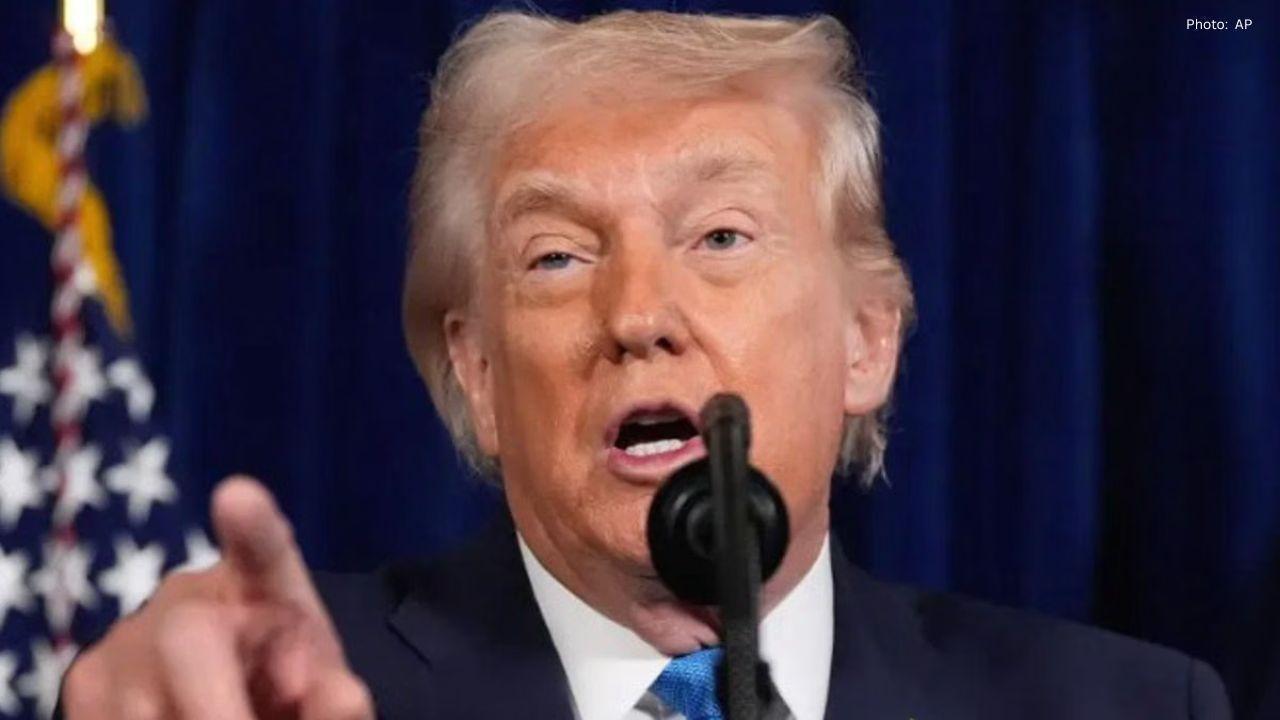
The unfolding scenario in Venezuela has the United States in a crucial position after a military operation led to the ousting of President Nicolás Maduro and his spouse. President Donald Trump declared that the U.S. would oversee the oil-rich nation, even if just temporarily, as Secretary of State Marco Rubio provided a more nuanced take, focusing on the reinforcement of an already established oil quarantine.
Speaking with reporters on Air Force One, Trump asserted, “we’re in charge” of Venezuela, vowing to “set the country back on its rightful path.” He further remarked that opposition leader María Corina Machado lacks the necessary support and respect to lead, indicating Washington's intent to directly manage Venezuelan affairs.
Shortly before, Rubio explained that the U.S. would not run Venezuelan day-to-day operations. Instead, the administration aims to sustain the oil embargo, utilizing it as leverage for reforms within the country's oil sector and to suppress drug trafficking. “This is the control the president refers to,” Rubio stated on CBS’ Face the Nation.
In Caracas, interim leader Delcy Rodríguez exhibited a conciliatory approach after the military action, inviting the U.S. to engage in a cooperative agenda aimed at mutual development and enduring peace, couched in terms of international law. This marks a significant departure from her previous denunciations of the U.S. intervention and calls for Maduro's release.
Despite Rodríguez's newfound diplomatic tone, Trump reaffirmed his expectation for complete access to Venezuelan resources, spanning critical oil operations and essential infrastructure. “Access to oil and other resources is necessary for us to help rebuild their country,” he commented.
The American operation did not come without losses; Cuban officials confirmed that 32 Cuban security personnel died during the event, a detail Trump acknowledged. Concurrently, Venezuela's Supreme Court designated Rodríguez as acting president.
As the situation evolves, the U.S. maintains its assertion of control, while Venezuela grapples with the repercussions of this abrupt regime shift. The U.S. strategy, merging military action with economic pressure through the oil quarantine, highlights an overarching aim to influence Venezuelan policy while avoiding extensive nation-building.
Experts warn that this operation raises significant issues concerning international law, sovereignty, and the stability of the region. While Trump’s administration envisions this mission as a vehicle for restoring order and curbing crime, the ultimate challenge lies in sustaining influence without inciting further conflict or prolonged instability in Venezuela.


PSG Coach Luis Enrique Urges Players to Step Outside Comfort Zone
PSG coach Luis Enrique says players must leave their comfort zone and keep improving as the club tar

China’s Tiangong Sets New 400m Record at Robot Olympics
China’s Tiangong robot sets a new 400m record at the Robot Olympics, beating a South African robot i

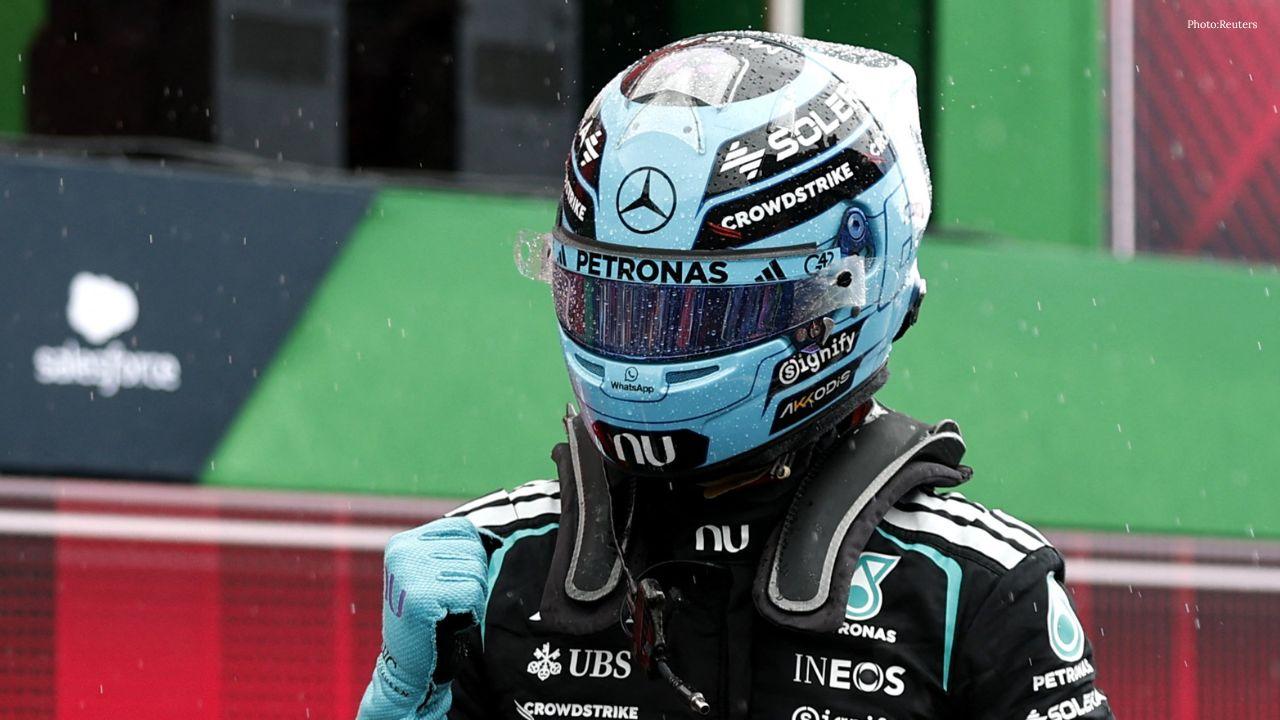
George Russell Wins Dutch GP Sprint, Boosts Mercedes Morale
George Russell wins the Dutch GP Sprint from pole as Mercedes teammate Kimi Antonelli extends his F1
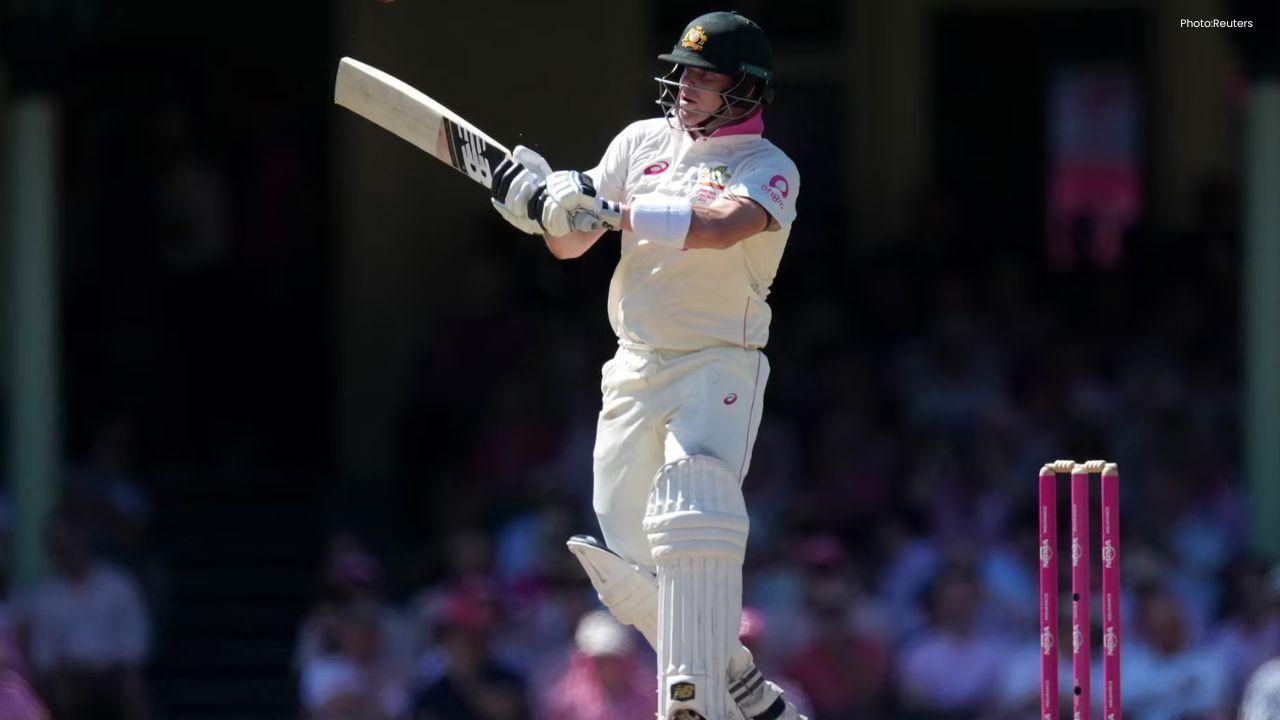
Australia 50/3 After Bangladesh Bowled Out for 64 in Second Test
Australia reached 50/3 after Bangladesh were bowled out for 64 in the second Test, with Mitchell Sta
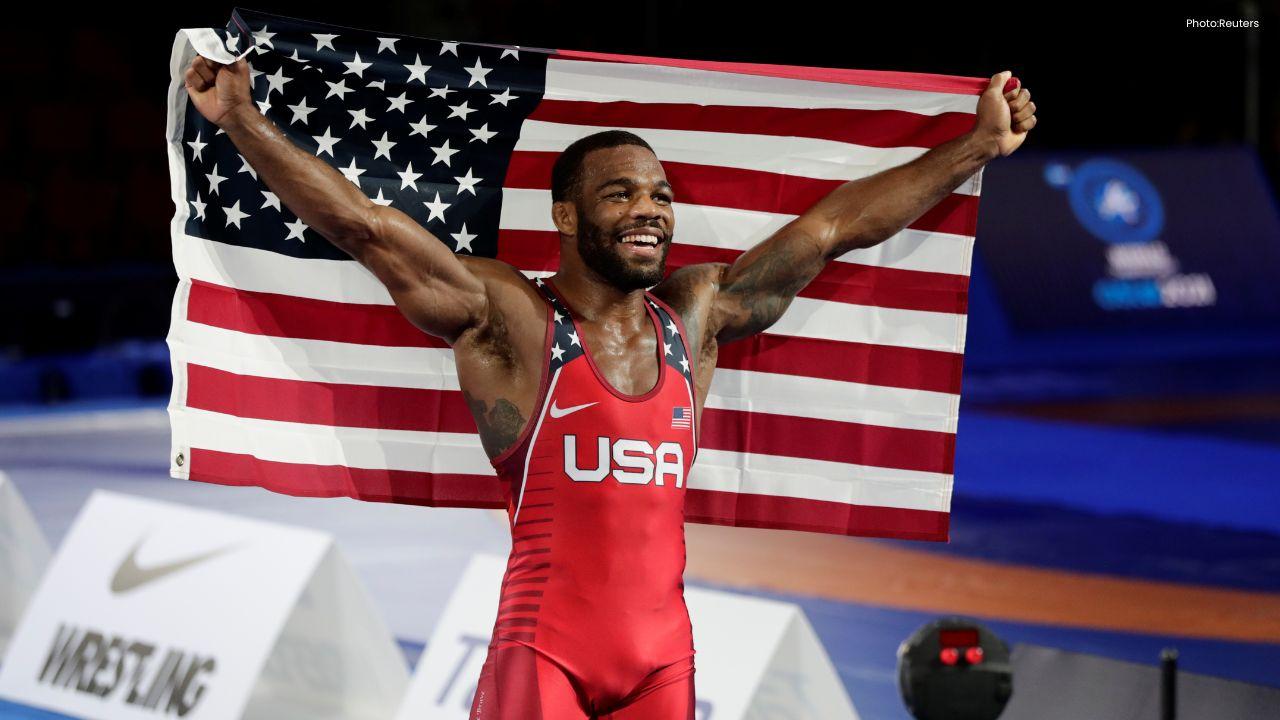
Jordan Burroughs Returns to Wrestling with 2028 Olympic Dream
Jordan Burroughs returns to wrestling with Real American Freestyle as the Olympic champion eyes a po
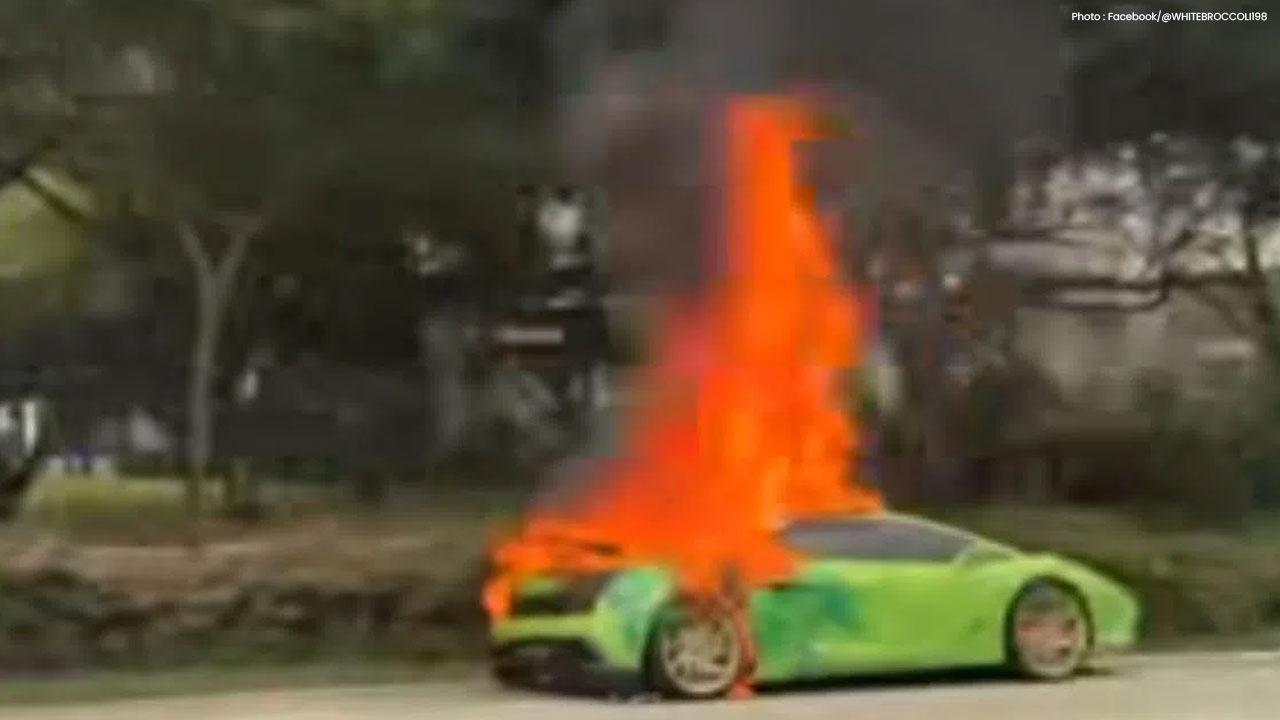
Lamborghini Catches Fire on Singapore's ECP, Causing Heavy Traffic
A Lamborghini caught fire on Singapore's ECP, causing heavy traffic and bus delays. No injuries were