You have not yet added any article to your bookmarks!
Join 10k+ people to get notified about new posts, news and tips.
Do not worry we don't spam!

Post by : Rohit Dhiman
India is set to introduce a revised framework for certain digital payments from October 15, 2026, changing how some higher-value transactions made through the Unified Payments Interface are handled. The new framework is focused on payments made to merchants rather than transfers between individuals. Under the revised arrangement, selected merchant transactions above ₹2,000 will attract a Merchant Discount Rate. The charge will be paid within the merchant payment ecosystem, while customers are not supposed to face an additional fee for making the payment. The change is part of a wider effort to create a more sustainable financial structure for the country’s rapidly expanding digital payment network. The authorities have said that the revised arrangement is designed to support the infrastructure, security and services required to operate the payment system at a large scale.
From October 15, a UPI MDR of 0.4% will apply to specified person-to-merchant transactions above ₹2,000. The charge will generally be calculated on the transaction value and will be capped at ₹300 for transactions of ₹75,000 or more. This does not mean that every UPI payment above ₹2,000 will automatically carry the same charge. The framework includes different categories and exemptions, meaning the nature of the merchant and the type of transaction will determine the applicable rate. The new arrangement is therefore different from a blanket fee on all UPI payments. Everyday low-value payments and person-to-person transfers continue to receive protection under the revised structure.
One of the most important aspects of the new framework is that the MDR is intended to remain a merchant-side cost. The government has directed the payment ecosystem to ensure that merchants do not pass the charge on to customers. Banks and payment service providers have also been told to monitor the implementation so that customers are not asked to pay an additional amount simply because they choose UPI. This means that the introduction of the new fee does not amount to a direct consumer charge for using UPI. The distinction is important because MDR is a fee associated with accepting a digital payment. Under the new arrangement, the cost is placed within the merchant ecosystem rather than being presented as a separate charge to the person making the payment.
For ordinary users, one of the main points is that UPI payments of up to ₹2,000 will continue to remain free under the revised structure. This covers a large portion of everyday digital transactions, such as payments at shops, restaurants, local businesses and other merchant establishments where the transaction remains below the specified threshold. Person-to-person payments will also remain free, regardless of the amount transferred. This means that sending money to family members, friends or other individuals will not attract the new MDR. As a result, the new arrangement is specifically targeted at selected higher-value merchant payments rather than all UPI activity.
The framework also contains special provisions for certain categories of services. Transactions involving areas such as railways, fuel, telecom, insurance, utilities and some other specified essential services can attract a flat ₹5 charge instead of the standard percentage-based rate when the payment exceeds ₹2,000. This category-based structure means users should not assume that every payment above ₹2,000 will result in a 0.4% MDR. The applicable rate depends on how the transaction is classified under the revised framework.
Small businesses have also been given exemptions under the new arrangement. Merchants with relatively low monthly UPI QR collections can remain outside the new MDR structure, helping protect smaller retailers and businesses that rely heavily on digital payments for routine transactions. The framework also provides protection for UPI QR acceptance in rural and semi-urban areas, with the aim of encouraging digital payment adoption among smaller merchants. This is significant because small retailers, roadside businesses and local service providers increasingly depend on QR-based payments for everyday transactions.
For an eligible merchant transaction above ₹2,000, the standard MDR rate is 0.4%. For example, a ₹5,000 eligible transaction would result in an MDR of ₹20, while a ₹50,000 transaction would generate ₹200 under the standard calculation. Once the transaction reaches ₹75,000, the charge reaches the ₹300 ceiling and does not increase further under the standard rate. These calculations relate to the merchant-side MDR and are not intended to become an additional payment collected from the customer.
The new framework does not introduce MDR on person-to-person transfers. If one individual sends money to another individual through UPI, the transfer remains outside the new merchant MDR structure. This includes routine transfers between friends and family members. This distinction between person-to-person and person-to-merchant payments is central to understanding the new UPI charges. The government has also clarified that the new arrangement is not designed to impose a general fee on people using UPI to transfer money.
The revised system comes as UPI has become one of the world's largest digital payment platforms. The authorities and industry stakeholders have argued that the payment ecosystem requires continuous investment in infrastructure, cybersecurity, innovation, customer support and transaction processing capacity. The Reserve Bank of India has backed the move, saying the revised MDR structure can help support the long-term sustainability of the digital payment ecosystem. The objective is therefore not simply to introduce a new payment charge but to create a revenue structure around certain merchant transactions while keeping most everyday UPI usage free.
For most people, the immediate impact is expected to be limited because low-value payments and person-to-person transfers remain outside the new MDR. Users making larger payments to certain merchants may still see no separate charge on their side because the MDR is supposed to be absorbed within the merchant payment ecosystem. The important change is that merchants and payment providers will operate under a different cost structure from October 15. The government has also indicated that it will monitor implementation to prevent merchants from transferring the MDR directly to customers.
The timing of the change is significant because UPI has expanded rapidly across India. Millions of consumers now use QR codes and mobile payment applications for purchases ranging from small daily expenses to larger commercial transactions. The new framework attempts to preserve free access for routine payments while introducing charges in selected higher-value merchant categories. According to Reuters, UPI processed about 24 billion transactions worth roughly $311 billion in August 2026 alone, highlighting the enormous scale of the platform. The revised system therefore affects a relatively specific segment of UPI payments rather than ending free digital payments altogether.
The new MDR framework has also triggered a political debate over the reasons behind the decision. The Finance Ministry has rejected allegations that pressure from the United States influenced the introduction of the MDR. It said the latest NPCI framework does not give foreign credit cards an advantage over RuPay and pointed to existing rules governing credit transactions through UPI. These claims and counterclaims form part of the broader discussion surrounding the new payment framework, but the operational rules themselves are scheduled to take effect on October 15.
Businesses accepting UPI should understand which transactions fall under the revised framework and which remain exempt. Merchants will need to account for the applicable MDR as part of their payment acceptance costs. At the same time, they are not supposed to add the MDR as a separate fee to customers using UPI. For small businesses, the exemption provisions may mean that the new framework has little or no effect, depending on their transaction profile and monthly QR collections. Larger merchants handling higher-value payments are more likely to encounter the revised MDR structure.
0
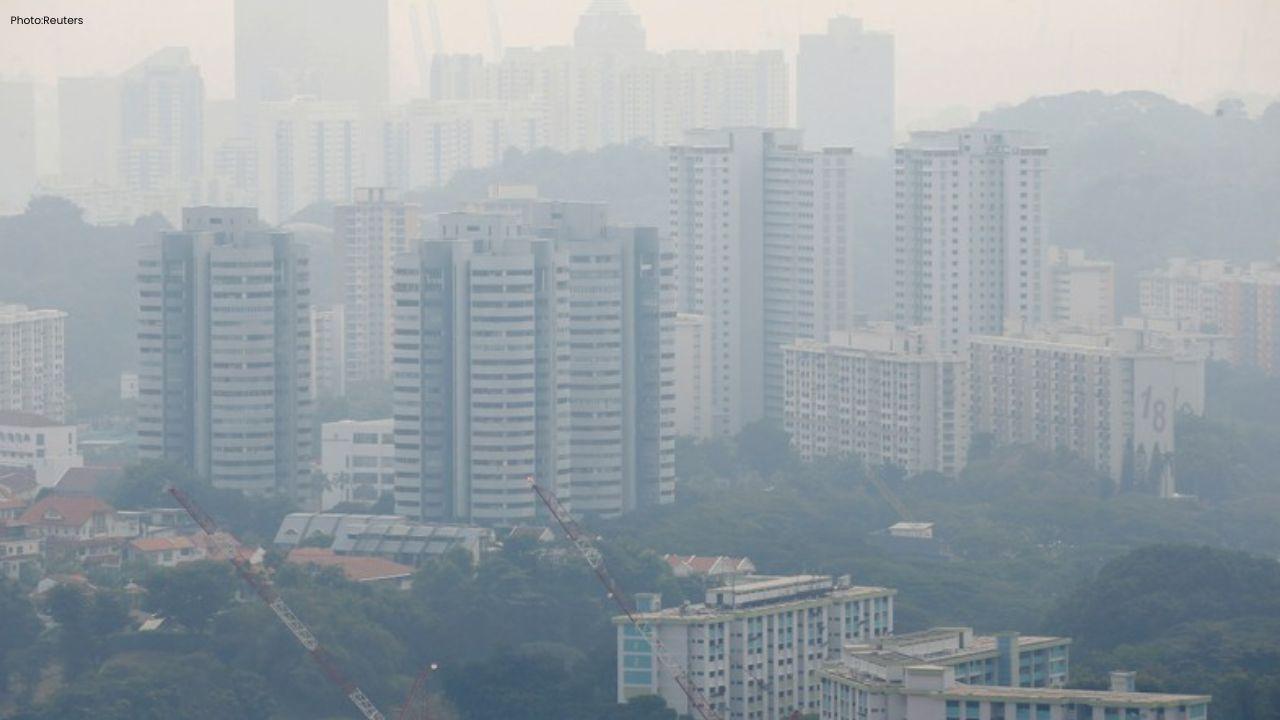
Air Quality Back At Unhealthy Levels In Central Singapore
Singapore haze returns as central PSI crosses 100, with smoke from fires in Sumatra and Kalimantan d
Don’t Lay Off Staff To Cut Costs, Union Urges AirAsia
Nufam urges AirAsia to protect workers as rising jet fuel costs and financial pressure raise concern