You have not yet added any article to your bookmarks!
Join 10k+ people to get notified about new posts, news and tips.
Do not worry we don't spam!
Post by : Rohit Dhiman
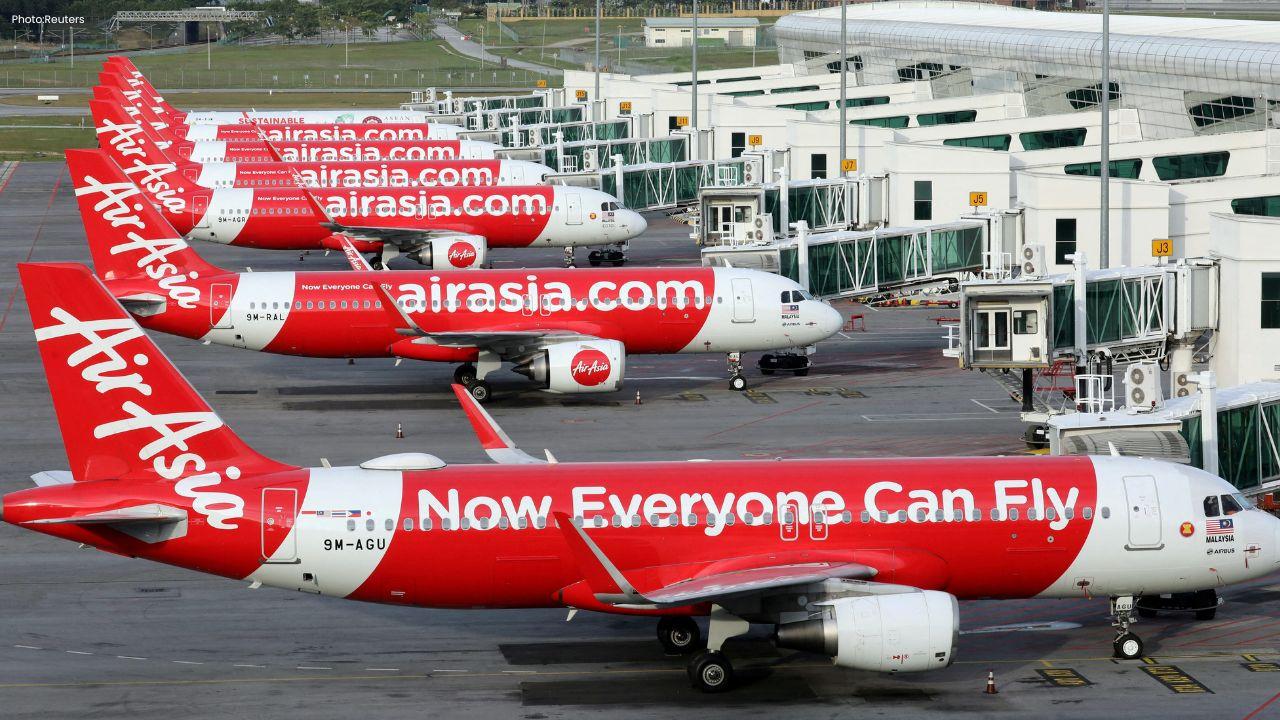
AirAsia Group Bhd has taken an unusual step by selling several newly delivered aircraft, highlighting the growing financial pressure facing the Malaysian low-cost airline. The carrier has disposed of six aircraft delivered since the beginning of last year, including two planes sold in July. The move comes at a time when the airline is dealing with higher fuel expenses, increasing operating costs and pressure on its available cash. The aircraft involved are Airbus A321neo jets, part of a newer generation of fuel-efficient planes that AirAsia has been adding to its fleet as it works to modernise its operations. According to aircraft transaction data, AirAsia received 10 new Airbus A321neos from the manufacturer since the start of 2025. Six of those aircraft were subsequently sold to aircraft lessor BBAM LLC. The planes were later purchased or leased by Sun PhuQuoc Airways, a Vietnamese airline backed by Sun Group.
Airlines commonly use sale-and-leaseback arrangements to raise cash from newly delivered aircraft. Under such transactions, an airline sells an aircraft to a leasing company and then continues operating it by leasing it back. However, the recent AirAsia aircraft sale activity is different because the aircraft were sold without entering regular service with AirAsia under a conventional leaseback arrangement. Aviation capital markets analyst Andrew Light described the situation as unusual, particularly when a newly delivered aircraft carrying AirAsia branding does not enter service for the airline. Selling an aircraft soon after delivery can provide an airline with an immediate injection of cash. For a carrier facing liquidity pressure, such a transaction can help strengthen short-term finances and meet financial obligations.
The aircraft sales come as AirAsia financial crisis concerns have increased amid a difficult operating environment. The airline has been hit by a sharp rise in fuel expenses following the outbreak of conflict in the Middle East. Higher oil prices have pushed up the cost of aviation fuel, creating additional pressure for airlines around the world. Low-cost carriers can face particular challenges during periods of high fuel prices because their passengers are generally more sensitive to ticket prices. Raising fares significantly to offset higher fuel bills can therefore be difficult. AirAsia also does not hedge its fuel purchases, meaning fluctuations in oil and jet fuel prices can have a direct impact on its operating expenses.
The airline’s fuel expenses increased by 58% during the second quarter, contributing to its biggest quarterly loss in four years. The sharp increase in fuel spending has added to other financial pressures affecting the carrier and comes as AirAsia continues its efforts to modernise its fleet. The new Airbus A321neo aircraft are designed to provide improved fuel efficiency compared with older aircraft. However, selling some of these newly delivered planes indicates the company is also having to balance its longer-term fleet plans against immediate financial requirements. The development has therefore created an unusual situation in which an airline seeking newer and more efficient aircraft is simultaneously selling some of its newest planes.
AirAsia had RM954 million in cash and cash equivalents at the end of June. That level was among the lowest cash balances recorded by airlines tracked by Bloomberg globally. The company’s cash position has become increasingly important as it manages aircraft-related payments, supplier obligations, fuel expenses and other operating costs. Earlier reports indicated that the airline had sought payment deferrals from suppliers involving several aircraft. The carrier has also been reported to be exploring ways to use collateral connected with private-credit financing to meet obligations to aircraft lessors. These developments have added to concerns surrounding the airline’s liquidity position.
The six aircraft were sold to BBAM LLC, an aircraft leasing company. Data shows that the planes were subsequently purchased or leased by Sun PhuQuoc Airways in Vietnam. The transactions demonstrate how aircraft can move between airlines, leasing companies and new carriers even shortly after delivery. For AirAsia, however, the timing of the sales has drawn attention because the airline is simultaneously working to modernise its AirAsia fleet and deal with higher operating expenses. The A321neo is considered an important aircraft for airlines seeking greater efficiency on medium-haul routes. AirAsia’s decision to sell some of its newly delivered aircraft therefore represents a significant change from its earlier fleet expansion strategy.
Read Also: Police Hunt Three Men Who Fled After Fatal Bentong Crash
The airline industry has been dealing with several challenges, including fuel-price volatility, geopolitical uncertainty, aircraft financing costs and changing passenger demand. For AirAsia, the impact of higher AirAsia fuel costs has been particularly significant because fuel represents one of the largest expenses for an airline. The company’s decision to sell newly delivered aircraft appears to provide additional liquidity at a time when maintaining cash reserves has become a major priority. AirAsia and its management did not respond to repeated requests for comment regarding the aircraft transactions. BBAM, Sun PhuQuoc Airways and parent company Sun Group also did not provide comments on the reported deals.
The airline’s financial difficulties have also been reflected in its share performance. AirAsia shares have fallen sharply since the outbreak of the Iran conflict at the end of February, making the stock the weakest performer among the 58 companies included in the Bloomberg World Airlines Index during the period cited in the report. The combination of weaker financial performance, higher fuel expenses and pressure on liquidity has placed increased focus on the company’s ability to manage its fleet and cash position. The latest aircraft sales could provide short-term financial relief, but they also highlight the difficult balance AirAsia faces between fleet modernisation and immediate funding requirements.






iPhone 18 Pro and Pro Max Go on Sale in India
iPhone 18 Pro and Pro Max sales begin in India with new camera, A20 Pro chip, AI features and strong

India, Pakistan Summon Diplomats After Naval Vessels Collide
India and Pakistan summon each other's diplomats after naval vessels collide in the Arabian Sea, wit

Indonesia Rescuers Plan to Turn Capsized Ship Upright as 129 Remain Missing
Indonesian rescuers plan to turn the capsized Virgo Transport 8 upright as strong currents hamper th

Avinash Sable Overcomes Hurdle Fear Ahead of Asian Games Title Defence
Avinash Sable returns after injury as he targets the Asian Games title, with Asian Games 2026 and In

Grab to Expand Autonomous Vehicle Fleet from 10 to 50 in Singapore
Grab will expand its autonomous vehicle fleet from 10 to 50 in Singapore, with new AV services plann

Judge Refuses to Record RM1.7mil Road Accident Settlement
Malaysia High Court says court approval is needed before a RM1.7 million road accident settlement in