You have not yet added any article to your bookmarks!
Join 10k+ people to get notified about new posts, news and tips.
Do not worry we don't spam!
Post by : Samjeet Ariff
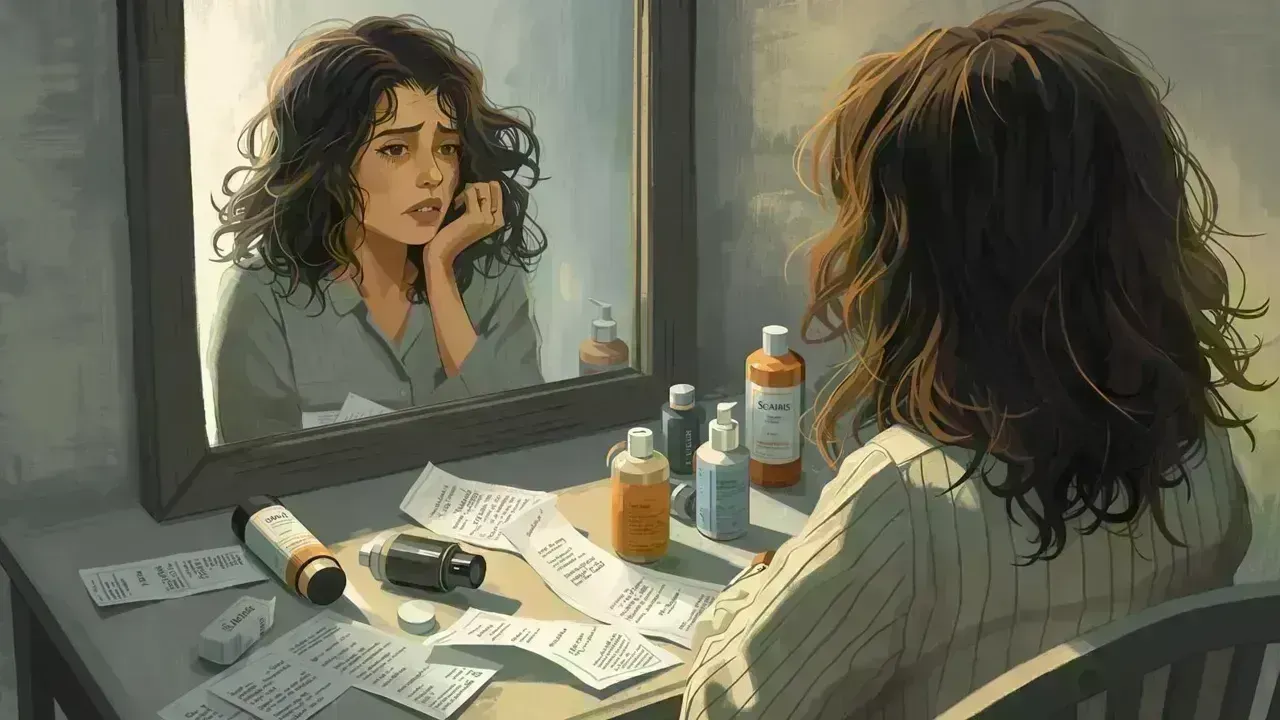
Have you been diligently applying oils, serums, and hair treatments, yet hair loss persists? The core issue may not be your choice of products. In 2026, many face treatment-resistant hair fall, where topical products yield minimal results.
This condition is especially disheartening as it gives the impression that no solution exists. However, the underlying problem often lies within the body, beneath the scalp, or tied to lifestyle habits. While oils and serums can nurture hair, they cannot rectify internal issues.
This guide delves into why hair loss can sometimes overlook external treatments, what you should evaluate first, and how to address the root causes before investing further in products.
Hair oils and serums act on a surface level.
Enhance scalp moisture
Minimize dryness and breakage
Add luster and smoothness
Temporarily boost blood circulation through massage
Treat nutrient deficiencies
Stabilize hormone levels
Mitigate chronic stress effects
Cure digestive absorption issues
Reverse internal inflammation
If hair fall persists despite optimum scalp care, the cause is most often systemic, not merely cosmetic.
Before attempting solutions for hair loss, you need to identify the specific type of loss you're facing.
This is a prevalent trigger for sudden hair loss today. Stress, illness, extreme dieting, or hormonal fluctuations can provoke hair to enter the shedding phase.
Typical symptoms include:
Sudden, excessive shedding
Roots shedding hair
Overall thinning of hair
Often initiates 2–3 months post-trigger
Oils alone cannot rectify this.
Inadequate intake of critical nutrients can weaken your hair.
Indications of this include:
Thinning hair with sluggish regrowth
Brittle hair strands
Heightened breakage
Feelings of fatigue or weakness accompanying hair loss
Hormonal imbalances significantly impact hair follicle health.
Key triggers include:
Thyroid issues
PCOS
Insulin resistance
Postpartum changes
Topical treatments typically have limited success with this.
Patterned hair loss generally requires medical intervention. Using oils may enhance scalp health but witnessing progression requires more.
Stress tops the list of reasons why hair fall is unresponsive to oils and serums.
Increases cortisol levels
Reduces blood flow to the scalp
Induces premature shedding in hair
Slows the growth of new hair
Even premier hair products falter when cortisol levels are high.
Hair shedding often begins weeks or months after stress, leading many to overlook this connection.
A common belief is that one’s diet is “normal,” yet it may lack vital nutrients for hair support.
Hair consists of keratin, which is a protein. A low protein diet results in:
Thinning hair
Delayed regrowth
Increased hair fall
Vegetarian or haphazard eating styles pose higher risks.
Such deficiencies impact oxygen transportation and energy to follicles.
Symptoms might comprise:
Substantial shedding
Fatigue or dizziness
Pale skin
Hair oils cannot resolve these deficiencies.
Even a nutritious diet is ineffective if:
Gut health is compromised
Slow digestion occurs
Inconsistent meal timings
This explains why some supplements don’t yield results either.
Frequent sugar fluctuations may negatively influence hair growth.
Increases inflammatory response
Disrupts hormonal balance
Weakens hair roots
Regularly skipping meals worsens hair fall.
Nighttime is essential for hair repair.
Decreased melatonin production
Elevated stress hormones
Poor overnight restoration
Late-night screen time is detrimental to hair health.
The modern lifestyle results in constant stress on the nervous system.
Increased mental stress
Decreased physical activity
Poor posture impacting scalp circulation
Interrupted sleep patterns
Oils cannot mitigate these issues.
Some scalp issues necessitate medical assessment or internal remedy.
Chronic dandruff or fungal concerns
Follicular inflammation
Excess sebum blocking follicles
Serums might enhance appearance but will not tackle the root issue.
Relying on a multitude of products can exacerbate hair problems.
Greasy scalp
Itching or irritation
Heightened shedding post-application
Buildup on the scalp
Healthy hair requires balance over excessive treatment.
Iron levels
Vitamin B12
Vitamin D
Thyroid profile
Correction of deficiencies may yield noticeable improvements.
Everyday stressors hold greater significance than sporadic stress.
Hair thrives on consistency over weeks, rather than isolated healthy meals.
Quality sleep is vital for hair regrowth.
Balanced meals rich in protein
Ensuring adequate hydration
Limiting sugar intake
Enhancing gut health
Light walking
Breathwork
Taking breaks from digital devices
Lowering cortisol can significantly benefit hair retention.
Gentle cleansing shampoo
Minimal heat exposure
Light oil application only if necessary
More products don’t guarantee better outcomes.
Gentle massages
Consistent physical activity
Avoiding tight hairstyles
Good circulation nourishes hair follicles.
If:
Hair loss persists beyond 3-4 months
There are patches of hair loss
Visible reduction in hair density
Hair shedding escalates quickly
Early intervention can help prevent long-term follicle damage.
Typically, hair responds more quickly than many bodily systems. When disruptions occur—whether from stress, diet, or hormones—your hair often signals it first. Neglecting these indicators while focusing solely on topical remedies can delay genuine recovery.
If your hair loss isn’t responding to oils or serums, this is a crucial hint. The answer isn’t merely finding another product—it's about discovering what your body truly needs or is struggling with.
Enhancing internal health lays the groundwork for effective external treatments.
Healthy hair always begins from within.
This article serves only as a general information source and should not be taken as professional medical or dermatological advice. Hair loss causes can vary widely due to individual health conditions, genetics, and lifestyle choices. For persistent or severe hair issues, consult a qualified health care provider or hair expert for proper diagnosis and treatment.










IMF Says AI Investment Supports Global Growth Despite Energy Shock
IMF says AI investment is supporting global growth near 3%, with Asian economies benefiting from ris

Will O'Rourke Ruled Out of New Zealand's India Series
New Zealand fast bowler Will O'Rourke will miss the India series with hamstring and calf injuries as

AI Companies Expected to Drive Most US Earnings Growth in Q3
AI companies are expected to drive US third-quarter earnings growth as investors assess tech profits

Money Market Funds See Record Inflows as Global Bond Selloff Intensifies
Global money market funds attract $153.81 billion as bond yields rise, inflation fears persist and i

Meta Bans TikTok Ads on Facebook and Instagram in Seven Countries
Meta has banned TikTok ads in seven countries, escalating competition over social media users, adver

ASML and Zeiss Target Next-Generation Chip Technology in 10 Years
ASML and Carl Zeiss are developing Hyper NA technology to print smaller chip circuits, with the next