You have not yet added any article to your bookmarks!
Join 10k+ people to get notified about new posts, news and tips.
Do not worry we don't spam!
Post by : Anis Farhan
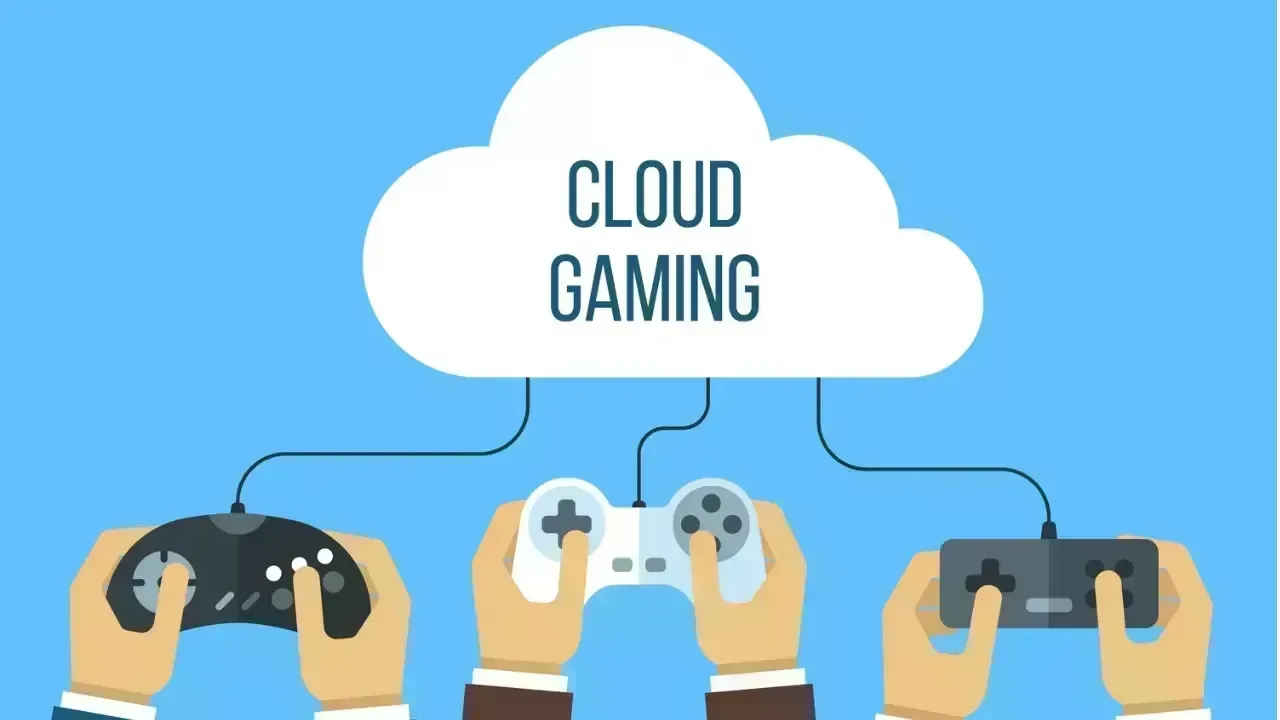
For decades, gaming revolved around physical hardware—consoles, discs, GPUs, and increasingly powerful processors. But the era of cloud gaming is rewriting those rules. Instead of depending on expensive consoles or high-end PCs, players now stream games directly from cloud servers, much like watching movies on OTT platforms.
This shift is not just a temporary technological trend; it represents a full-scale transformation in how games are played, purchased, and delivered. Analysts predict that by 2027, cloud gaming revenues could surpass traditional console sales for the first time in history. The reason is simple: accessibility, affordability, and convenience are winning over the modern gamer.
As gaming evolves into a service-driven ecosystem rather than a hardware-driven one, every major player—from tech giants to gaming studios—is betting big on cloud platforms. Understanding why this shift is accelerating requires decoding the technological, economic, and societal changes underway.
Cloud gaming works by running high-end games on remote servers. Instead of processing graphics on a console or PC, the server does the heavy lifting and streams gameplay to the user’s device.
This means players can experience:
AAA titles
High-resolution graphics
Ray tracing
Smooth frame rates
All without needing an expensive gaming machine.
Cloud gaming runs on:
Smartphones
Smart TVs
Laptops
Tablets
Low-end PCs
Dedicated handheld devices
Browser-based interfaces
This multi-device flexibility is one of the main reasons cloud gaming is poised to dominate.
Console prices have steadily increased over generations. Additionally:
New GPUs cost as much as entire gaming systems.
Hardware shortages have made consoles difficult to purchase.
Inflation has made gaming an expensive hobby for many.
Cloud gaming eliminates these costs, offering a low-entry barrier for millions.
Players are shifting toward subscription models similar to OTT platforms. Cloud gaming services offer:
Large game libraries
Cross-device access
Instant updates
Zero installation time
This fundamentally changes purchasing behaviours, reducing reliance on one-time console purchases.
By 2027:
5G penetration is expected to be global
Broadband costs will continue to drop
Latency levels will reduce further
Edge computing will bring servers closer to users
These changes eliminate lag—one of cloud gaming’s biggest early challenges.
Companies across the world are building massive cloud ecosystems. Their involvement fast-tracks innovation, infrastructure, research, and interoperability.
Gen Z and Gen Alpha gamers want:
On-the-go gaming
No installation delays
No storage issues
Easy device switching
Cloud gaming is the natural answer to these demands.
Consoles rely on upgrading every 5–7 years. But cloud platforms upgrade continuously in the background, with no additional cost to the gamer.
This creates a significant competitive disadvantage for consoles.
Cloud gaming companies spend on servers—not physical units. Consoles, however, face:
Chip shortages
Manufacturing delays
Shipping costs
Regional pricing issues
Cloud models bypass these barriers entirely.
Consoles require:
Purchasing hardware
Buying physical or digital games
Downloads and updates
Storage expansion
Cloud gaming requires:
A device
A subscription
An internet connection
The friction-free nature of cloud gaming is winning the masses.
Edge data centres reduce latency dramatically by processing data closer to users.
This improves:
Response time
Visual quality
Stability during gameplay
AI is now used to:
Pre-render frames
Predict user input
Reduce bandwidth usage
Stream higher-quality visuals with less data
These capabilities are crucial for low-latency cloud gaming.
Just like OTT platforms adjust video quality based on internet speed, cloud gaming adapts gameplay resolution dynamically.
This ensures a smooth experience even when networks fluctuate.
5G delivers:
Ultra-low latency
High-speed connections
Stable mobile networks
Mobile gaming is already the world’s largest gaming segment. Cloud gaming only amplifies this dominance.
Developers can build high-end, resource-heavy games without worrying about:
Device compatibility
Storage limitations
Performance on low-end systems
Games updated on servers reach all users instantly without downloads.
Cloud gaming allows developers to reach:
Emerging markets
Non-console users
Mobile-first gamers
Cloud-based systems are harder to crack, protecting developer revenue.
Buying a console costs a significant upfront payment. Cloud gaming subscriptions start at a fraction of that price.
Gamers no longer need to buy:
Upgraded consoles
Storage devices
Performance-enhancing accessories
Players can access their games anywhere, anytime—no ecosystem lock-in.
Cloud platforms offer shared plans, increasing value per user.
Cloud gaming is attracting millions of casual users who:
Do not want to buy consoles
Prefer short gaming sessions
Use smartphones as primary devices
Markets like:
India
Southeast Asia
Africa
South America
are adopting cloud gaming fast because console penetration is low but mobile internet is exploding.
Cloud gaming suits modern consumption habits—play briefly, switch anytime, no commitment.
Though improving, some locations still face connection issues.
Gamers fear losing access if services shut down.
Cloud platforms still lack certain exclusives that console gamers cherish.
High-quality streaming uses more data, which could be expensive in certain regions.
Despite these challenges, cloud gaming is progressing faster than initial predictions did.
By 2027:
5G will cover over half the world
Most smartphones will support cloud gaming
Network stability will be significantly improved
Experts predict slowing console sales growth due to:
High costs
Limited inventory
Competing subscription models
Cloud gaming revenues are expected to:
Double year-on-year in emerging markets
Overtake console software revenue
Attract major developer partnerships
Gamers will prefer flexibility over hardware limitations.
Several console manufacturers are working on:
Cloud-native devices
Hybrid streaming consoles
Subscription-first ecosystems
Game studios and brands are moving toward:
Cloud-based game libraries
All-access subscriptions
Cross-platform accounts
Exclusive games will no longer be tied to hardware, but to service subscriptions.
Cloud gaming is moving the world toward a future where:
Hardware is optional
Game access is instant
Cross-device sync is seamless
Gaming becomes universal and inclusive
Players will prioritize experience over equipment, and the industry will prioritize accessibility over exclusivity.
All signs point toward cloud gaming overtaking console sales by 2027:
Economic advantages
Technological innovations
Changing gamer behaviour
Massive corporate investment
Platform-neutral access
Subscription-driven consumption
While consoles will not disappear, their dominance will diminish. Cloud gaming is not the future—it is the present accelerating toward global mainstream adoption.
Gamers want convenience. Developers want reach. Companies want recurring revenue. Cloud gaming offers all three. The shift is already unstoppable.
This article is an editorial analysis based on industry trends, technological development projections and market expectations. Actual timelines and growth metrics may vary depending on infrastructure, policies and global market conditions.










Beauden Barrett Opens Up About Mental Struggles During All Blacks Exile
Beauden Barrett discusses his confidence struggles after missing six tests, his return against Austr

IMF Says AI Investment Supports Global Growth Despite Energy Shock
IMF says AI investment is supporting global growth near 3%, with Asian economies benefiting from ris

Will O'Rourke Ruled Out of New Zealand's India Series
New Zealand fast bowler Will O'Rourke will miss the India series with hamstring and calf injuries as

AI Companies Expected to Drive Most US Earnings Growth in Q3
AI companies are expected to drive US third-quarter earnings growth as investors assess tech profits

Money Market Funds See Record Inflows as Global Bond Selloff Intensifies
Global money market funds attract $153.81 billion as bond yields rise, inflation fears persist and i
Meta Bans TikTok Ads on Facebook and Instagram in Seven Countries
Meta has banned TikTok ads in seven countries, escalating competition over social media users, adver