
You have not yet added any article to your bookmarks!
Join 10k+ people to get notified about new posts, news and tips.
Do not worry we don't spam!
Post by : Anis Farhan
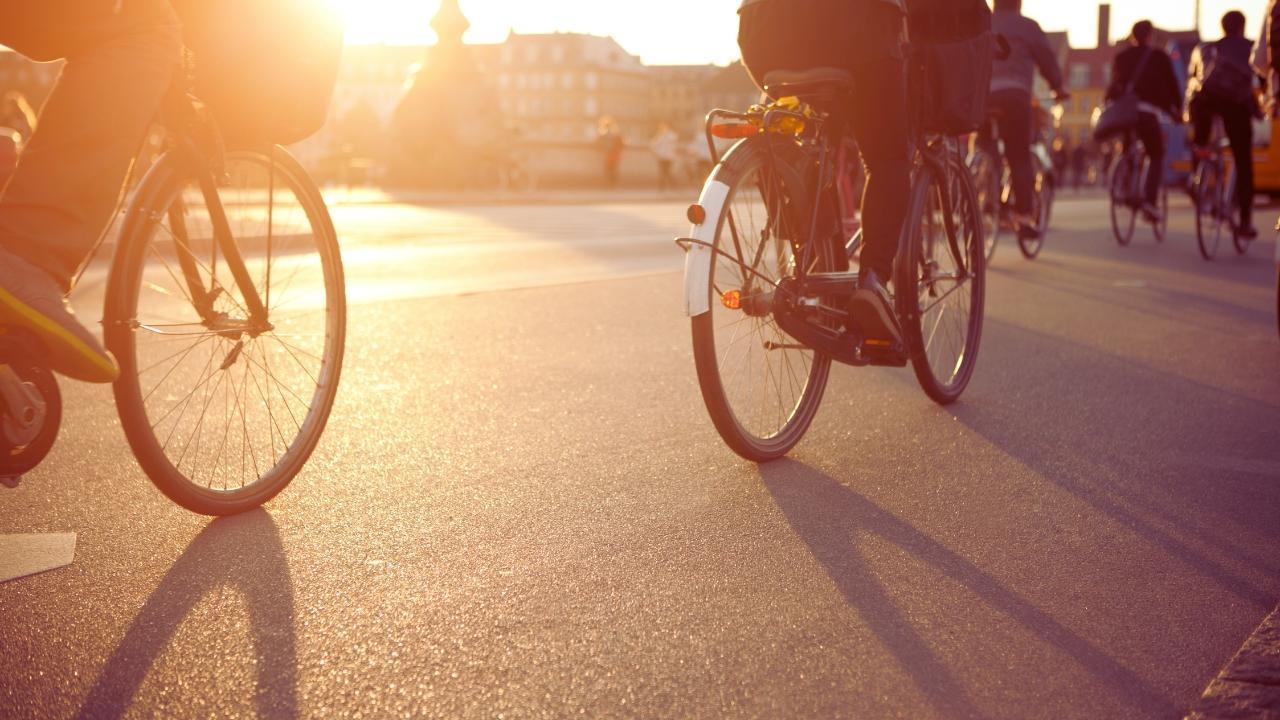
In 2025, big cities are changing how people travel, with bicycles becoming more popular than ever before. Once seen as just a leisure activity, cycling is now turning into a serious daily commute option. People are choosing cycles not just for exercise, but also because they save time, reduce costs, and help the environment. Cities are supporting this shift by building cycle-friendly roads, offering bike-sharing services, and making cycling safer for everyone. As a result, cycling to work is quickly becoming the new normal in urban life.
One of the biggest reasons people are cycling to work is to avoid traffic. Big cities like London, Paris, and New York are known for their long traffic jams, making car travel stressful and slow. With cycling, commuters are finding they can avoid the traffic altogether. Dedicated bike lanes allow them to move quickly through busy streets.
A recent report from Paris showed that cyclists are reaching work up to 30% faster than cars during rush hour. In cities like Amsterdam, which has always been cycle-friendly, bicycles are often the fastest way to get from one place to another. Even in Asian cities like Tokyo and Bangkok, workers are finding that short-distance cycling can save them valuable time every day.
Another reason why cycling is booming is because it’s much cheaper than other modes of transport. Cars require fuel, insurance, maintenance, and parking fees. Even public transport costs add up over time. In comparison, bicycles are affordable, with minimal running costs.
Bike-sharing services in major cities make it even easier. In cities like Beijing, Delhi, and Jakarta, bike-sharing costs less than a cup of coffee per day. Many workplaces now offer bicycle storage and repair services, making it more convenient to cycle to work. With inflation affecting daily expenses, many urban workers are switching to bikes to save money on travel.
Cycling to work is not just good for the wallet—it’s also great for health. Many office workers spend most of their day sitting, leading to health problems like obesity, back pain, and heart disease. Cycling is a simple way to get daily exercise without spending extra time at the gym.
Health experts recommend at least 30 minutes of physical activity each day, and cycling to work helps meet this target. Cities that promote cycling, such as Copenhagen and Berlin, have seen improvements in public health, with lower obesity rates and fewer cases of lifestyle diseases. As awareness about fitness grows, cycling is becoming the easy and effective way to stay active.
Environmental concerns are also pushing the cycling trend forward. Cities are struggling with pollution and high carbon emissions from vehicles. Cycling offers a zero-pollution alternative that reduces the number of cars on the road and cuts down on harmful gases.
Many governments are setting goals to reduce car use and promote eco-friendly travel. European cities are leading the way, with Paris aiming to become a “cycling capital” by 2030. Asian cities are also catching up. For example, Singapore has introduced a ‘Cycling Vision 2040’ plan to make cycling a major part of urban transportation. Choosing to cycle helps individuals contribute to cleaner air and healthier cities.
Governments around the world are realizing the benefits of cycling and are making efforts to support it. In recent years, many big cities have built more bike lanes, dedicated cycling bridges, and bike-friendly traffic signals. Some cities have even banned cars from certain areas, creating “cycle-only” zones.
In London, the number of protected cycle lanes has doubled since 2020. New York’s city council is working to add hundreds of miles of cycle tracks by 2026. In Delhi and Jakarta, car-free days are being introduced where streets are open only for cyclists and pedestrians. Such measures make cycling safer and encourage more people to take up cycling as a regular habit.
Smart technology is also making cycling easier and more enjoyable. Modern bicycles come with GPS trackers, anti-theft alarms, and electronic gear shifting. E-bikes, which offer electric assistance while pedaling, are becoming a big hit among commuters who want to avoid sweating during long rides.
Apps like Google Maps now offer cycling-specific routes that show the safest and fastest paths. In some cities, apps also allow users to rent bikes, track their cycling distance, and even calculate how much CO2 they’ve saved by not using a car. With these technological advancements, cycling is becoming more practical and attractive than ever.
Offices are also playing a big role in encouraging cycling to work. Many companies are offering rewards to employees who cycle regularly, such as cash bonuses or extra leave days. Some workplaces provide facilities like changing rooms, showers, and secured bicycle parking.
In cities like Melbourne and Toronto, big companies have started cycling clubs where employees can join group rides and enjoy social cycling activities. Such office support makes cycling more convenient and builds a culture where cycling is viewed positively rather than just as a last resort.
One concern people have about cycling is road safety. In some cities, poor road design and careless driving make cycling dangerous. However, this is changing. Governments are introducing stricter traffic rules to protect cyclists, including lower speed limits in residential areas and heavy fines for careless drivers.
Some cities like Amsterdam and Copenhagen are considered the safest places to cycle because of their advanced cycling infrastructure. Other cities are following their example by investing in safer bike paths, more visible road markings, and public education campaigns to respect cyclists’ rights on the road.
Experts believe that cycling will play a huge role in shaping the future of urban transport. As cities grow bigger and denser, public transport systems alone may not be enough to meet people’s needs. Cycling offers a flexible, affordable, and eco-friendly solution that works well alongside buses, trains, and metros.
Urban planners are now designing “15-minute cities,” where people can reach work, shops, and parks within a 15-minute cycle ride. Such cities promise lower pollution, less traffic stress, and healthier lifestyles. This future is already visible in parts of Europe, and other regions are quickly catching up.
This article is for informational purposes only and highlights general global cycling trends in 2025. Readers should refer to local government updates and transport policies for detailed cycling guidelines in their city.










PM Modi Pays Tribute to Mahatma Gandhi, Urges People to Support Khadi
PM Modi pays tribute to Mahatma Gandhi on Gandhi Jayanti and urges citizens to support Khadi and the

Amazon Seeks to Offload $8 Billion in Nvidia Chips to Investors
Amazon plans to move $8 billion in Nvidia chips to investors, using a new financing model to strengt

Samsung Raises Galaxy S26 Prices as Memory Chip Costs Rise
Samsung raises Galaxy S26 prices in South Korea as rising memory chip costs put pressure on smartpho

Lewis Hamilton Calls Singapore Grand Prix One of F1's Toughest Races
Lewis Hamilton discusses the demanding Singapore Grand Prix and brings Plus44 and Almave to Singapor

Denmark's Pandora Opens World's Largest Jewellery Factory in Vietnam
Pandora opens its largest jewellery factory in Vietnam, expanding global production, strengthening s

Gautam Gambhir Questions Batting-Friendly Pitches After India's Record ODI Chase
Gautam Gambhir questions batting-friendly ODI pitches after India’s record chase, calling for a bett

