
You have not yet added any article to your bookmarks!
Join 10k+ people to get notified about new posts, news and tips.
Do not worry we don't spam!

Post by : Saif Rahman
The ongoing political turmoil in Yemen has escalated with the removal of a prominent southern separatist leader by the anti-Houthi leadership. This action has thrown light on the profound divisions within the governing coalition managing areas outside Houthi control, raising alarms about stability in the war-ravaged country.
This announcement came from Yemen's Presidential Leadership Council, the recognized body formed to consolidate forces against the Houthis. Officials accused the ousted leader of undermining national interests through unilateral military choices, which negatively impacted the cohesion among allied factions. They claimed he directly challenged the central leadership's authority during a critical time when unity is paramount.
The expelled leader heads the Southern Transitional Council, a faction wielding significant power in southern Yemen and advocating for regional independence. While opposing the Houthis, the group has a history of disputes with the government regarding Yemen's future structure, leading to persistent tensions even among allies.
Political analysts suggest that this maneuver illustrates the vulnerability of Yemen's anti-Houthi alliance. Despite a common goal of opposing the Houthis, conflicts over authority, territory, and governance hinder progress. Moreover, regional influences, with Saudi Arabia promoting a unified Yemen and the UAE supporting southern groups, add complexity.
This latest twist might jeopardize negotiations aimed at concluding a conflict now entering its second decade, which has resulted in countless deaths and widespread hunger. Humanitarian organizations emphasize that ongoing political strife diverts necessary attention from critical humanitarian crises such as food scarcity, healthcare failures, and insufficient basic services.
Experts warn that these internal rifts could work to the advantage of the Houthis, who remain solidly in control of extensive northern regions, including the capital, Sanaa. Any disintegration among the rival anti-Houthi factions might alleviate pressure on the rebels and extend the hostilities.
For the average Yemeni citizen, this news brings further uncertainty. Many express fatigue over continuous power dynamics and urge leaders to prioritize peace, reconstruction, and immediate survival needs over political infighting. Without a genuine commitment to compromise and trust, the aspirations for stability and recovery seem ever elusive.





APEC Members Emphasise Safe and Responsible Use of Artificial Intelligence
APEC members discuss responsible AI use, digital innovation and data governance as China and the US

Union of European Clubs Challenge UEFA and EFC Over EU Competition Rules
UEC files an EU competition complaint against UEFA and EFC, challenging club representation, governa

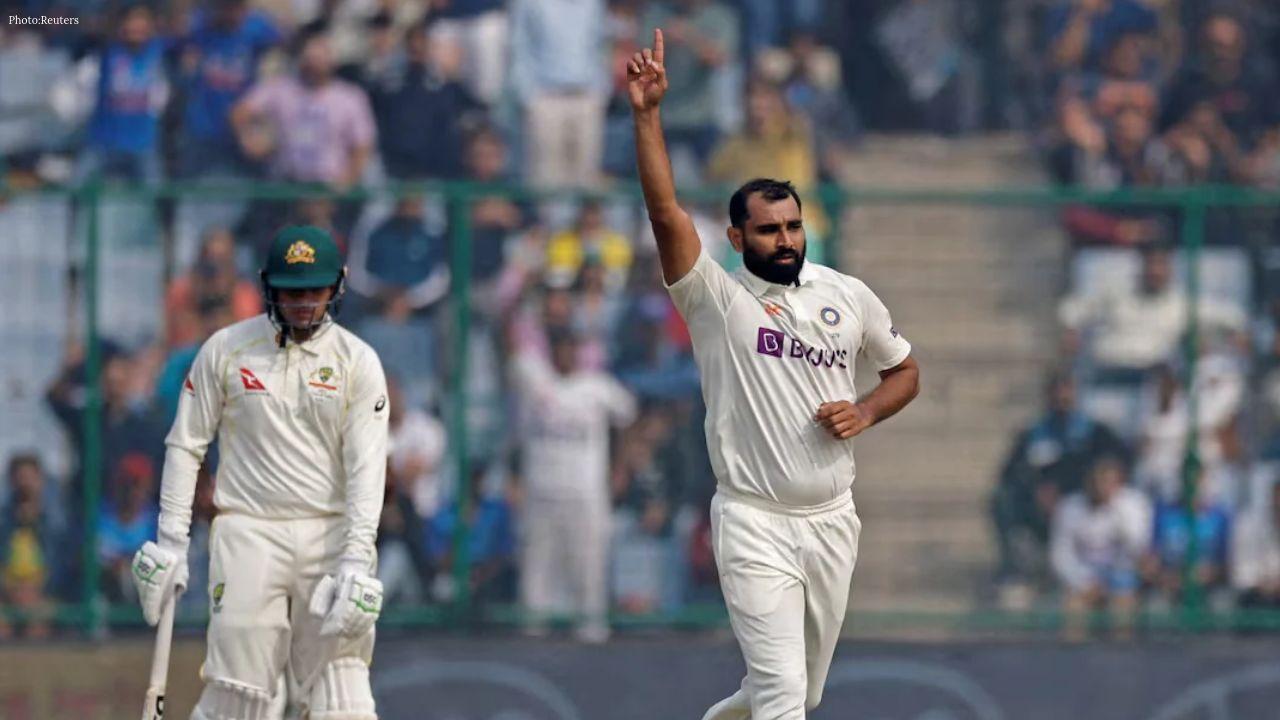
Mohammed Shami Retires From Test Cricket, Eyes White-Ball Career
Mohammed Shami retires from Test cricket after 13 years, with 229 wickets. He will continue playing

Singapore Warns Users About Privacy and Security Risks of AI Agents
Singapore warns users about AI agent security risks, data privacy, online scams and unauthorised acc

Chris Lynn Completes One-Month Ban After Positive Cocaine Test
Australian cricketer Chris Lynn completes a one-month ban after a positive cocaine test during the T

Djokovic Eyes Strong Season Finish as Health Improves Ahead of Paris Masters
Novak Djokovic reports improved health and performance as he targets a strong Paris Masters finish a