You have not yet added any article to your bookmarks!
Join 10k+ people to get notified about new posts, news and tips.
Do not worry we don't spam!
Post by : Rohit Dhiman
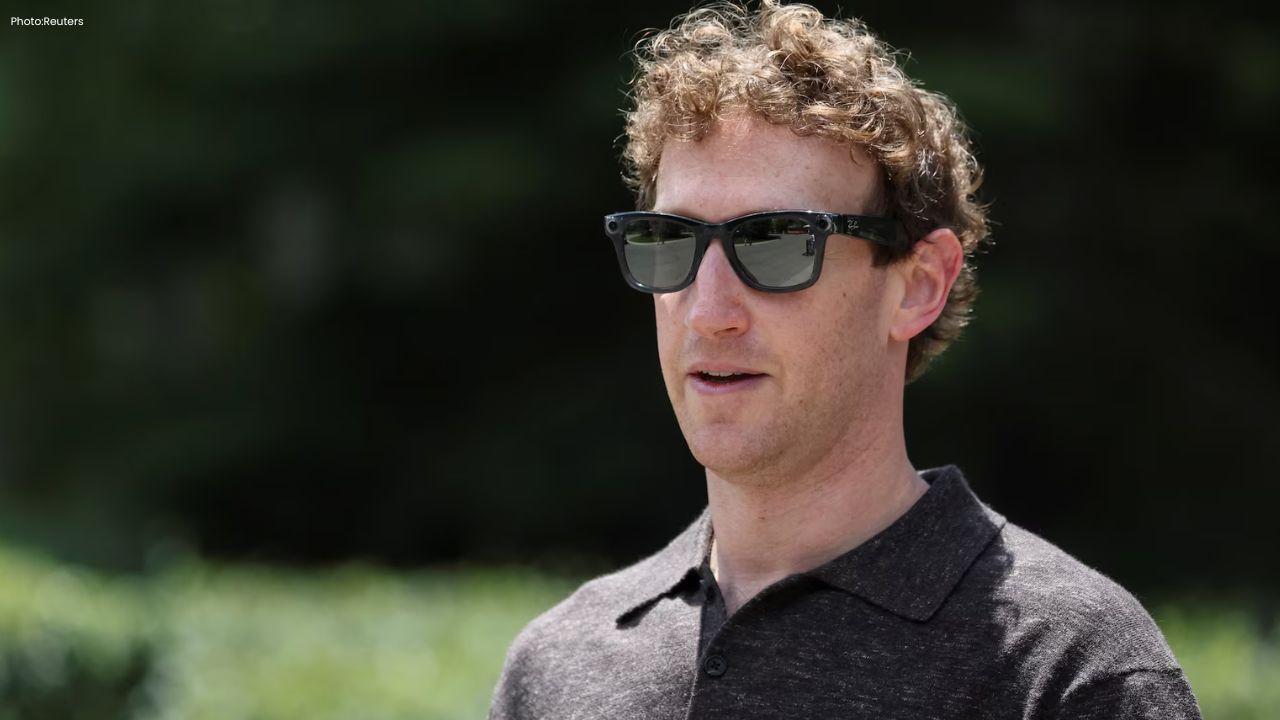
Meta CEO Mark Zuckerberg has pushed back against growing calls for the artificial intelligence industry to slow or pause the development of increasingly capable AI systems. Zuckerberg argued that companies already have strong commercial and legal reasons to make their technology safer rather than relying on an industry-wide slowdown. His comments come amid an increasingly visible debate among major technology executives about the pace of AI development. Anthropic CEO Dario Amodei recently called for companies developing advanced AI models to slow the rate at which their capabilities improve, citing concerns about safety and the possibility that technological progress could outpace human ability to control the systems. OpenAI CEO Sam Altman and Elon Musk subsequently expressed support for aspects of that call. Zuckerberg, however, said individual AI laboratories can take responsibility for safety without waiting for an industry-wide agreement.
In a post on X, Zuckerberg argued that AI companies have a natural incentive to ensure their systems behave reliably because customers are unlikely to continue using products that fail to follow instructions or act against their interests. He also pointed to legal exposure as another reason companies have an incentive to reduce risks. According to Zuckerberg's position, companies could face significant liability if their AI systems cause serious harm. The Meta chief said every AI laboratory has a responsibility to develop models at a pace that allows adequate safety work. He also indicated that companies have the ability to make their own decisions about delaying products or strengthening safeguards when necessary.
Zuckerberg cited Meta's own handling of its Muse AI agent as an example of the approach he supports. According to his comments, Meta delayed the release of Muse for several months while the company worked on security and safety concerns. He argued that Meta did not ask other companies to stop developing their systems first, but instead addressed its own product risks as part of its normal development process. The example was used to reinforce Zuckerberg's broader argument that individual companies can take precautionary measures while continuing to develop AI technology.
The disagreement comes at a time when AI development is accelerating across the technology industry. Leading companies are competing to build increasingly capable models and AI agents, while researchers and executives are also examining how these systems can be tested and controlled. Amodei has argued that the industry should slow the improvement of frontier AI capabilities and introduce stronger independent safety checks. His proposal includes greater involvement from third-party evaluators and more coordination around AI safety. Zuckerberg's position differs on the question of whether companies should collectively slow their progress. He has instead emphasized company-level responsibility and safeguards.
Zuckerberg also said Meta has directed the significant majority of its computing resources toward building products designed to meet users' immediate needs rather than concentrating primarily on AI systems capable of recursive self-improvement. Recursive self-improvement refers to AI systems being used to improve or develop more capable versions of themselves. The possibility has become a major part of recent discussions about the long-term risks associated with advanced AI. Meta has also said its Meta Superintelligence Labs uses independent evaluators in several areas. Zuckerberg described the involvement of outside evaluators as an important safety practice that other AI laboratories could also adopt.
The disagreement over AI development is not limited to executives at technology companies. US officials and policymakers have also expressed different views about how AI should be regulated and how quickly the technology should advance. President Donald Trump has argued against measures that could slow the US AI industry, while Nvidia CEO Jensen Huang has also questioned calls for restrictions that could affect technological competition. At the same time, FTC Chairman Andrew Ferguson has raised concerns about AI companies seeking antitrust exemptions while asking for coordinated changes to development practices. These differing positions have added another layer to the debate over AI regulation, innovation and safety.
Read Also: Hannah Yeoh Says She Gave Honest Views on Najib’s Pardon Bid
One area where the broader AI safety discussion is gaining attention is independent evaluation. External evaluators can assess AI systems for safety, reliability and alignment rather than leaving all testing to the companies developing the technology. Zuckerberg said Meta already works with independent evaluators in several areas and suggested that this could become a broader industry practice. The discussion reflects a wider question facing the technology sector: whether AI safety can be managed primarily through company-level measures or whether governments and competing AI companies will eventually need common standards.


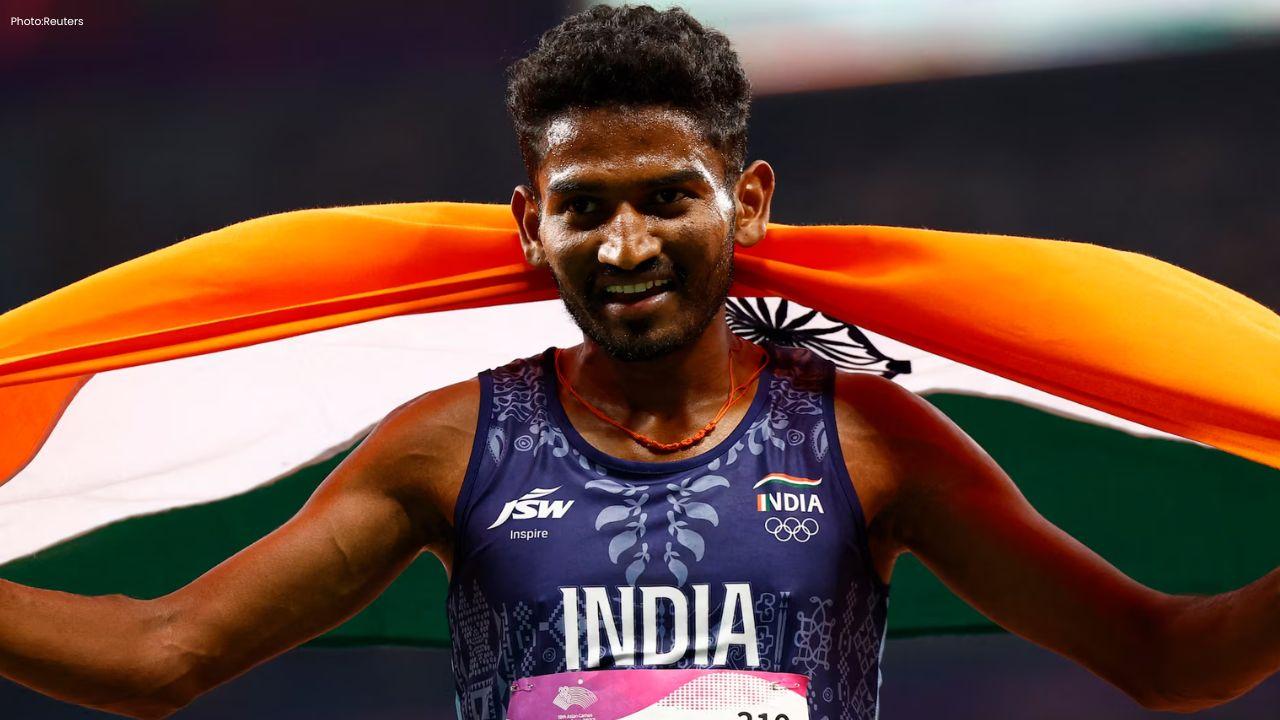



Avinash Sable Overcomes Hurdle Fear Ahead of Asian Games Title Defence
Avinash Sable returns after injury as he targets the Asian Games title, with Asian Games 2026 and In
Grab to Expand Autonomous Vehicle Fleet from 10 to 50 in Singapore
Grab will expand its autonomous vehicle fleet from 10 to 50 in Singapore, with new AV services plann

Judge Refuses to Record RM1.7mil Road Accident Settlement
Malaysia High Court says court approval is needed before a RM1.7 million road accident settlement in
Tesla Establishes Vietnam Unit in Major Southeast Asian Market
Tesla establishes a Vietnam unit with $3 million capital, opening a new route into the country's gro

Lamine Yamal Says Mbappe Is His Only Ballon d'Or Rival
Lamine Yamal says Kylian Mbappe is his only Ballon d'Or rival after World Cup success and another La

PM Modi Presents Putin Russian Translation of Thirukkural at BRICS Summit
PM Modi gifts Putin a Russian Thirukkural translation, highlighting India-Russia ties and the global