
You have not yet added any article to your bookmarks!
Join 10k+ people to get notified about new posts, news and tips.
Do not worry we don't spam!
Post by : Shweta
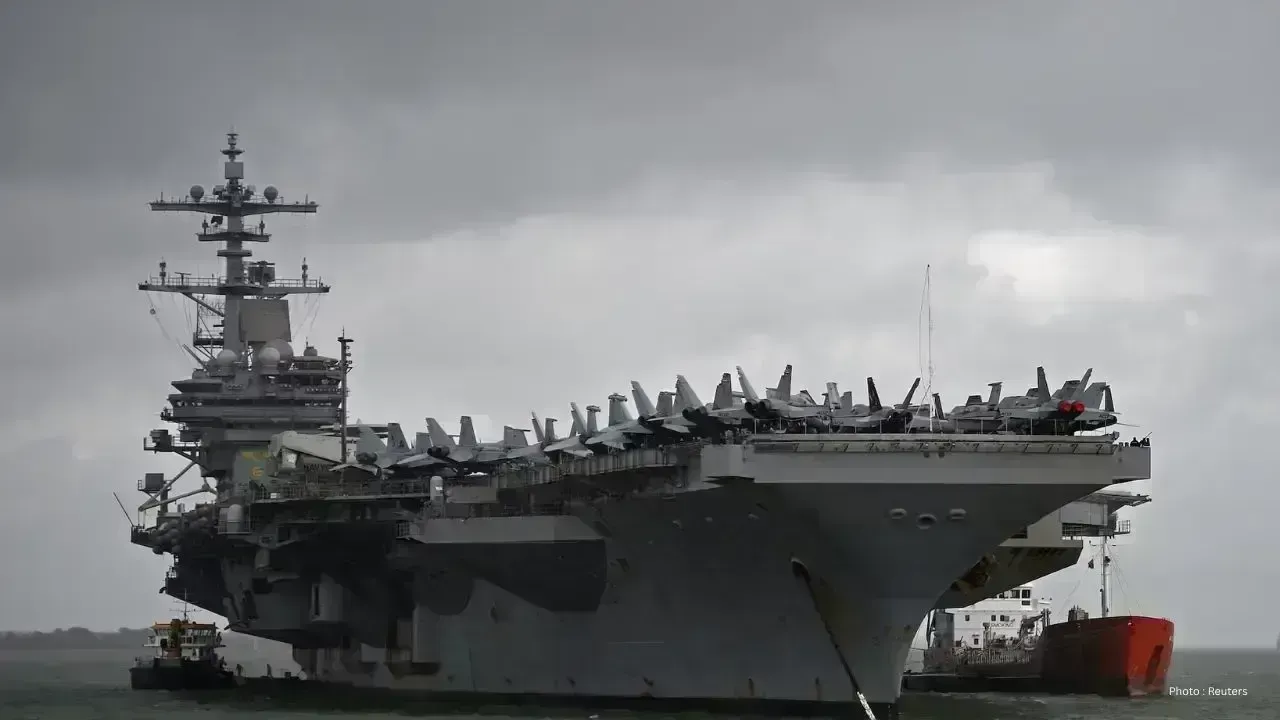
Iran has issued a stern warning, asserting that any renewed military aggression from the United States could spark a conflict that extends beyond West Asia. This statement follows remarks from President Donald Trump, who threatened potential military strikes if diplomatic negotiations with Tehran proceed unsuccessfully. Such exchanges have heightened global anxiety regarding rising hostilities between Washington and Tehran, raising fears of a larger regional crisis.
Officials in Iran indicated that the nation would retaliate forcefully should the US decide to escalate military action in the area. The remarks from military and political authorities in Iran imply that any escalation might have implications for nations beyond the Middle East, although precise targets or measures were not disclosed.
The warning follows Trump's assertion that the US is ready to undertake a significant military action against Iran if negotiations fail to yield results. He noted that while he had contemplated resuming military operations recently, he opted to delay in hopes of facilitating diplomatic discussions. However, substantial gaps remain between both sides on critical issues involving sanctions, military operations, and Iran's nuclear activities.
Despite indirect diplomatic discussions and ceasefire talks, tensions continue to mount. Reports indicate that Iran is seeking relief from sanctions, compensation for war-related damages, and alterations to the US military footprint in the region, while the US maintains its position, urging Iran to limit its nuclear capabilities and military actions.
This precarious situation has raised alarms in the global economy, particularly due to the strategic significance of the Strait of Hormuz, a vital route for oil transport. Iran has consistently threatened that continued military pressure could disrupt maritime traffic and energy supplies in the area. Analysts warn that any severe disruption could have significant repercussions on global oil prices and international trade.
As fears of a broader conflict that could envelop multiple nations and armed groups in the Middle East grow, international leaders and diplomatic entities are calling for restraint. Experts caution that heightened military rhetoric from both sides raises the likelihood of miscalculations, exacerbating an already volatile situation in the region.
Security analysts perceive the ongoing standoff as part of a larger contest over regional dominance, military maneuvers, and nuclear policy. Iran continues to represent itself as capable of resisting external pressures, while the US insists that military interventions remain on the table should negotiation efforts break down.
As diplomatic initiatives unfold behind the scenes, nations globally remain vigilant and acutely aware that any escalatory actions between the United States and Iran could severely impact global security, energy markets, and overall international stability.










PM Modi Pays Tribute to Mahatma Gandhi, Urges People to Support Khadi
PM Modi pays tribute to Mahatma Gandhi on Gandhi Jayanti and urges citizens to support Khadi and the

Amazon Seeks to Offload $8 Billion in Nvidia Chips to Investors
Amazon plans to move $8 billion in Nvidia chips to investors, using a new financing model to strengt

Samsung Raises Galaxy S26 Prices as Memory Chip Costs Rise
Samsung raises Galaxy S26 prices in South Korea as rising memory chip costs put pressure on smartpho

Lewis Hamilton Calls Singapore Grand Prix One of F1's Toughest Races
Lewis Hamilton discusses the demanding Singapore Grand Prix and brings Plus44 and Almave to Singapor

Denmark's Pandora Opens World's Largest Jewellery Factory in Vietnam
Pandora opens its largest jewellery factory in Vietnam, expanding global production, strengthening s

Gautam Gambhir Questions Batting-Friendly Pitches After India's Record ODI Chase
Gautam Gambhir questions batting-friendly ODI pitches after India’s record chase, calling for a bett

