You have not yet added any article to your bookmarks!
Join 10k+ people to get notified about new posts, news and tips.
Do not worry we don't spam!
Post by : Mikael Ariff
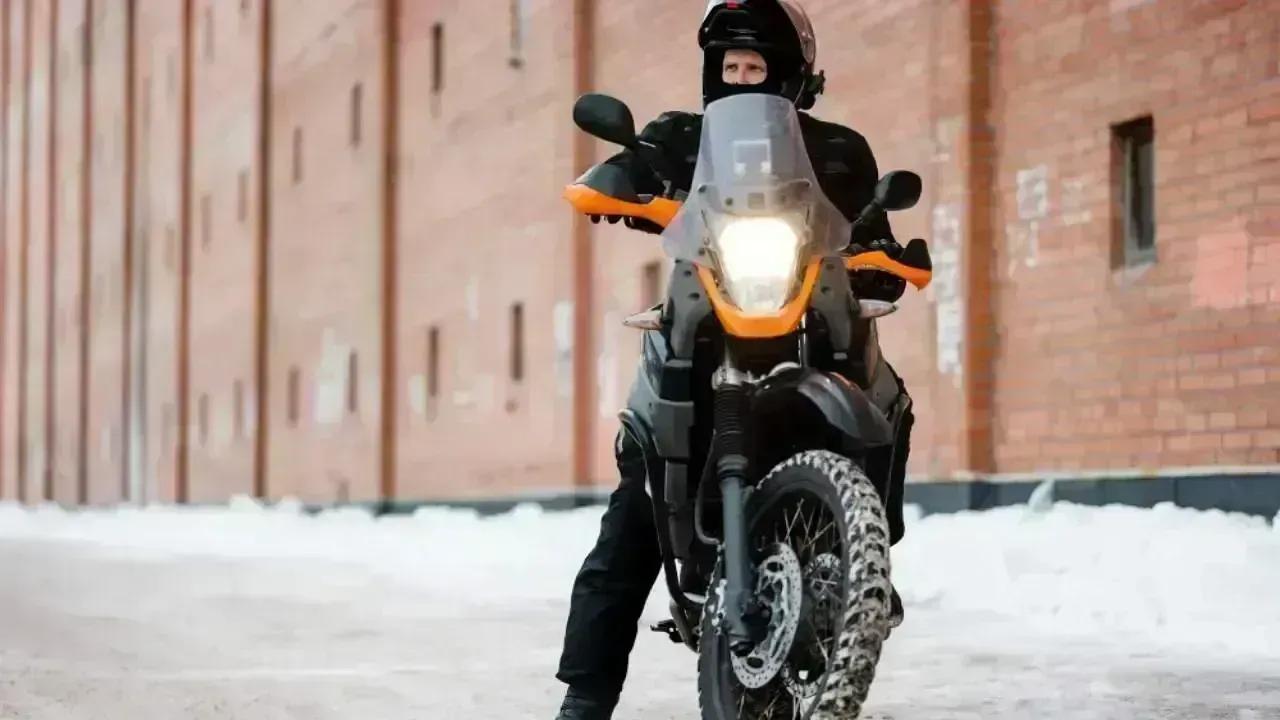
Winter mornings can be tough for motorbike riders. Those who hit the road early for work, delivery personnel on long shifts, or folks undertaking lengthy journeys all experience the same challenge—sharp, biting winds disrupting their ride. These cold gusts not only cause discomfort but also impair focus, body movement, and overall road safety.
During chilly months, it’s common for riders to feel numbness in their hands and stiffness throughout their bodies, leading to diminished attention while navigating through traffic or highways. Many may think that investing in expensive winter gear is the solution, but effectively staying warm on a motorbike hinges more on blocking the icy winds than layering on clothing.
Implementing a small yet impactful adjustment can significantly improve comfort and safety while riding in winter.
Unlike cars where occupants are shielded from direct winds, motorbike riders are fully exposed. Even at moderate speeds, cold air bombards the body repeatedly, leading to rapid heat loss.
This phenomenon, known as wind chill, makes typical winter temperatures feel significantly colder when riding. Key areas like the chest, neck, hands, and legs suffer the most, which can lead to tight muscles, loss of sensation in fingers, and quick fatigue. Additionally, riders might experience joint pain or breathing issues after extended periods in the cold.
The ultimate winter riding strategy is to block the cold wind rather than donning multiple layers of thick clothing.
While heavy sweaters or multiple layers of wool may feel warm at first, the chill will eventually seep in through tiny gaps. Once this happens, body heat is lost, and discomfort returns.
A more effective approach is to wear a thin wind-blocking layer close to the skin.
This layer acts as a barrier, preventing cold air from reaching the skin while retaining the natural body heat.
One doesn’t need high-end riding gear to achieve this; simple items that can be found around the house or at local shops will suffice:
A lightweight windproof jacket worn under a regular jacket.
A rainproof or plastic inner layer for particularly cold days.
A snug scarf or neck warmer to prevent air ingress.
These thin layers won’t hinder movement, allowing riders to enjoy their journeys in warmth without heavy clothing weighing them down.
Bulky clothing can make riding cumbersome and uncomfortable, curtailing necessary flexibility. Thick outfits often allow cold air in through zips, collars, or other loose spots.
When wind is effectively blocked, even lightweight clothing can offer warmth. Many riders feel more comfortable with fewer layers once wind flow is curtailed.
At speeds as slow as 40 to 50 kilometers per hour, the cold wind can drastically drop the perceived temperature. Hence, halting airflow is more critical than merely adding layers.
Cold extremities can be both uncomfortable and unsafe.
When fingers turn cold and stiff, it affects grip on the handlebars, making brakes and clutch operation difficult. Cold feet can impact balance, particularly during stops or accelerations.
Here are some easy tips:
Opt for thin cotton or thermal gloves beneath riding gloves.
Select socks designed to block airflow, not just thick wool ones.
Avoid tight-fitting shoes that may constrict blood flow.
Good circulation is key to warmth, and restricting footwear or gloves can exacerbate the cold.
Cold conditions can cause quicker fatigue, as the body expends extra energy to maintain warmth. Tired riders often lose focus and may have slower reaction times on the road.
By blocking cold winds, riders can conserve energy, feeling more alert and energized—especially beneficial during lengthy rides or night travels.
Additional healthy practices include:
Taking brief breaks on long journeys.
Having a warm drink before setting off.
Ensuring adequate rest before early rides.
Many riders mistakenly assume that winter discomfort is inevitable. Such thoughts can be dangerous; when feeling cold, decision-making while riding tends to decline.
Implementing simple strategies for warmth promotes safer riding.
This wind-blocking technique is beneficial for:
Commuters heading to work.
Delivery and gig economy workers.
Riders taking long highway trips.
Students and early travelers.
This affordable method is practical for every rider.
Riding in winter need not be synonymous with discomfort or numbness. By concentrating on preventing cold wind instead of layering up, riders can facilitate smoother, safer outings.
This straightforward motorbike strategy showcases how clever choices often prove superior to high-priced gear. With the correct mindset, winter riding can be easier, safer, and enjoyable.
This article serves to inform readers about riding techniques based on shared experiences and general safety practices. It's not a substitute for professional riding training, expert maintenance counsel, or mandated safety gear. Conditions can vary, so readers should exercise personal judgement while riding. Always adhere to traffic regulations and equipment safety standards for winter travel.








Danaher to Launch AI-Powered Autonomous Research Lab in 2027
Danaher plans an AI research lab for 2027, combining robotics and automation to speed up drug discov

Musk Welcomes German Support for Tesla Driver Assistance Tech as EU Approval Push Continues
Elon Musk welcomes Germany's backing for Tesla FSD as the company seeks EU approval amid speed, safe

Microsoft and Nvidia CEOs to Unveil AI Laptop at San Francisco Event
Microsoft and Nvidia showcase a new AI laptop with RTX Spark chips as they push powerful local AI co

Man to face charges over perfume thefts at Changi Airport
A 47-year-old man faces charges over perfume theft at Changi Airport after six items worth nearly S$

Google Signs 3.6-GW Power Deal With Constellation Energy in US
Google signs a 3.6-GW power deal with Constellation Energy, including nuclear power upgrades to supp

Harmanpreet Kaur Steps Down as India Captain Across All Formats
Harmanpreet Kaur steps down as India captain across all formats after a remarkable leadership journe