
You have not yet added any article to your bookmarks!
Join 10k+ people to get notified about new posts, news and tips.
Do not worry we don't spam!
Post by : Samjeet Ariff
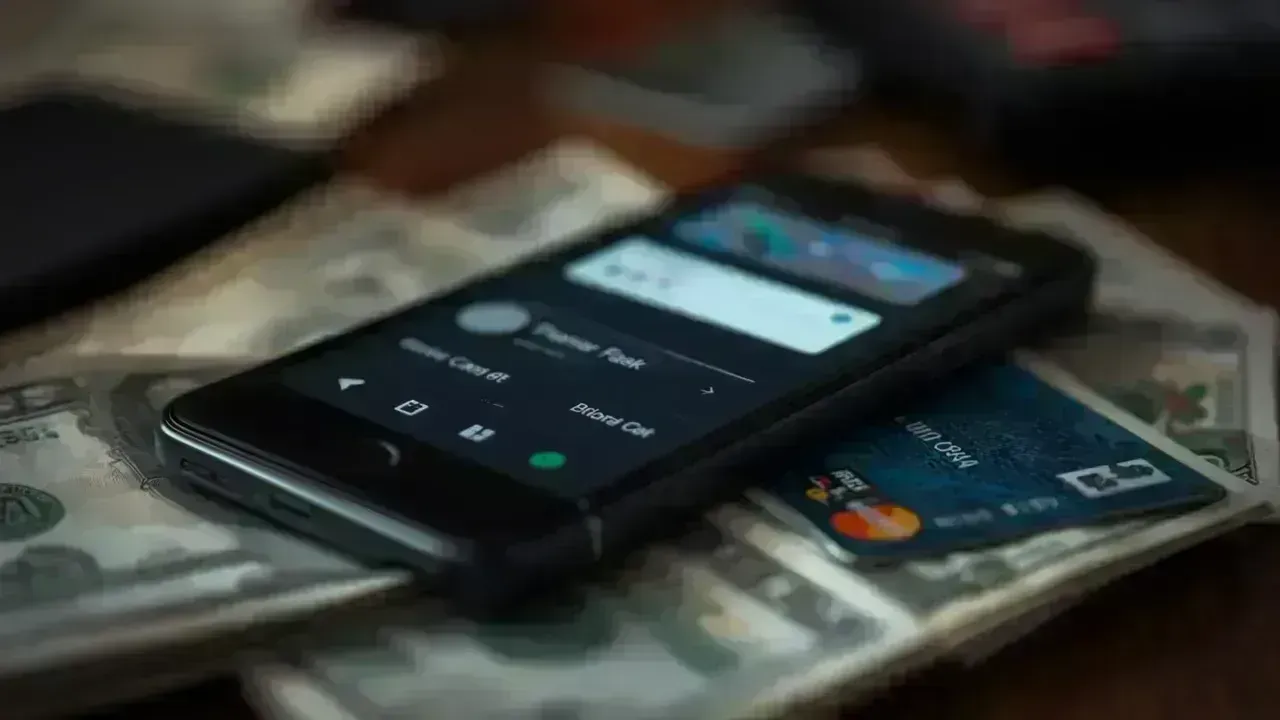
In the UAE, payment methods are changing at a rapid pace. With a population renowned for its tech-savviness, residents are increasingly opting for digital methods like mobile wallets and card payments. Still, cash maintains its presence in daily transactions. This overview reveals how both locals and tourists are navigating payment options in the UAE, highlighting preferences, driving technologies, and circumstances affecting choices.
The UAE's strong economy is paired with a digital transformation strategy, bolstered by governmental support, robust banking systems, and high smartphone penetration. Yet, traditional habits and market standards continue to shape the practical use of cash and digital payments.
Here, digital payment methods include:
Card payments: Visa, Mastercard, and local bank cards
Contactless & Mobile Wallets: Options such as Apple Pay, Google Pay, Samsung Pay
Peer-to-peer applications: Services like Payit and UAE bank payment apps
QR code transactions: Scan & pay services in shops and restaurants
Payments can involve cards, mobile wallets, or direct peer-to-peer transfers.
Cash payments refer to the tangible notes and coins used in exchanges. Common scenarios include:
Purchases at street markets
Paying taxis or parking meters that prefer cash
Providing tips to service staff
Cash remains relevant, especially in areas where digital options are limited.
Digital payments are predominant in official environments. In shopping malls, hotels, online markets, and prominent retailers, payment methods diverge towards cards and mobile options. Contactless and wallet solutions have surged in popularity, especially since the pandemic, enhancing hygiene, speed, and convenience.
Even so, cash is still prevalent in specific contexts, including informal transactions, small tips, and situations where digital infrastructure proves inadequate.
Retail: Shoppers prefer cards, finding contactless payments expedient.
Online Purchases: Dominated by digital solutions (cards or mobile payments).
Restaurants & Cafés: The standard payment mode is cards, complemented by QR code and in-app payment options.
Ride-hailing & Delivery Services: Digital payments prevail through app transactions or stored card information.
Utilities & Bills: Most users opt for digital solutions through bank applications or auto-payment systems.
Local Markets & Street Vendors: Some vendors opt for cash payments due to limited digital integration.
Tipping: Many service providers prefer cash for gratuities.
Parking Charges: Some meters or small establishments may only accept cash.
Rural Areas: Less urban locations often have inadequate card acceptance or unreliable digital connectivity.
Mobile wallets like Apple Pay, Google Pay, and local bank applications are experiencing rapid growth, especially with younger consumers and expatriates. Retailers have increasingly adopted contactless solutions for ease and speed. The UAE’s exceptional smartphone usage fosters further wallet integration.
QR code transactions — where users scan a code for payment through a banking app or wallet — are also on the rise in eateries and sectors where merchants face high terminal costs.
Small purchases: Typically, cash is used for minor items and tips, especially in places lacking card capabilities.
Medium transactions: Dominantly conducted through cards and wallets.
Large transactions: Digital options, particularly cards and online systems, are almost universally preferred.
Younger individuals and expatriates are inclined toward digital and contactless payment methods exclusively.
Conversely, older generations may still rely on cash for everyday smaller expenses.
Tourists generally favor cards but often withdraw cash for small purchases and gratuities.
Transaction fees associated with digital payments can hinder smaller vendors from accepting card payments. In contrast, cash lacks processing costs, appealing to informal sellers despite being less convenient for consumers.
Government initiatives and banks promote cashless methods by providing incentives, lowering fees, and advancing awareness campaigns. Certain cities and events highlight “smart payments,” emphasizing the safety and efficiency of digital transactions.
Although exact statistics differ across demographics and locations, digital payments are generally more utilized than cash in the UAE, particularly in urban and commercial contexts. However, in specific settings — small vendors, informal purchases, and tips — cash remains relevant and frequently utilized.
Carry cash for small vendors, gratuities, and parking charges. Use digital payments (cards and wallets) for most shopping, dining, and significant purchases. Activate contactless payments on your devices for quick checkouts and heightened security. Always verify if local businesses accept card payments, as many might still favor cash.
This article serves informational purposes only, reflecting general payment trends. Individual experiences may vary based on factors like location, merchant technologies, and personal preferences. Always have multiple payment options available while traveling or residing abroad.







Google Signs 3.6-GW Power Deal With Constellation Energy in US
Google signs a 3.6-GW power deal with Constellation Energy, including nuclear power upgrades to supp

Harmanpreet Kaur Steps Down as India Captain Across All Formats
Harmanpreet Kaur steps down as India captain across all formats after a remarkable leadership journe

Michael Bracewell Chooses Casual Contract, Targets BBL Opportunity
Michael Bracewell moves to a casual contract as he eyes a BBL opportunity while remaining available

Tuchel Says Alex Scott Can Challenge Declan Rice for England Midfield Spot
Thomas Tuchel says Alex Scott can challenge Declan Rice for an England midfield place after his impr
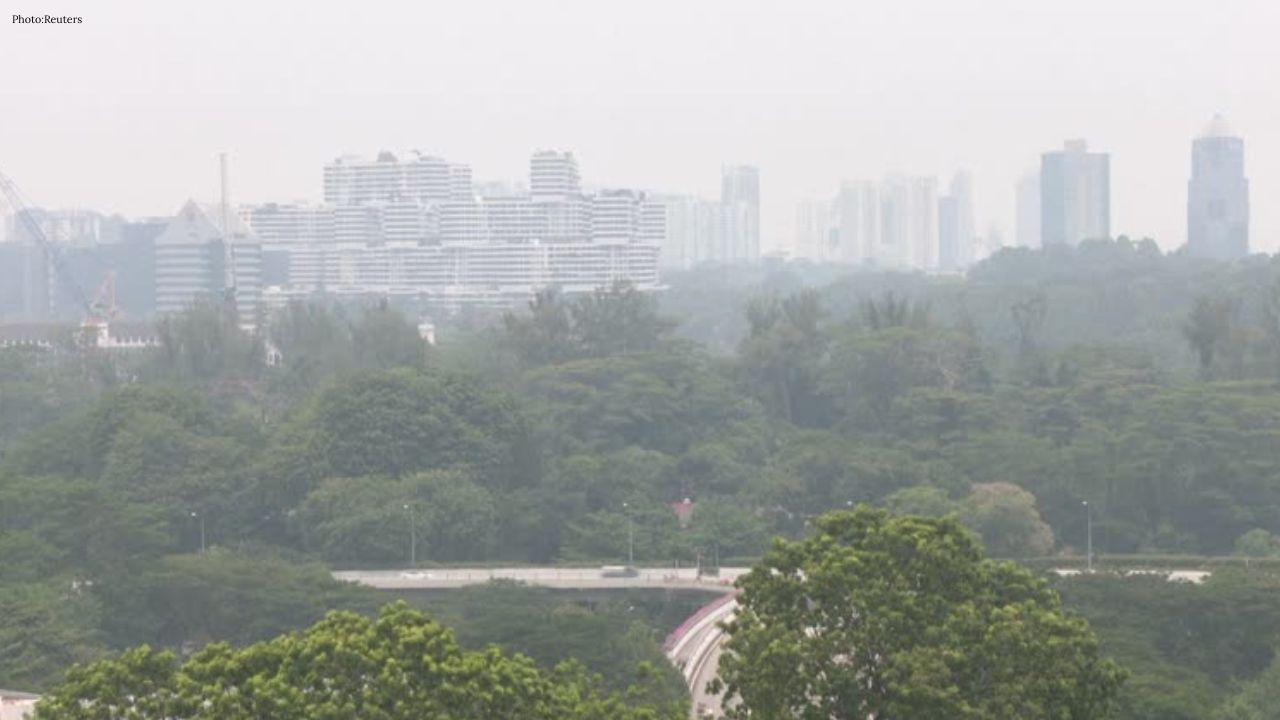
Air Quality Turns Unhealthy in Central and Western Singapore Amid Haze
Singapore haze pushes PSI above 100 in central and western areas as smoke from regional hotspots rai

PM Modi Pays Tribute to Mahatma Gandhi, Urges People to Support Khadi
PM Modi pays tribute to Mahatma Gandhi on Gandhi Jayanti and urges citizens to support Khadi and the

