You have not yet added any article to your bookmarks!
Join 10k+ people to get notified about new posts, news and tips.
Do not worry we don't spam!
Post by : Saif Rahman
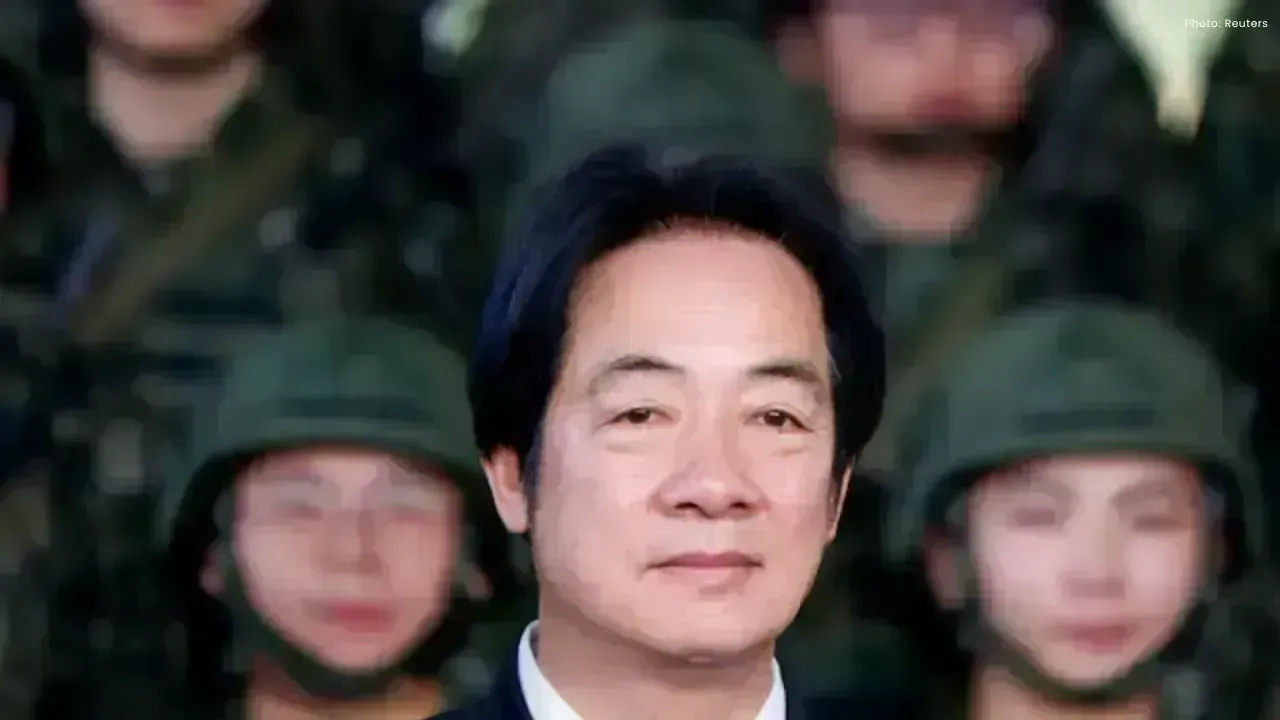
Taiwan is actively pursuing greater semiconductor investments in the United States, particularly spotlighting Arizona. President Lai Ching-te expressed hopes for the establishment of additional Taiwanese chip factories and research facilities in the area, emphasizing that this initiative is pivotal in enhancing Taiwan-U.S. relations.
During a meeting with U.S. Senator Ruben Gallego from Arizona, President Lai noted that Taiwan Semiconductor Manufacturing Company (TSMC) showcases the collaborative potential of industries from both nations. He is optimistic that increased cooperation in chip manufacturing and research will yield significant, long-term advantages for both sides.
As the globe's leading contract chipmaker, TSMC is instrumental in manufacturing advanced semiconductors vital for artificial intelligence, smartphones, and cutting-edge electronics. The company is currently making an investment of about 165 billion dollars in Phoenix, Arizona, where expansive semiconductor plants are underway. These facilities are projected to generate thousands of jobs and bolster the U.S. domestic chip supply.
The U.S. has been advocating for Taiwan to heighten its manufacturing footprint in America. U.S. President Donald Trump has persistently urged key trading partners with substantial trade surpluses to boost domestic production in the U.S., notably in high-tech domains like AI chips. Taiwan's intensifying investments in Arizona align seamlessly with this strategic policy.
President Lai conveyed that the expansion of semiconductor operations in the U.S. transcends mere business considerations, symbolizing trust and aligned objectives. He highlighted that technological synergy fosters stronger political and economic affiliations, especially amid prevailing global supply chain uncertainties.
This dialogue follows the recent establishment of a trade agreement between Taiwan and the U.S. Under this arrangement, U.S. tariffs on Taiwanese exports are set to be reduced from 20% to 15%. Furthermore, Taiwan committed to investing approximately 250 billion dollars into the U.S. across sectors including semiconductors, energy, and artificial intelligence, alongside assurances of an additional 250 billion dollars in credit guarantees to facilitate further investments.
Senator Gallego commended the substantial Taiwanese investment in Arizona, asserting that it has yielded significant economic benefits for the state. He remarked that Arizona has emerged as a benchmark for other states, attributable to the formidable presence of companies like TSMC and the economic growth they have ushered in.
Despite the absence of formal diplomatic ties, the U.S. stands as Taiwan's foremost international ally. Economic collaborations, especially in critical sectors like semiconductors, continue to reinforce this association. Taiwan's push for increased chip investments in Arizona underscores how technology is reshaping global alliances and economic security moving forward.




SpaceX Signs $40 Billion Apollo Deal to Finance AI Chips
SpaceX has entered a $40 billion deal with Apollo for AI chip and data centre hardware financing, su

Rybakina Retains Ningbo Title Ahead of WTA Finals Defence
Elena Rybakina beats Leylah Fernandez to retain the Ningbo Open title, building momentum ahead of he

South Africa Paceman Anrich Nortje Ruled Out of Third Test
Anrich Nortje misses the third Test against Australia with a groin injury as South Africa prepare fo

Mumbai Indians Appoint Kieron Pollard as Head Coach for 2027 IPL
Mumbai Indians appoint Kieron Pollard as head coach for IPL 2027, replacing Mahela Jayawardene as th
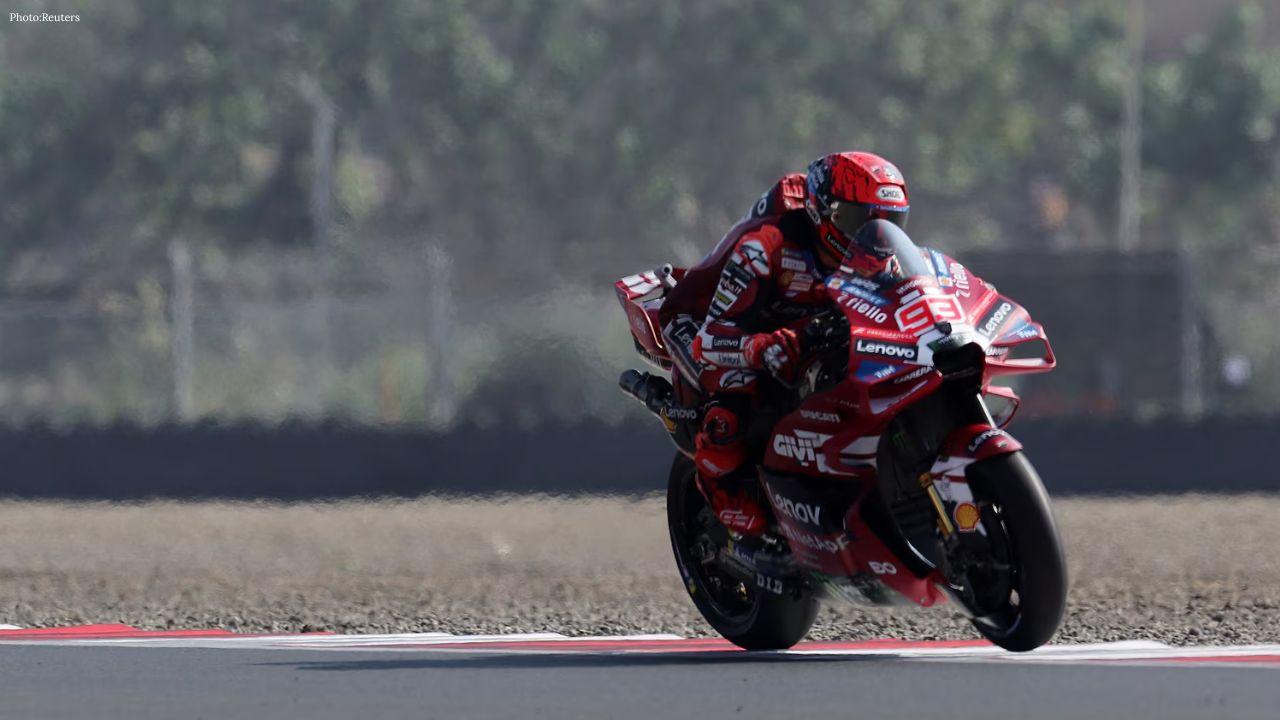
Marquez Takes Australian MotoGP Pole After Early Qualifying Crash
Marc Marquez claims pole at the wet Australian MotoGP after a crash, with Alex Marquez second and Jo
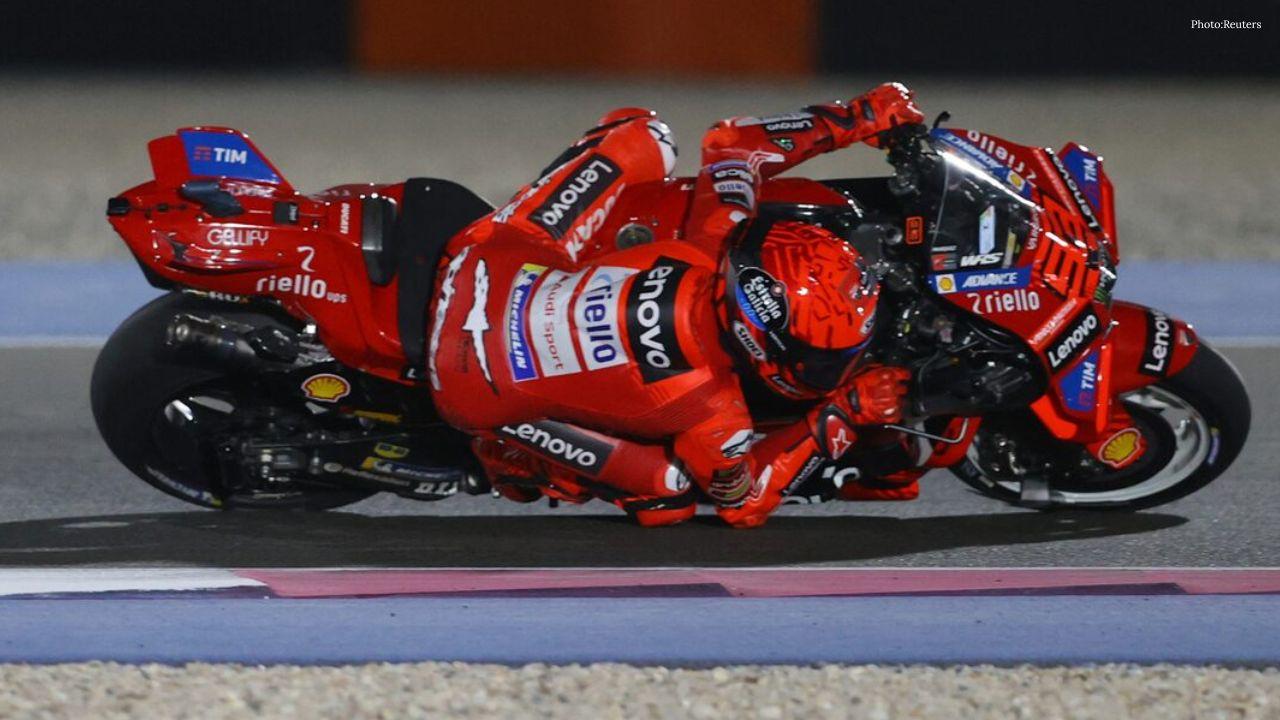
MotoGP Qatar GP to Proceed Despite Regional Tensions and Safety Fears
MotoGP Qatar GP is scheduled for November 6-8 despite regional tensions, as Alex Marquez questions s