You have not yet added any article to your bookmarks!
Join 10k+ people to get notified about new posts, news and tips.
Do not worry we don't spam!
Post by : Rohit Dhiman
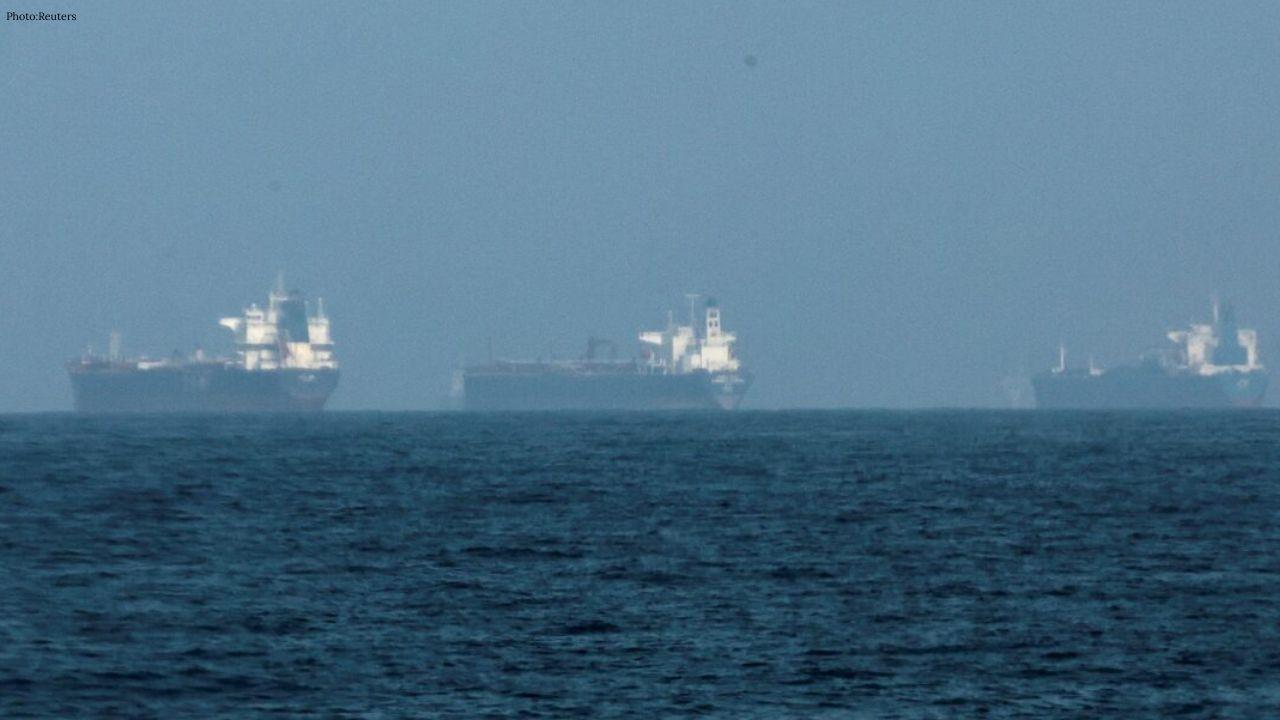
The conflict between Iran and the United States has entered a dangerous new phase after both sides carried out a major series of attacks involving oil tankers and commercial vessels around the Strait of Hormuz. Iran said it had attacked 10 ships after the United States destroyed five Iranian oil tankers, marking one of the biggest waves of attacks on shipping since the war began six months ago. The latest escalation has immediately affected international energy markets. Brent crude oil moved above $100 a barrel for the first time since July as traders assessed the possibility of prolonged disruption around one of the world's most important energy routes. The situation has also increased concerns about global oil prices, fuel costs and the safety of commercial vessels operating in the Gulf region.
The United States said it had destroyed five Iranian oil tankers during overnight operations. US officials released footage showing several vessels on fire before they sank. US Central Command said the attacks were carried out in response to missile attacks that Iran's Islamic Revolutionary Guard Corps had allegedly launched against an American naval vessel on two occasions during the previous two days. Washington has indicated that attacks on Iranian tankers could become part of a wider retaliation policy. US Secretary of State Marco Rubio said that Iran would face further consequences if it continued attempting to attack American naval forces. The US position is that its tanker operations are intended to deter further attacks against American ships operating in the region.
Iran responded by announcing a much wider series of attacks. The Islamic Revolutionary Guard Corps said it had targeted two US vessels and eight oil tankers attempting to pass through an area of the Strait of Hormuz that Tehran had declared off limits. Iran has also warned commercial shipping companies that the restricted zone around the waterway could be expanded. The Iranian military says it is using more advanced missiles against US vessels and has threatened to make passage increasingly difficult for ships that attempt to enter the restricted area. The competing claims from Washington and Tehran have made it increasingly difficult to determine the full scale of damage caused to commercial shipping.
The United Kingdom Maritime Trade Operations agency reported receiving information about several merchant ships being affected by disabling fire in the northern Gulf and the Gulf of Oman. The reports covered areas on both sides of the Strait of Hormuz. Officials said they were still assessing the situation and had not immediately confirmed the number of casualties or the possible environmental consequences. Another vessel was reportedly listing after being struck by a projectile near Port Rashid in the United Arab Emirates. A listing ship can indicate serious structural damage or water entering the vessel.
The attacks have had an immediate impact on energy markets. Brent crude climbed above the $100-per-barrel level as traders worried that continued fighting could restrict supplies from the Middle East. The Strait of Hormuz is particularly important because a significant share of the world's oil traditionally passes through the waterway. Any prolonged disruption could therefore affect not only producers and shipping companies but also consumers around the world. Higher crude prices can eventually translate into increased costs for petrol, diesel, transportation, manufacturing and other goods. In the United States, the politically sensitive average retail price of diesel reached a new record of more than $5.94 per gallon, according to the report.
The Strait of Hormuz is one of the most strategically important maritime routes in the world. It connects the Persian Gulf with the Gulf of Oman and the wider Arabian Sea. Before the conflict, roughly one-fifth of global oil supplies moved through the waterway. Any prolonged reduction in traffic can therefore create serious uncertainty in international energy markets. Iran has significantly restricted traffic through the strait since the war intensified. The United States, meanwhile, has imposed a blockade on Iranian ports and says it has helped guide a number of tankers through the waterway. However, independent monitoring of shipping activity has become more difficult because fewer vessels are transmitting their positions.
The confrontation has not remained limited to maritime targets. Iran also said it launched ballistic missiles toward a military base used by US forces near Al Azraq in eastern Jordan. Iranian officials claimed that the attack caused significant damage. Jordan, however, said its air defence systems intercepted 18 of the 20 missiles. The remaining missiles reportedly landed in areas without civilian populations.
A US official also said the Iranian attack was ineffective and that all American personnel at the location had been accounted for.
The incident nevertheless demonstrates how the conflict is spreading beyond the immediate waters around the Strait of Hormuz.
The latest attacks have been accompanied by increasingly strong warnings from both governments. Iran has threatened to expand the area around the Strait of Hormuz where shipping is restricted. Tehran says vessels entering the designated area could become targets. Washington has responded by maintaining pressure on Iranian shipping and energy infrastructure. The exchange of threats has created a difficult environment for commercial operators. Shipping companies must now consider not only the normal risks of navigating the Gulf but also the possibility of missile attacks, drone strikes, fires and military blockades. Insurance costs and freight rates could also rise if companies believe that the security situation will remain unstable.
The shipping crisis is becoming even more complicated because fighting has also intensified between Saudi Arabia and the Iran-aligned Houthis in Yemen. The Houthis control large parts of Yemen and have expanded their attacks on shipping and regional targets during the conflict. On Tuesday, the group launched attacks against four Saudi Arabian cities. The strikes reportedly caused major fires at oil facilities that were visible from space.
Saudi Arabia subsequently issued a warning about a possible threat to Khamis Mushait, one of the cities targeted the previous day. The alert was later withdrawn without further details. The renewed Saudi-Houthi confrontation creates another potential threat to Middle Eastern energy infrastructure.
The Houthi attacks are particularly significant because the group has previously targeted commercial shipping routes around the Red Sea. The latest escalation has expanded the potential disruption from the Gulf region toward the other side of the Arabian Peninsula. This raises concerns about two major maritime routes being affected at the same time: the Strait of Hormuz and the Red Sea corridor. If shipping companies are forced to avoid both routes, vessels could face longer journeys, higher fuel consumption and increased insurance costs. Such developments could place additional pressure on international supply chains.
Read Also: Kimi Raikkonen's Son Robin Joins Red Bull Driver Development Programme
The growing attacks on tankers have created uncertainty for the global oil market. Oil traders are closely monitoring how many ships can safely leave Gulf ports and how much crude can move through the Strait of Hormuz. If the disruption continues, oil supplies could tighten and prices could remain elevated. The consequences would not be limited to the energy industry. Higher oil prices can increase transportation expenses and raise production costs for businesses that depend heavily on fuel. Consumers could eventually see the impact through higher prices for fuel, transportation and various everyday products.
Commercial shipping operators now face difficult choices over whether to continue using the region's major maritime routes. Companies may decide to delay voyages, change routes or wait for clearer security guarantees before sending vessels through areas considered dangerous. However, avoiding the region can also be expensive. Longer alternative routes require additional fuel and time, while vessels may also need to pay higher insurance premiums because of increased security risks. The uncertainty is particularly serious for oil and gas companies because their businesses depend on predictable access to major export routes.
The future of shipping through the Strait of Hormuz will depend heavily on whether the United States and Iran continue their current cycle of retaliation. If attacks remain limited, shipping activity could gradually recover once companies receive stronger security assurances. However, a broader military confrontation could create a much more serious international energy crisis. A prolonged blockade or sustained attacks on tankers could reduce the amount of crude reaching global markets and potentially push oil prices significantly higher. Governments and energy companies are therefore closely watching developments in the Gulf, while shipping operators assess whether vessels can safely continue using the region's traditional routes.








Kimi Raikkonen's Son Robin Joins Red Bull Driver Development Programme
Kimi Raikkonen's son Robin joins the Red Bull Junior Team, marking a major step in his karting caree

Lionel Messi Agrees Deal to Buy Spanish Second-Tier Club Eldense
Lionel Messi agrees to buy Spanish club Eldense as he expands his football ownership portfolio with

Santner rejects BBL deal to focus on New Zealand schedule
Mitchell Santner rejects a lucrative BBL deal to focus on New Zealand cricket, captaincy and upcomin

New Zealand Focus on Discipline After South Africa Loss
New Zealand targets better discipline and defence after losing to South Africa, with the All Blacks

Joe Root Welcomes Kevin Pietersen's Return to England Setup
Joe Root welcomes Kevin Pietersen's return to the England team as a mentor ahead of the 2027 World C

Japan Ambassador Takes Holy Dip in Ganga During Rishikesh Visit
Japan Ambassador Ono Keiichi visited Rishikesh, took a holy Ganga dip and joined the Ganga aarti, ca