
You have not yet added any article to your bookmarks!
Join 10k+ people to get notified about new posts, news and tips.
Do not worry we don't spam!
Post by : Anis Farhan
Before there were printed books or digital archives, before keyboards and cloud storage, Southeast Asians recorded their stories, beliefs, and identities in a place no colonizer could easily erase — their own skin.
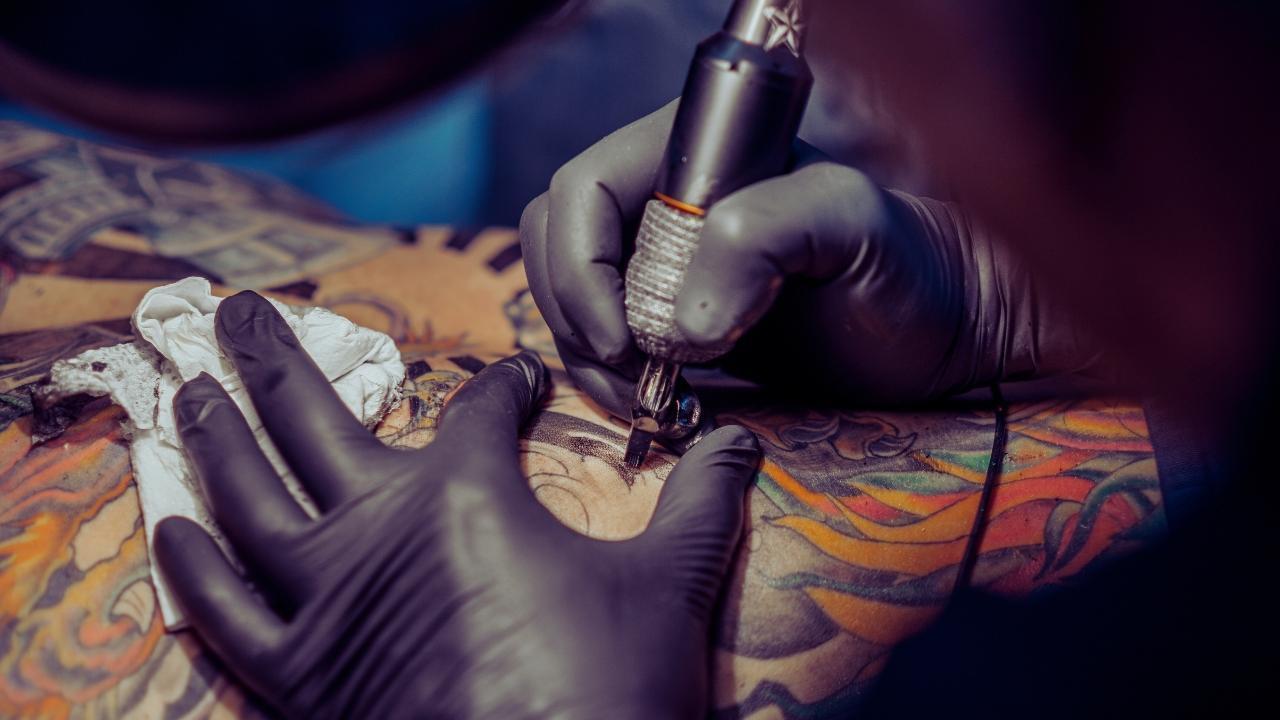
Across the mountains of northern Luzon, the forests of Borneo, the rice fields of northern Thailand, and the shores of Myanmar, tattooing has existed for thousands of years. These weren't mere decorations. Tattoos were scripts, protection charms, status symbols, and rites of passage — often written in now-endangered languages or spiritual iconographies.
Today, as Southeast Asia races toward the digital age, a cultural revival is bringing these ancient tattoo traditions back into view. Artists, anthropologists, and descendants are collaborating to decode the lost languages of the skin — and in doing so, reclaiming a history nearly erased by colonization, modernization, and religious assimilation.
In pre-colonial Southeast Asia, tattooing wasn’t just widespread — it was institutional. Each region had distinct systems of tattoo meanings, symbols, and techniques:
The Philippines: Tribes like the Kalinga, Ifugao, and Manobo used tattoos as status markers — warriors earned marks through battle, while women wore intricate patterns to signify beauty, maturity, or lineage. Many designs were accompanied by Baybayin, an indigenous script.
Thailand and Cambodia: Sak Yant tattoos, composed of sacred geometry and ancient Khmer or Pali script, were believed to provide strength, charm, or spiritual protection. Monks and warriors both wore them as spiritual armor.
Borneo (Malaysia and Indonesia): Indigenous Dayak people used tattoos as visual diaries — each pattern recorded travel, life milestones, and spiritual growth. The motifs referenced plants, animals, or celestial patterns, often guided by oral tradition.
Myanmar: The Chin women famously bore facial tattoos — a practice misunderstood by outsiders but deeply rooted in cultural identity and resistance.
These tattoos often carried linguistic elements — scripts, glyphs, or symbols — that spoke volumes without sound. With the suppression of indigenous languages and oral histories, many of these tattoos became mysteries waiting to be reinterpreted.
The arrival of Western colonizers in the 16th to 19th centuries brought sweeping bans on tattooing. Christian missionaries in the Philippines, British administrators in Burma, and French authorities in Indochina viewed body art as "pagan," "savage," or incompatible with "modern civilization."
Local ruling classes, eager to appease foreign powers or adopt European norms, abandoned or outlawed ancestral tattooing. In many places, speaking native languages or practicing indigenous rites — including tattooing — became criminalized.
By the mid-20th century, ancient ink practices had nearly vanished from urban centers. Only remote communities, shielded by geography, held on to the traditions — often in secrecy.
Over the last two decades, a powerful countercurrent has emerged. Driven by decolonization movements, cultural pride, and heritage tourism, Southeast Asians are now reviving traditional tattoo practices — not as trends, but as reclamation.
In Buscalan, Philippines, 77-year-old Apo Whang-Od — the last traditional Kalinga tattooist — has become a global icon. Using thorn needles and bamboo sticks, she inks geometric patterns onto thousands of pilgrims who visit her village, seeking a connection to ancestral identity.
Thailand’s Sak Yant masters, often monks or former warriors, are being rediscovered by younger generations. Foreign tourists also travel to temples like Wat Bang Phra to receive tattoos steeped in Buddhist mysticism — sparking both appreciation and debate over cultural appropriation.
In Borneo, tattoo festivals are reviving Dayak symbols and languages through performance, scholarship, and contemporary artistry. Young artists are blending ancient designs with modern ink techniques, reinterpreting them in a world where body, language, and identity intersect like never before.
One of the most poignant aspects of this revival is the attempt to preserve and reintroduce endangered indigenous languages through tattoo art. Scripts once carved into bamboo or sung in ritual are now being etched into skin.
Baybayin (Philippines): A pre-colonial script now being re-learned and inked by Filipinos as a mark of cultural pride. Tattooists and linguists collaborate to ensure accuracy in glyphs, avoiding misuse or aesthetic-only renditions.
Old Khmer and Lanna scripts (Thailand, Cambodia): These are used in Sak Yant tattoos but are now being contextualized with historical knowledge to protect against religious misinterpretation.
Bugis and Dayak glyphs (Indonesia, Malaysia): Rarely taught in schools, these scripts are now being archived and celebrated through body art, storytelling, and digital preservation.
By reclaiming these visual languages, artists are not just preserving words — they’re reviving worldviews that were almost lost to time.
In this cultural resurgence, the tattooist is no longer just an artist — they are a historian, spiritual guide, and language activist. The process of tattooing now often involves:
Genealogical consultation to trace a person’s ethnic or tribal roots
Script translation to ensure authenticity
Oral storytelling to pass down the symbolism behind each motif
Some artists partner with anthropologists, archivists, or elders to validate their designs and avoid commercial misrepresentation. The result is not just ink on skin, but a deeply personal and communal act of preservation.
With global interest in Southeast Asian tattoos growing, however, there are tensions:
Tourist commodification: Some fear the sacred has become souvenirized. Getting a Sak Yant from a tourist shop in Bangkok lacks the ritual depth of temple practice.
Appropriation without context: Western celebrities sporting tribal tattoos often do so without understanding their cultural weight, raising questions about respect and ownership.
Dilution of symbols: As designs are commercialized, their original meanings can be lost or misused, weakening their cultural integrity.
In response, many artists now refuse to tattoo sacred symbols on those who don’t share or respect their meaning — a form of modern cultural gatekeeping.
Southeast Asia’s tattoo revival isn’t just about art — it’s about language revival, identity politics, and historical redress. In a time where globalization often blurs cultural edges, tattoos are offering young Southeast Asians a visceral, personal link to ancestry, tradition, and forgotten tongues.
Digital platforms are also helping. Instagram accounts, archive projects, and virtual workshops are connecting diaspora communities to their roots. Tattoo studios in Los Angeles, Sydney, and Dubai now specialize in Filipino tribal ink, Thai Sak Yant, or Borneo scriptwork — making the cultural conversation global.
For many, each line, dot, or glyph is a declaration: “I know who I am, and I know where I come from.”
This article is part of Newsible Asia’s “Cultural Heritage & Identity” series. It is intended for educational and informational purposes only. Cultural tattoo practices vary widely and often carry sacred meanings. Readers are advised to engage with qualified practitioners and respect indigenous protocols when exploring traditional tattoo arts.










PM Modi Pays Tribute to Mahatma Gandhi, Urges People to Support Khadi
PM Modi pays tribute to Mahatma Gandhi on Gandhi Jayanti and urges citizens to support Khadi and the

Amazon Seeks to Offload $8 Billion in Nvidia Chips to Investors
Amazon plans to move $8 billion in Nvidia chips to investors, using a new financing model to strengt

Samsung Raises Galaxy S26 Prices as Memory Chip Costs Rise
Samsung raises Galaxy S26 prices in South Korea as rising memory chip costs put pressure on smartpho

Lewis Hamilton Calls Singapore Grand Prix One of F1's Toughest Races
Lewis Hamilton discusses the demanding Singapore Grand Prix and brings Plus44 and Almave to Singapor

Denmark's Pandora Opens World's Largest Jewellery Factory in Vietnam
Pandora opens its largest jewellery factory in Vietnam, expanding global production, strengthening s

Gautam Gambhir Questions Batting-Friendly Pitches After India's Record ODI Chase
Gautam Gambhir questions batting-friendly ODI pitches after India’s record chase, calling for a bett

