You have not yet added any article to your bookmarks!
Join 10k+ people to get notified about new posts, news and tips.
Do not worry we don't spam!
Post by : Anis Farhan
Photo: Reuters
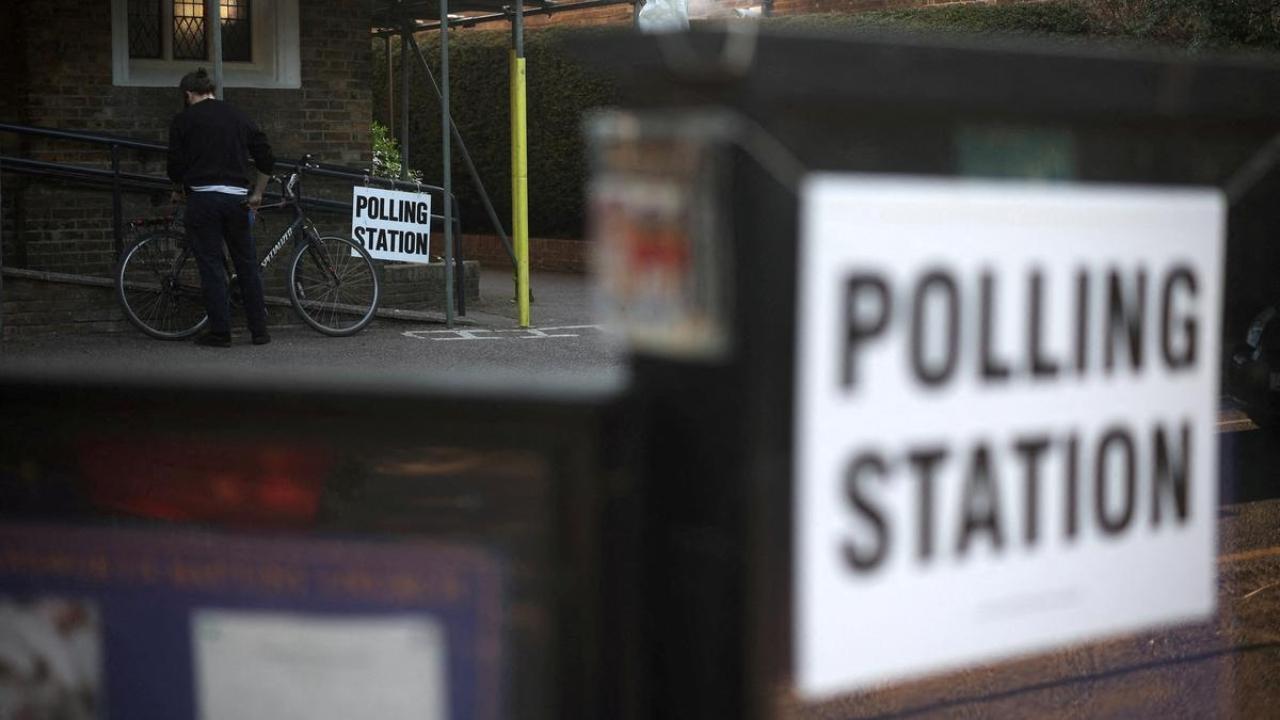
The United Kingdom has taken a decisive step toward reshaping its democratic system by announcing a landmark policy to reduce the voting age from 18 to 16. The government unveiled the proposal on July 17, 2025, presenting it as part of a comprehensive reform strategy intended to strengthen democratic participation and address declining voter turnout rates. With this move, the UK aims to reinvigorate its electoral process by giving younger citizens a direct voice in national politics. The change is set to be implemented before the next general election, with government sources indicating it will be part of the upcoming Elections Bill to be introduced later this year.
The proposal to lower the voting age is a response to a significant and sustained drop in voter turnout in recent years. The most recent general election in 2024 recorded a turnout of just under 60 percent, marking the lowest participation rate since 2001. Prime Minister Keir Starmer and key government officials have argued that addressing this worrying trend requires bold and inclusive reforms. By enfranchising 16- and 17-year-olds, the government aims to engage citizens at a younger age, encouraging lifelong habits of political involvement and civic responsibility.
Supporters of the reform highlight the many responsibilities already placed on individuals aged 16 and 17. In the UK, young people at this age are legally permitted to work full-time, pay taxes, consent to medical treatment, and enlist in the military with parental consent. Given these responsibilities, proponents argue it is only logical that they should also have a say in the policies and leaders who govern the country. The Labour-led government views this measure as a way to empower young people, providing them with the tools to participate fully in the democratic process and have their interests represented in Parliament.
The decision to lower the voting age follows precedents already established within the UK’s devolved administrations. Scotland lowered the voting age to 16 for its parliamentary and local elections in 2015, followed by Wales in 2020. These changes have been generally well-received, with studies indicating that 16- and 17-year-olds in these regions have shown equal or even higher levels of political engagement compared to older first-time voters. By expanding the franchise to younger citizens across England and Northern Ireland, the UK government seeks to create a more consistent and equitable voting system throughout the country.
In addition to lowering the voting age, the new electoral reform package includes several complementary measures designed to make voting more accessible and secure. One of the key elements is the introduction of automatic voter registration. This system will streamline the registration process by integrating voter rolls with government databases, ensuring eligible citizens are automatically added to the electoral register without the need for individual applications. This measure is expected to significantly reduce administrative errors and increase voter participation by removing unnecessary barriers.
Another major component of the reform is the expansion of acceptable voter identification options. The government plans to widen the range of ID types accepted at polling stations, including digital IDs, bank cards, and veterans’ identification cards. This policy is designed to address criticism of the previous photo ID requirements, which opponents argued disproportionately disenfranchised certain voter groups, particularly young people and economically disadvantaged individuals. By making the voting process more accessible, the government hopes to enhance inclusivity and fairness in elections.
Further reforms target political donations and campaign finance regulations. The government intends to implement stricter rules to prevent foreign interference in UK elections by banning political donations from shell companies with no genuine commercial presence in the UK. Donors will be required to demonstrate legitimate business operations within the UK or Ireland, and violations could result in fines of up to £500,000. These measures aim to strengthen transparency in political funding and restore public confidence in the electoral system’s integrity.
Candidate protections will also be enhanced under the proposed reforms. New regulations will be introduced to prevent the publication of candidates' private addresses on campaign materials, a move intended to protect individuals from harassment and intimidation. In cases of serious abuse, individuals found guilty of threatening or intimidating candidates could be barred from standing for public office in future elections. The government believes these protections are essential to encouraging a wider and more diverse range of individuals to participate in the political process.
Reactions to the proposed voting age reduction have been mixed. Youth organizations and advocacy groups have broadly welcomed the move, praising it as a long-overdue recognition of young people’s role in society. Many political reform advocates have argued that empowering younger citizens to vote will help ensure that their perspectives and concerns are reflected in national policymaking. Groups campaigning for the rights of young people have pointed out that issues such as climate change, education reform, and employment opportunities disproportionately affect younger generations, making it crucial for them to have a voice in determining the country's future direction.
However, opposition parties, particularly the Conservatives and Reform UK, have expressed skepticism about the policy’s motivations. Critics have argued that the move is a calculated attempt by the Labour government to expand its voter base, noting that younger demographics tend to lean towards progressive policies. Some politicians have also questioned the appropriateness of lowering the voting age while maintaining higher age thresholds for other rights and responsibilities, such as drinking alcohol or standing for public office. These opponents have warned that the reform could create inconsistencies in the legal treatment of young people.
Despite the opposition, the government remains committed to advancing the legislation. Government ministers have emphasized that the electoral reforms are designed not just to benefit any particular party, but to strengthen democratic participation across the board. They argue that giving young people a stake in the political system will foster greater civic responsibility and engagement, which is essential for the long-term health of democracy.
Implementation of the new policy is expected to involve significant logistical efforts, including updating electoral rolls, adapting voting systems to accommodate new voters, and introducing public education campaigns to ensure young voters understand their rights and responsibilities. The government also plans to expand civic education programs in schools to equip students with the knowledge and skills needed to participate meaningfully in elections. By combining voting rights reform with educational initiatives, officials hope to create a more informed and active electorate.
With this landmark decision, the United Kingdom joins a growing number of countries that have embraced lower voting ages. Nations such as Austria, Brazil, and Ecuador have already extended voting rights to 16-year-olds, and studies from these countries suggest that younger voters are capable of making informed and responsible electoral choices. Supporters of the reform believe that similar positive outcomes can be achieved in the UK.
If successfully passed by Parliament, the proposed legislation will represent one of the most significant changes to the UK’s electoral system in recent history. By enfranchising younger citizens and modernizing electoral practices, the government hopes to revitalize democratic participation and ensure that future elections more accurately reflect the views of the entire population. While political debate over the issue will likely continue, the move marks a decisive step towards a more inclusive and representative democratic process in the United Kingdom.









Rabada Misses First Australia Test as South Africa Pick Two Spinners
Kagiso Rabada misses the opener as South Africa vs Australia begins, with Anrich Nortje returning an

Starc Compares Australia's Tough Year to McIlroy's Major Sweep
Mitchell Starc says Australia winning three away Test series and the World Cup would match Rory McIl

France’s Sesterce Plans $11 Billion AI Data Centre in Finland
Sesterce plans a $11 billion AI data centre in Finland, with major expansion, green energy plans and

Danaher to Launch AI-Powered Autonomous Research Lab in 2027
Danaher plans an AI research lab for 2027, combining robotics and automation to speed up drug discov

Musk Welcomes German Support for Tesla Driver Assistance Tech as EU Approval Push Continues
Elon Musk welcomes Germany's backing for Tesla FSD as the company seeks EU approval amid speed, safe

Microsoft and Nvidia CEOs to Unveil AI Laptop at San Francisco Event
Microsoft and Nvidia showcase a new AI laptop with RTX Spark chips as they push powerful local AI co