You have not yet added any article to your bookmarks!
Join 10k+ people to get notified about new posts, news and tips.
Do not worry we don't spam!
Post by : Saif Rahman
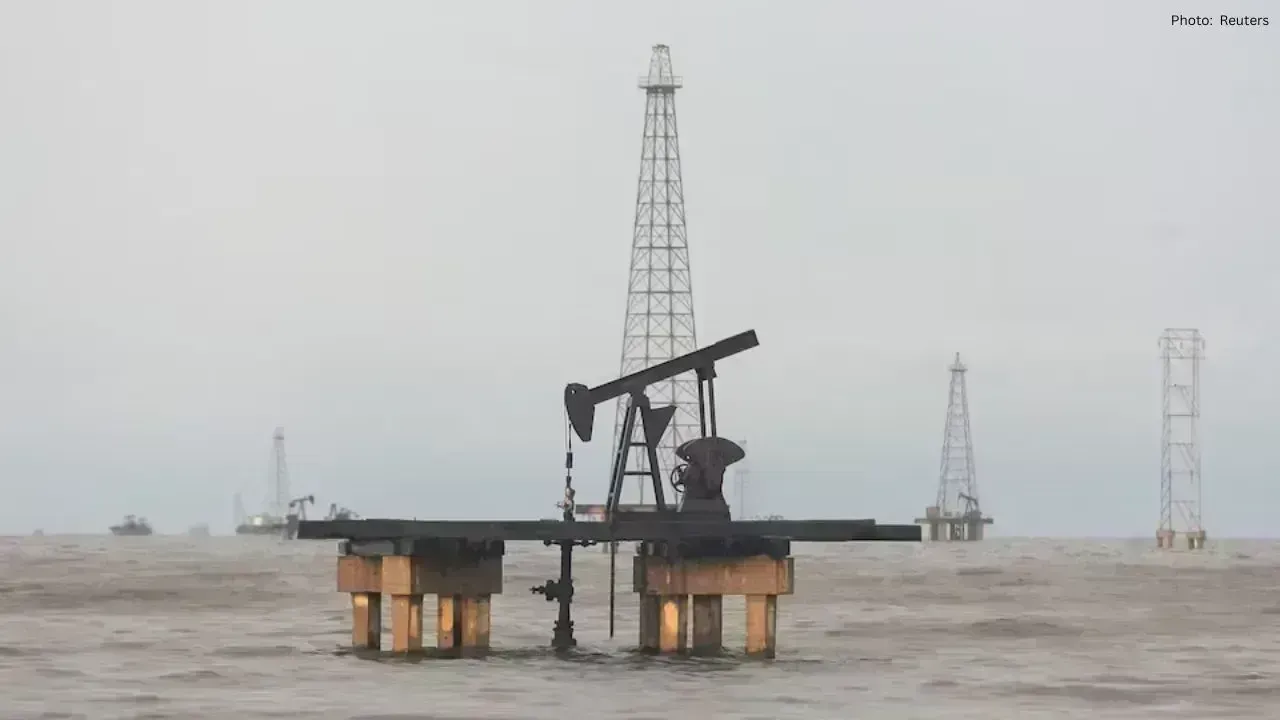
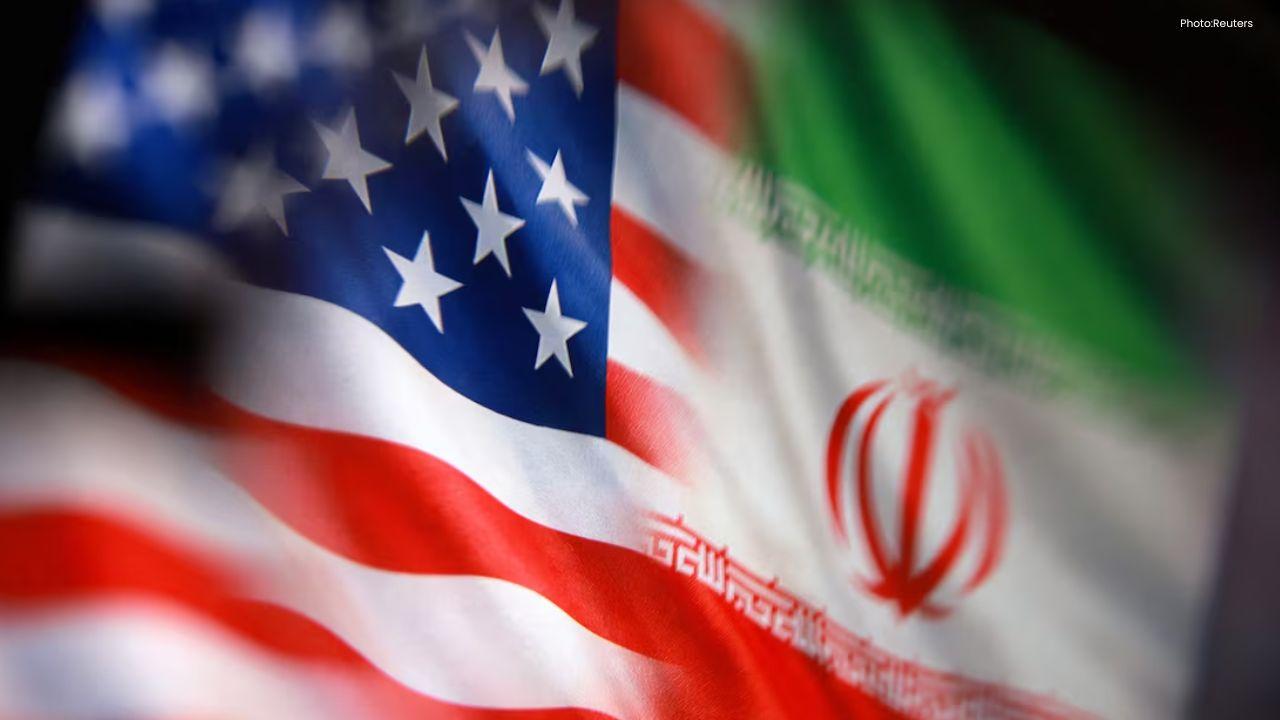
A recent oil agreement between the United States and Venezuela has triggered significant global reactions, infuriating China and resulting in a decline in oil prices. This deal illustrates a major realignment in energy distribution and emphasizes the influence of politics on the global oil landscape.
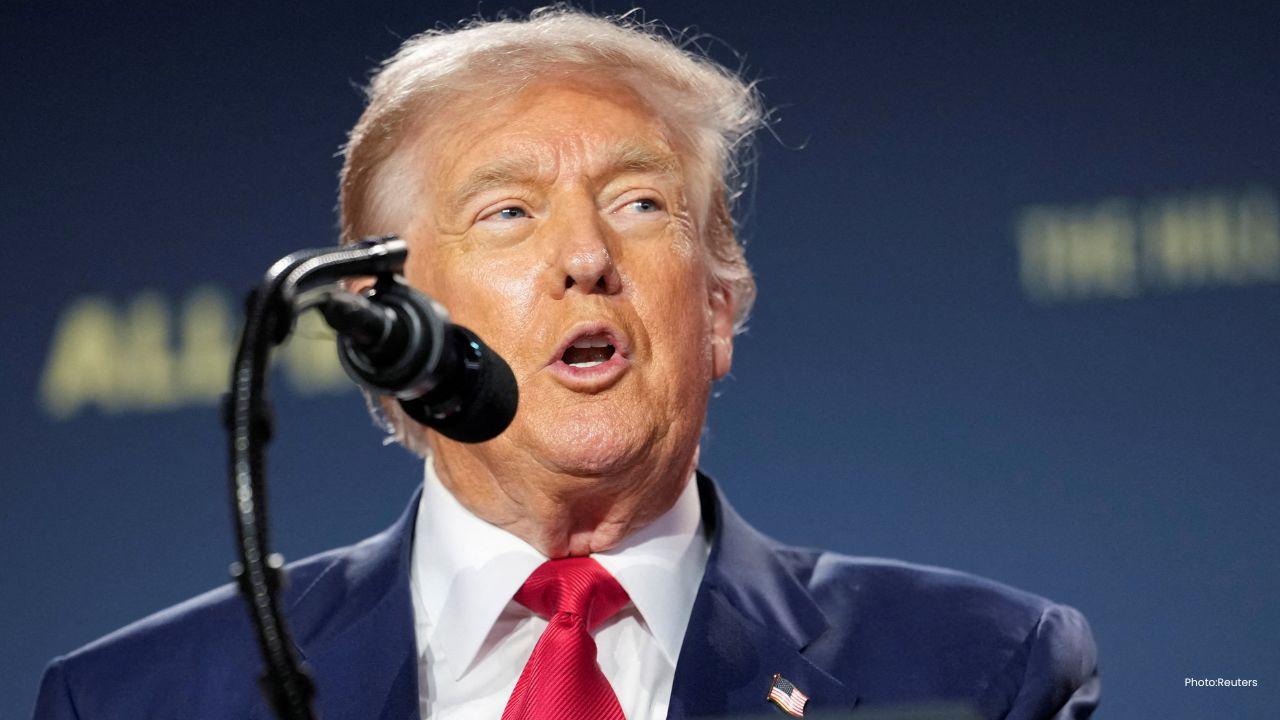
In a deal unveiled by President Donald Trump’s administration, the U.S. intends to import and refine up to 50 million barrels of Venezuelan crude. Previously stagnant due to U.S. sanctions, this oil is set to be sold at current market rates. Trump stated that the earnings will be governed by the U.S. government to benefit both American and Venezuelan populations.
The announcement triggered immediate shifts in global financial markets. Oil prices fell by approximately 1 percent as traders anticipated increased supply entering the market. Investors think that even a limited return of Venezuelan oil could alleviate pressure on worldwide supplies.
China responded vigorously to the agreement. As Venezuela’s biggest oil purchaser for several years, Beijing accused Washington of intimidation and flouting international law. Chinese officials asserted that the U.S. action undermines Venezuela’s sovereignty and adversely affects the Venezuelan populace. Alongside Russia and other allies, China has already denounced the U.S. military actions that led to the apprehension of Venezuelan leader Nicolás Maduro.
This oil agreement follows the U.S. capture of Maduro, who has been brought to the U.S. to address narcotics-related accusations. While Maduro's allies continue to hold significant power within the government, interim President Delcy Rodriguez is striving to navigate public discontent following Maduro's arrest while managing pressure from Washington for compliance.
Trump has emphasized that oil is a cornerstone of his approach towards Venezuela, focusing on revitalizing the nation’s oil industry with assistance from U.S. companies, while deemphasizing immediate political reforms or elections. Although Venezuela has not publicly confirmed the oil deal, there appear to be preparations for rerouting shipments that were initially scheduled for China.
The situation has raised alarm bells among U.S. allies, many of whom are concerned about the precedent set by the capture of a foreign leader and the escalating use of force for economic gain. Countries like China and Russia view the oil deal as part of a broader U.S. initiative to extend its influence within Latin America.
In Venezuela, opposition leaders find themselves marginalized. Prominent opposition figure Maria Corina Machado is advocating for new elections but prioritizes stability above all. The U.S. has cautioned senior Venezuelan officials that noncompliance could result in severe repercussions, including sanctions and legal action.
Additionally, the U.S. is urging Venezuela to ease its connections with China, Russia, Cuba, and Iran. This demand adds yet another layer of tension to the already precarious state of affairs as Venezuela works on reviving its economy after years of decline.
The U.S.-Venezuela oil agreement illustrates the intricate links between energy, politics, and power. Although this agreement might provide short-term stability for oil markets, it has also unveiled new global divisions that could influence energy dynamics and diplomatic relations for years ahead.


China’s Tiangong Sets New 400m Record at Robot Olympics
China’s Tiangong robot sets a new 400m record at the Robot Olympics, beating a South African robot i

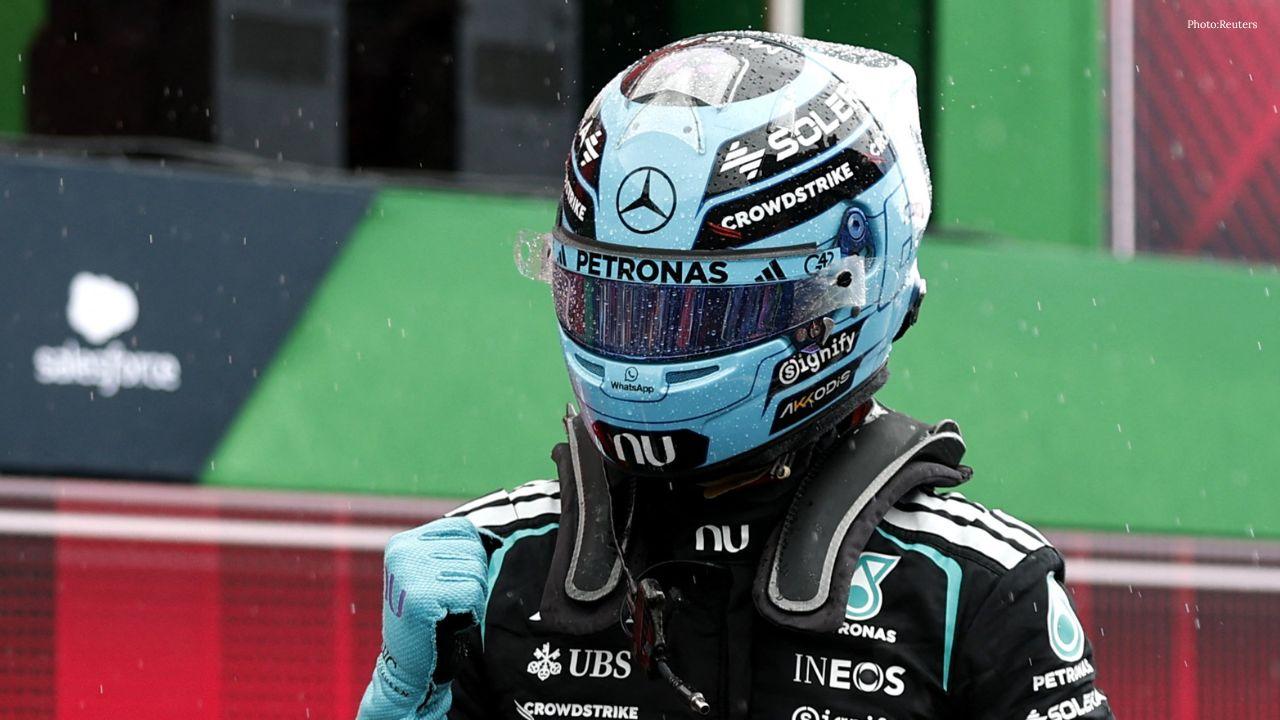
George Russell Wins Dutch GP Sprint, Boosts Mercedes Morale
George Russell wins the Dutch GP Sprint from pole as Mercedes teammate Kimi Antonelli extends his F1

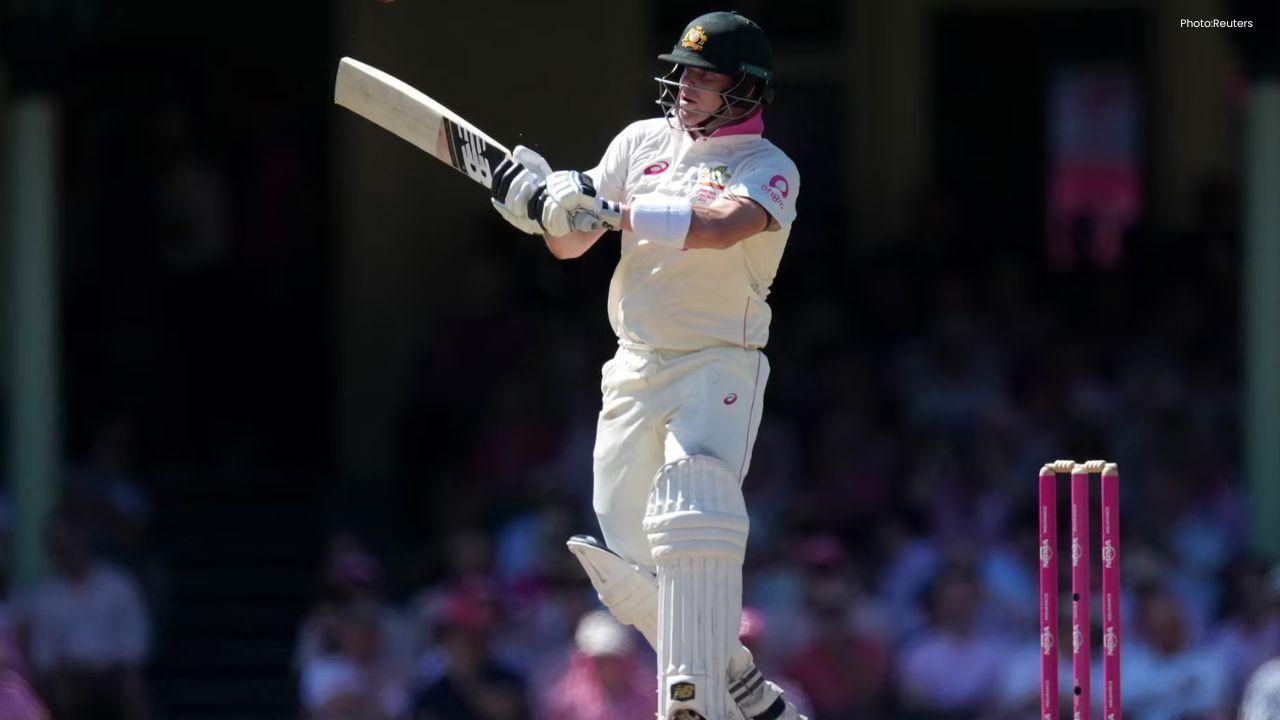
Australia 50/3 After Bangladesh Bowled Out for 64 in Second Test
Australia reached 50/3 after Bangladesh were bowled out for 64 in the second Test, with Mitchell Sta
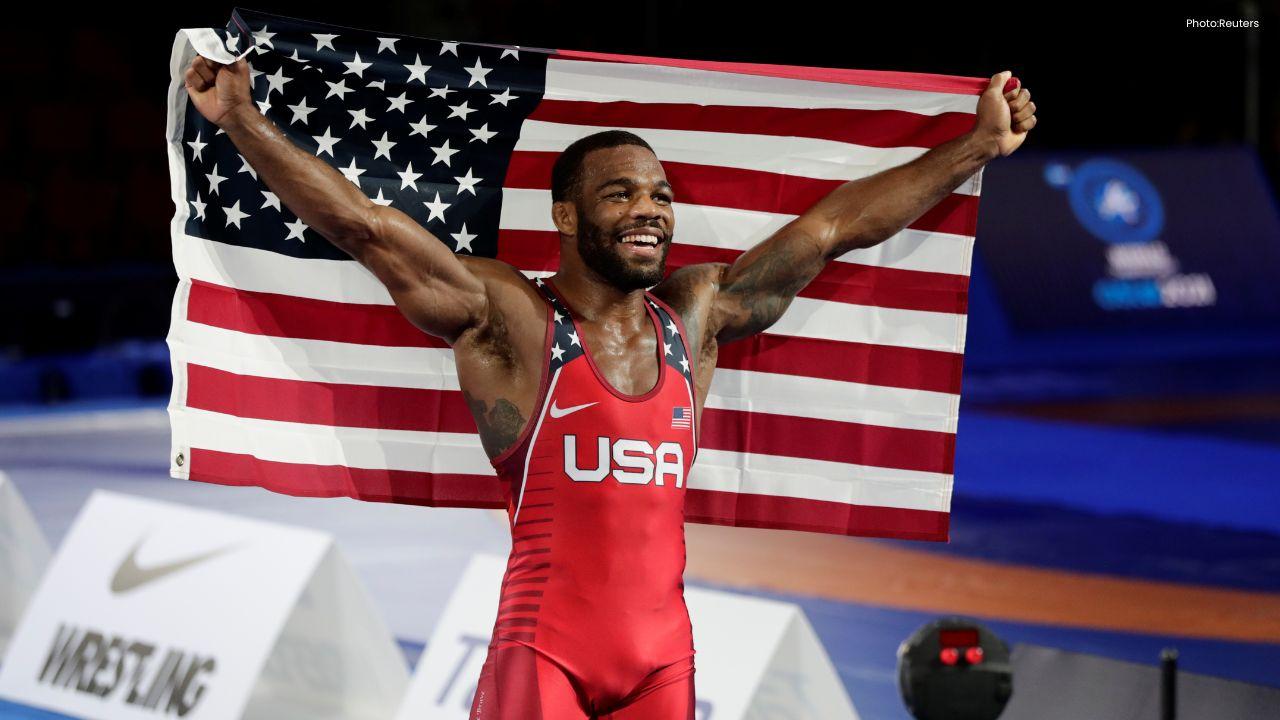
Jordan Burroughs Returns to Wrestling with 2028 Olympic Dream
Jordan Burroughs returns to wrestling with Real American Freestyle as the Olympic champion eyes a po
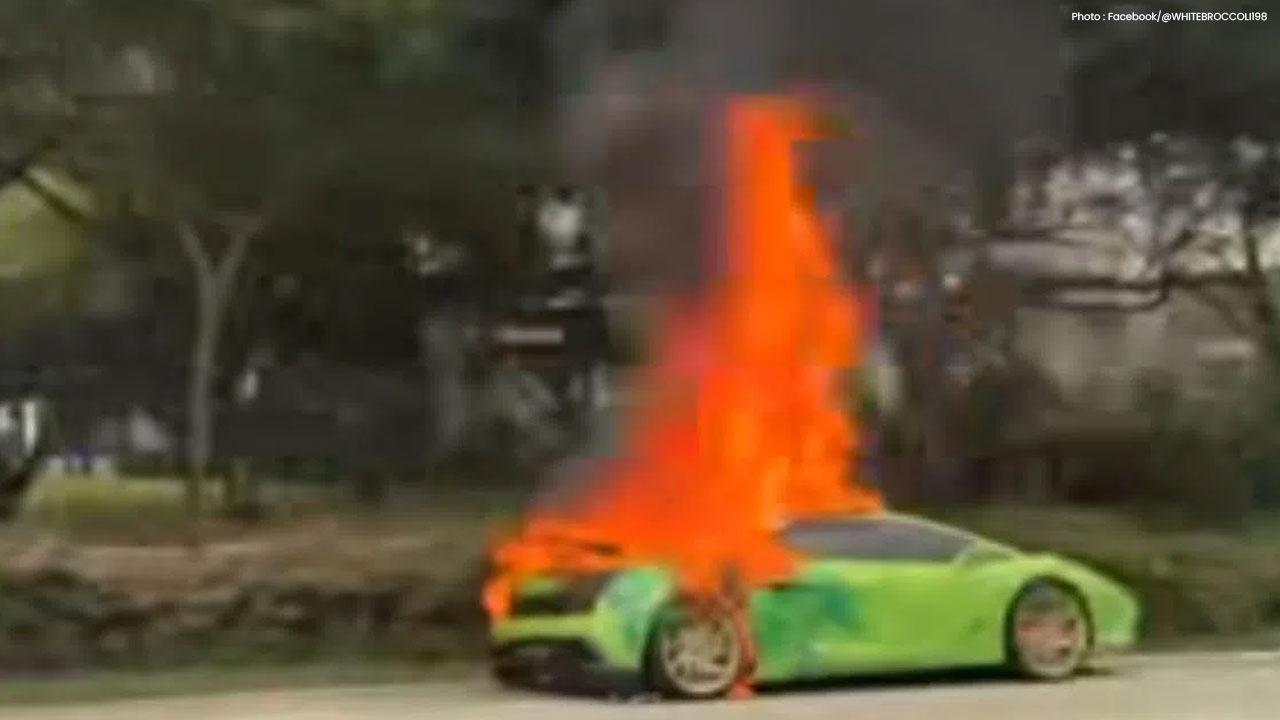
Lamborghini Catches Fire on Singapore's ECP, Causing Heavy Traffic
A Lamborghini caught fire on Singapore's ECP, causing heavy traffic and bus delays. No injuries were
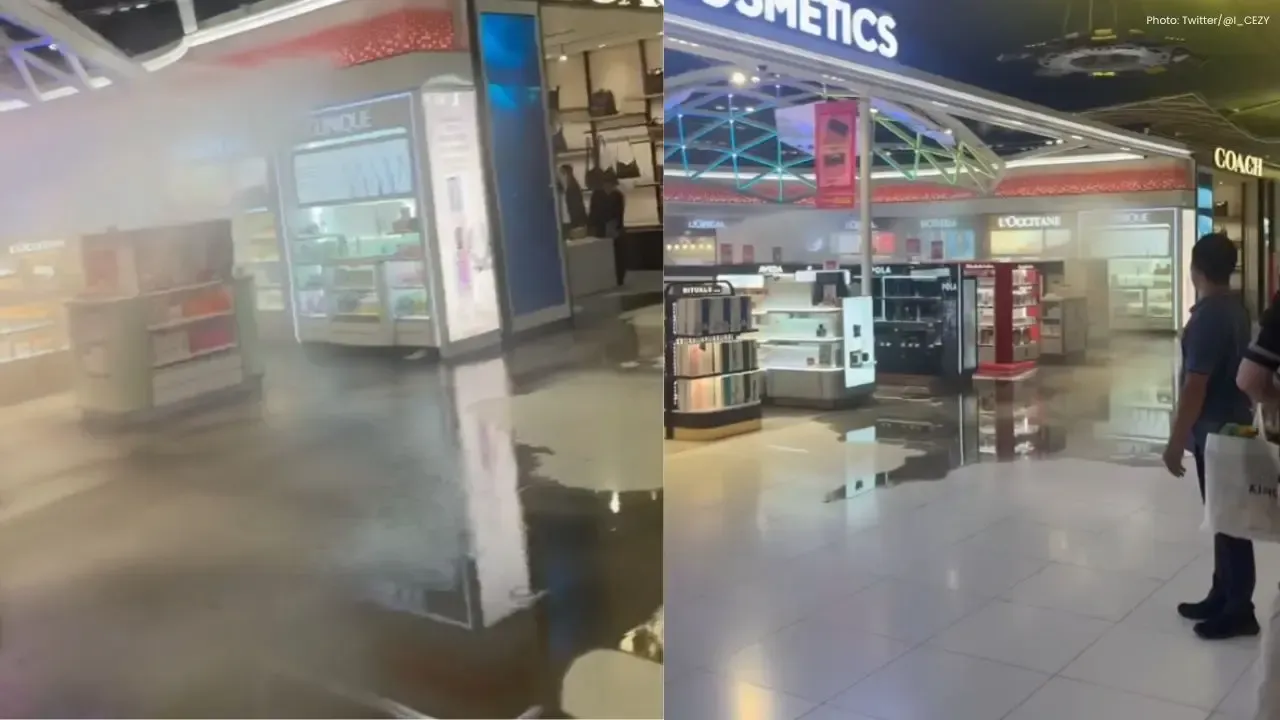
Bangkok Airport Duty-Free Area Flooded by Pipe Burst
A burst water pipe flooded the duty-free shopping area at Bangkok's Suvarnabhumi Airport on July 16,