
You have not yet added any article to your bookmarks!
Join 10k+ people to get notified about new posts, news and tips.
Do not worry we don't spam!
Post by : Saif Rahman
New insights into the ongoing dialogues between the United States and Iran hint at a possible diplomatic shift focused on restricting enriched uranium and establishing temporary maritime provisions linked to regional security. These discussions hold significant implications for not only energy markets but also the geopolitical landscape across the Middle East.
According to reports, officials partaking in these discussions are contemplating the potential for limitations on enriched uranium within a broader framework aimed at easing tensions. Additionally, there might be temporary solutions regarding critical waterways as part of the overall negotiations designed to ensure Gulf region stability and prevent escalation.
This round of talks comes after extended periods of indirect diplomacy between Washington and Tehran, where mediators work to address a range of issues like sanctions, nuclear inspections, and regional security. While no concrete agreement has been announced, optimism grows surrounding a possible limited compromise.
The subject of enriched uranium is particularly contentious, with Western nations expressing ongoing concern regarding Iran’s developing nuclear capabilities. Conversely, Iranian officials maintain that their nuclear initiatives are intended solely for peaceful applications, such as energy production and research.
An agreement that includes uranium limitations could have substantial international ramifications, considering that the nuclear crisis has historically been a major point of conflict between Tehran and Western nations. Previous efforts have faltered due to political rifts and varying regional influences.
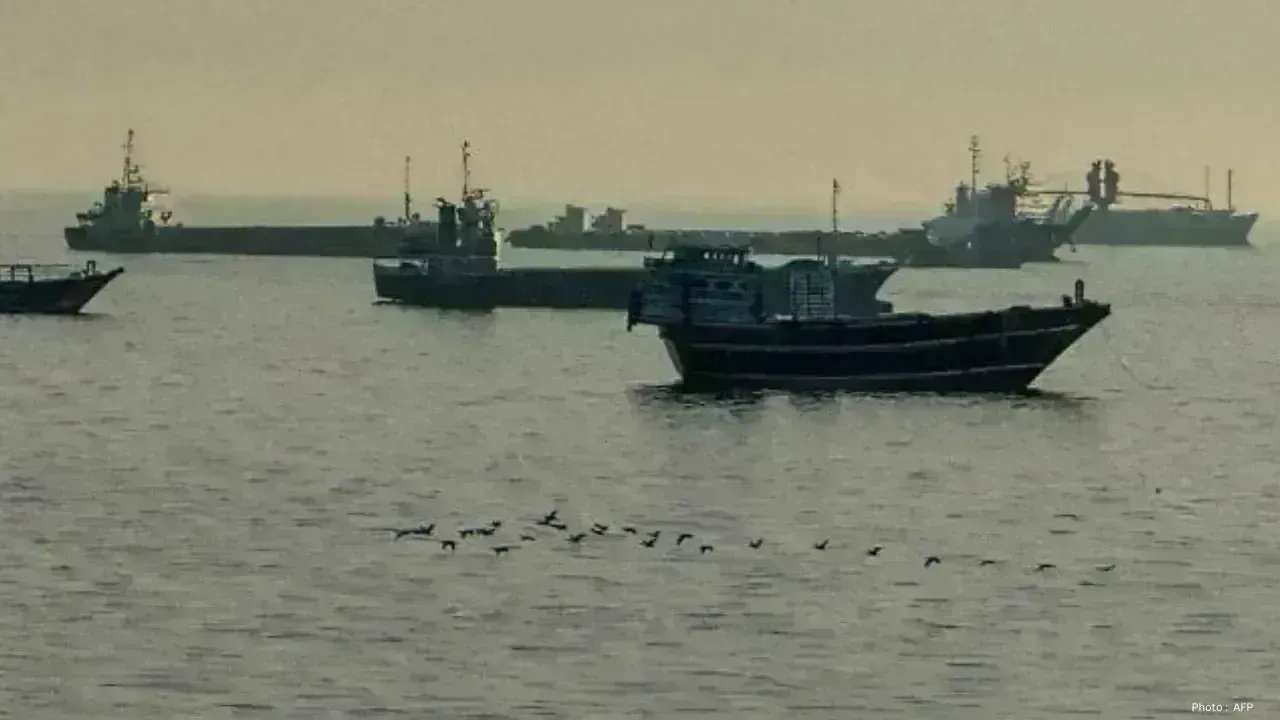
The discussions surrounding maritime access are garnering global attention, as the Gulf remains a crucial artery for energy transport. Developments concerning the security of these strategic routes have potential ripple effects on oil markets, trade, and economic stability across various regions.
Energy markets are closely watching these negotiations, with traders acknowledging that a thaw in relations between Washington and Tehran could lead to shifts in oil exports, shipping operations, and global crude supply forecasts. Even modest diplomatic headway can historically sway market sentiment.
Countries in the region are vigilantly observing progress, aware that any breakthrough could alter political alliances, security measures, and economic planning in the Middle East. Many have consistently called for diplomatic resolutions to circumvent larger conflicts and bolster regional stability.
Despite the promising signs, negotiators still grapple with significant roadblocks, including disputes over sanctions alleviation, verification, and long-term commitments regarding future compliance. Political resistance from hardline factions in both nations complicates these diplomatic initiatives.
Experts suggest that confidence-building steps are essential before a more comprehensive agreement is achievable. Years of political discord and economic sanctions have bred profound mistrust between both governments, rendering each negotiation phase critical.
Nevertheless, current reports indicate that diplomatic engagements remain active despite previous setbacks. Analysts believe that interim agreements may be vital initial steps towards more substantial negotiations in the future.
Furthermore, economic factors are fueling these talks, with Iran facing substantial pressure from sanctions affecting various sectors including trade and oil income. Global powers are equally anxious about regional unrest and energy reliability. A diminishment of tensions could catalyze economic recovery and bolster market confidence throughout the area.
The emerging possibility of diplomatic progress has captured the attention of global stakeholders, including governments, investors, and security experts. Although uncertainties prevail, the latest developments suggest that the US-Iran negotiations are progressing into a crucial phase, with effects likely extending beyond the immediate region.






PM Modi Pays Tribute to Mahatma Gandhi, Urges People to Support Khadi
PM Modi pays tribute to Mahatma Gandhi on Gandhi Jayanti and urges citizens to support Khadi and the

Amazon Seeks to Offload $8 Billion in Nvidia Chips to Investors
Amazon plans to move $8 billion in Nvidia chips to investors, using a new financing model to strengt

Samsung Raises Galaxy S26 Prices as Memory Chip Costs Rise
Samsung raises Galaxy S26 prices in South Korea as rising memory chip costs put pressure on smartpho

Lewis Hamilton Calls Singapore Grand Prix One of F1's Toughest Races
Lewis Hamilton discusses the demanding Singapore Grand Prix and brings Plus44 and Almave to Singapor

Denmark's Pandora Opens World's Largest Jewellery Factory in Vietnam
Pandora opens its largest jewellery factory in Vietnam, expanding global production, strengthening s

Gautam Gambhir Questions Batting-Friendly Pitches After India's Record ODI Chase
Gautam Gambhir questions batting-friendly ODI pitches after India’s record chase, calling for a bett

