
You have not yet added any article to your bookmarks!
Join 10k+ people to get notified about new posts, news and tips.
Do not worry we don't spam!
Post by : Shweta
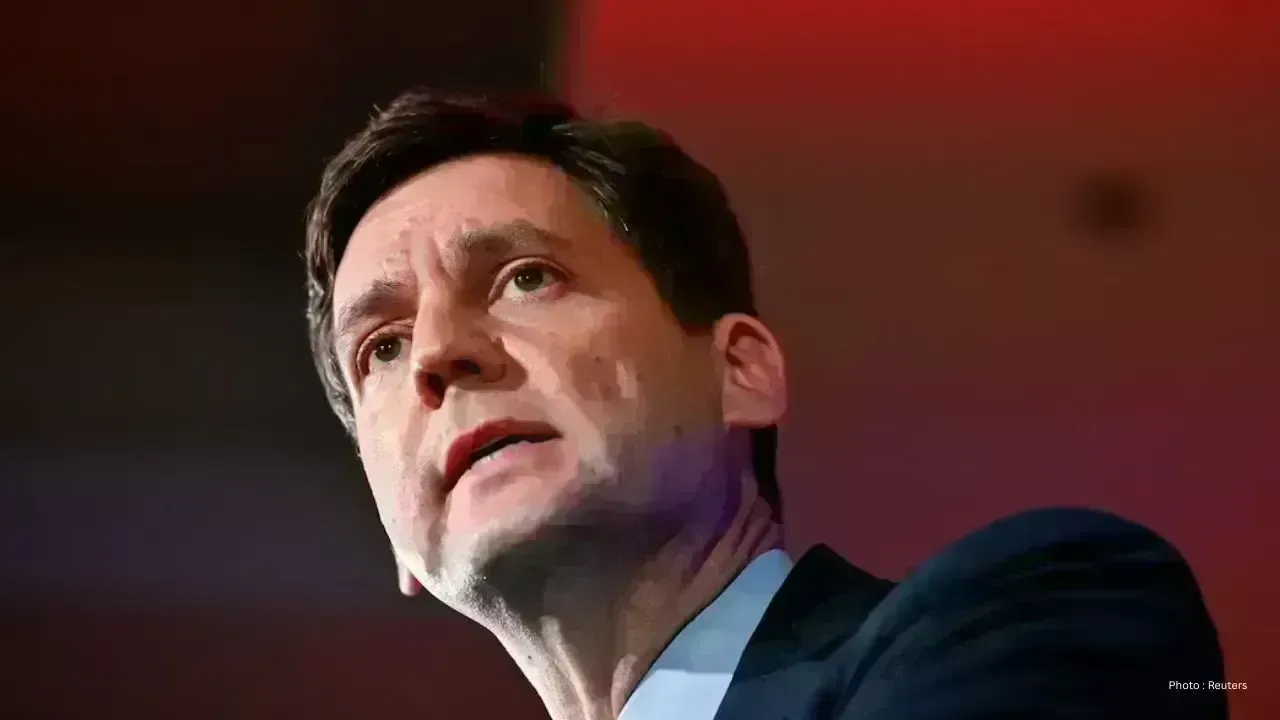
British Columbia's Premier, David Eby, has decided to withdraw his proposal to pause critical elements of the Declaration on the Rights of Indigenous Peoples Act (DRIPA). This marks a significant move towards engaging with First Nations leaders. The government has announced that it will refrain from proposing any law to suspend the act during this legislative period.
This reversal comes in response to substantial pushback from Indigenous communities and follows constructive dialogues between government representatives and Indigenous leaders. Instead of pursuing a suspension bill, the province aims to collaborate with First Nations to create a unified approach regarding DRIPA's future. Officials emphasize that the discussions will seek to cultivate mutual understanding and proposals agreeable to all parties.
This shift underscores the government's evolving stance on the issue. Earlier suggestions to amend or halt portions of DRIPA were met with extensive criticism from Indigenous leaders, who contended that the legislation, which aligns provincial policies with UN principles for Indigenous rights, should not be compromised.
The debate gained traction following a recent court decision concerning mineral rights in the region, which raised apprehensions amongst government officials regarding its legal and economic repercussions. They had expressed concerns that the court's interpretation of DRIPA could lead to significant litigation challenges. Nevertheless, Indigenous leaders have consistently argued for the preservation and proper enactment of the law instead of any amendments.
Sources have indicated that both parties are moving toward drafting a joint statement affirming their shared commitment to cooperation. Efforts to initiate this collaboration are expected to commence soon, with preliminary meetings likely occurring in the coming weeks. The focus will be on achieving a balanced resolution that honors Indigenous rights while addressing governmental concerns.
Initially, there had been considerations to make the suspension a confidence vote, a move that could jeopardize the government’s slim majority. However, that strategy was quickly renounced following public criticism. The plan to introduce the suspension bill without making it a confidence vote was also abandoned shortly after its announcement.
Key officials, including Attorney General Niki Sharma, have engaged in discussions with First Nations leaders. This pivot toward dialogue illustrates the increasing pressure on the government to seek collaborative solutions instead of implementing unilateral changes.
As the legislative session is set to conclude in late May, attention now shifts to how both parties will develop the next steps in this dialogue. Observers suggest that this collaborative effort might help ease existing tensions and pave the way for a more stable approach to implementing Indigenous rights legislation in British Columbia.










PM Modi Pays Tribute to Mahatma Gandhi, Urges People to Support Khadi
PM Modi pays tribute to Mahatma Gandhi on Gandhi Jayanti and urges citizens to support Khadi and the

Amazon Seeks to Offload $8 Billion in Nvidia Chips to Investors
Amazon plans to move $8 billion in Nvidia chips to investors, using a new financing model to strengt

Samsung Raises Galaxy S26 Prices as Memory Chip Costs Rise
Samsung raises Galaxy S26 prices in South Korea as rising memory chip costs put pressure on smartpho

Lewis Hamilton Calls Singapore Grand Prix One of F1's Toughest Races
Lewis Hamilton discusses the demanding Singapore Grand Prix and brings Plus44 and Almave to Singapor

Denmark's Pandora Opens World's Largest Jewellery Factory in Vietnam
Pandora opens its largest jewellery factory in Vietnam, expanding global production, strengthening s

Gautam Gambhir Questions Batting-Friendly Pitches After India's Record ODI Chase
Gautam Gambhir questions batting-friendly ODI pitches after India’s record chase, calling for a bett

