
You have not yet added any article to your bookmarks!
Join 10k+ people to get notified about new posts, news and tips.
Do not worry we don't spam!
Post by : Anis Farhan
Makar Sankranti occupies a unique position among Indian festivals because it is governed by the solar calendar rather than the lunar cycle. Falling every year around mid-January, it signifies the sun’s northward movement, known as Uttarayan, which is considered highly auspicious in Hindu tradition. Agriculturally, the festival marks the end of the winter harvest season, making it a time of gratitude, renewal, and optimism.
What makes Makar Sankranti truly remarkable is the way it adapts itself to local cultures while retaining its core symbolism. Across India, the same astronomical event is celebrated through different names, foods, rituals, and social customs. Some regions look to the skies with kites, others gather by rivers for sacred rituals, while many focus on harvest meals prepared at home. Together, these celebrations reflect India’s cultural diversity bound by a shared seasonal rhythm.
The following six destinations capture the spirit of Makar Sankranti in distinctive and memorable ways, making them ideal places to witness the festival at its most vibrant.
In Ahmedabad, Makar Sankranti is synonymous with kite flying. The city transforms into a vast open-air festival where rooftops become gathering spaces and the sky fills with thousands of colourful kites. From early morning until sunset, people of all ages participate in friendly competitions, cheering as kites soar, dive, and cut through the air.
Kite flying here is more than recreation; it is a deeply ingrained cultural expression. Families prepare days in advance, stocking up on kites and glass-coated strings. Conversations echo across rooftops as neighbours interact, compete, and celebrate together.
Food plays an essential role in Ahmedabad’s Sankranti celebrations. Traditional winter delicacies made from sesame seeds, jaggery, and seasonal vegetables are prepared at home. Meals are shared generously, reinforcing the sense of togetherness that defines the festival.
As night falls, illuminated lanterns and music continue the celebration, giving Ahmedabad an atmosphere that is both energetic and intimate. For visitors, this city offers one of the most visually spectacular ways to experience Makar Sankranti.
In Tamil Nadu, Makar Sankranti takes the form of Pongal, a multi-day harvest festival that reflects deep respect for nature, agriculture, and the sun. Rather than a single-day event, Pongal unfolds gradually, allowing families to observe rituals that honour the land, livestock, and community bonds.
Homes are cleaned and decorated, and intricate kolam patterns are drawn at entrances to welcome prosperity. These visual traditions set the tone for a festival rooted in gratitude and harmony.
One of the most meaningful moments during Pongal is the preparation of the dish itself. Rice, milk, and jaggery are cooked together in earthen pots, often outdoors, as family members gather around. When the pot overflows, it symbolises abundance and good fortune.
In Chennai, this ritual connects urban life with rural agricultural traditions. The festival encourages people to pause, reflect, and appreciate the natural cycles that sustain life.
Jaipur offers a distinctive Makar Sankranti experience where kite flying unfolds against the backdrop of forts, palaces, and old city walls. The contrast between ancient architecture and colourful kites creates a visually striking setting unique to Rajasthan.
Residents gather on terraces dressed in traditional attire, turning the celebration into a cultural spectacle. The competitive spirit of kite flying is balanced with ritual visits to temples, making the day both lively and sacred.
Sweets made from sesame and jaggery are exchanged as symbols of warmth and goodwill. These food traditions are accompanied by greetings that emphasise harmony and fresh beginnings.
For travellers, Jaipur’s Sankranti celebrations provide insight into how royal heritage and everyday traditions coexist, offering a blend of history, festivity, and community life.
In Patna, Makar Sankranti is observed as Khichdi Parv, a celebration centred on simplicity, nourishment, and devotion. The day begins with early morning prayers, as devotees seek blessings for health and prosperity.
The highlight of the festival is the preparation of khichdi, a humble dish made from rice and lentils. Despite its simplicity, khichdi carries deep cultural meaning, symbolising warmth and sustenance during the cold winter season.
Khichdi Parv is also associated with acts of charity. Many families donate food and essentials to those in need, reinforcing the festival’s emphasis on compassion and social responsibility.
Patna’s observance of Makar Sankranti stands out for its quiet dignity, offering visitors an experience grounded in spirituality and human connection rather than spectacle.
Prayagraj is one of the most spiritually important destinations for Makar Sankranti. On this day, thousands of devotees gather at the Triveni Sangam, the confluence of sacred rivers, to take a ritual bath believed to cleanse sins and bring spiritual merit.
The atmosphere is deeply devotional, marked by prayers, chants, and quiet reflection. Pilgrims arrive before sunrise, braving the cold to participate in rituals passed down through generations.
Makar Sankranti in Prayagraj often coincides with large religious gatherings, transforming the riverbanks into temporary settlements filled with spiritual activity. For visitors, the experience offers a profound glimpse into India’s enduring faith traditions and collective spiritual life.
Unlike the high-energy kite festivals of larger cities, Udaipur’s Makar Sankranti celebrations are more intimate. Families observe rituals at home, share festive meals, and enjoy kite flying at a relaxed pace.
The city’s lakes and palaces provide a serene backdrop, lending the festival a reflective quality that appeals to travellers seeking cultural depth rather than crowds.
Udaipur’s approach to Makar Sankranti reflects balance. Joyful activities coexist with spiritual customs, creating an atmosphere that is both festive and peaceful. The city offers a chance to experience the festival while also appreciating Rajasthan’s artistic and architectural heritage.
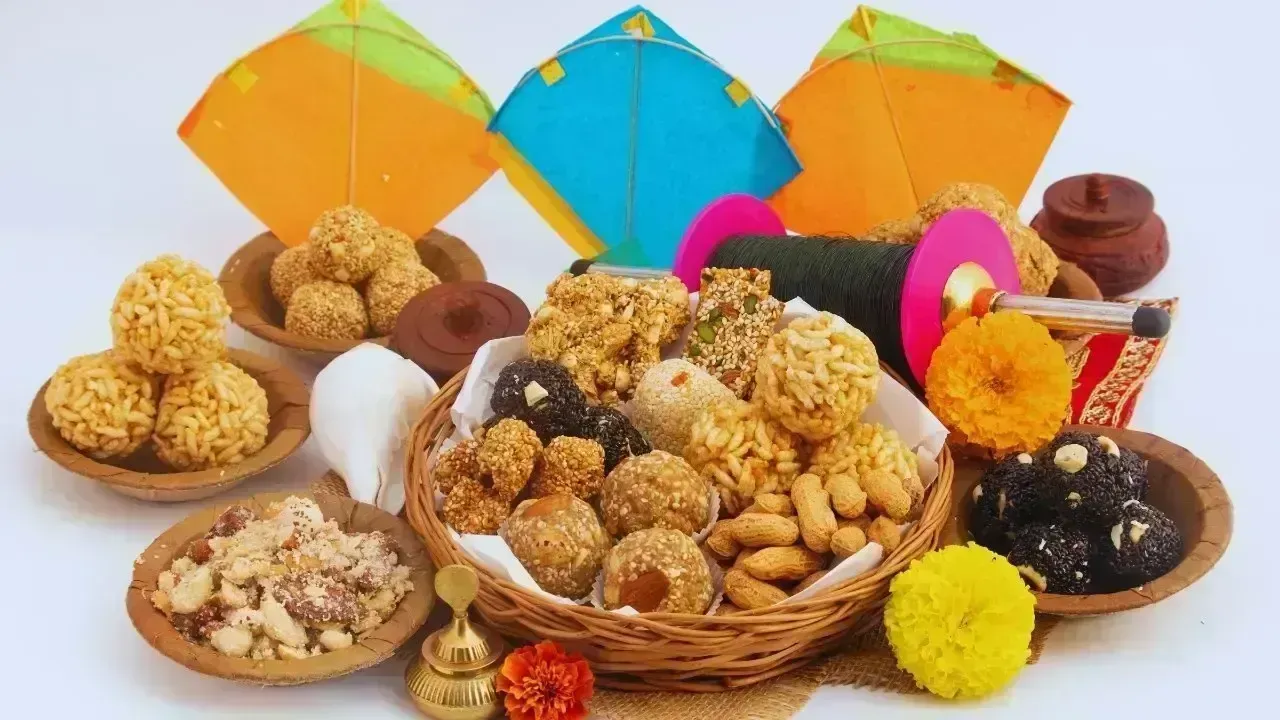
Across India, sesame seeds, jaggery, rice, and sugarcane dominate Sankranti cuisine. These ingredients are chosen not only for their seasonal availability but also for their symbolic association with warmth, sweetness, and prosperity.
Food becomes a medium through which communities express care, generosity, and continuity of tradition.
At its core, Makar Sankranti celebrates the sun’s life-giving energy. Rituals across regions reflect this shared reverence, whether through cooking offerings, temple prayers, or river ceremonies.
Despite regional variations, the festival’s unifying theme is renewal—of seasons, relationships, and collective hope.
As the festival attracts large crowds in several destinations, advance planning is essential. Accommodation and transport tend to fill quickly, especially in cities known for large-scale celebrations.
Participating respectfully in local customs enhances the experience. Observing rituals, dressing appropriately, and engaging politely with residents help visitors become part of the celebration rather than mere spectators.
Makar Sankranti is a powerful reminder of how a single astronomical event can inspire countless cultural expressions. From the vibrant skies of Ahmedabad to the sacred waters of Prayagraj, each destination reflects a unique interpretation of the festival’s meaning.
Together, these six places showcase India’s remarkable ability to preserve tradition while embracing diversity. For travellers, experiencing Makar Sankranti in these regions is not just about witnessing a festival—it is about understanding the rhythms, values, and shared humanity that continue to shape Indian life.
Disclaimer:
This article is intended for informational and cultural reference only. Festival practices, schedules, and local customs may vary each year. Readers are advised to confirm details locally before planning travel.










PM Modi Pays Tribute to Mahatma Gandhi, Urges People to Support Khadi
PM Modi pays tribute to Mahatma Gandhi on Gandhi Jayanti and urges citizens to support Khadi and the

Amazon Seeks to Offload $8 Billion in Nvidia Chips to Investors
Amazon plans to move $8 billion in Nvidia chips to investors, using a new financing model to strengt

Samsung Raises Galaxy S26 Prices as Memory Chip Costs Rise
Samsung raises Galaxy S26 prices in South Korea as rising memory chip costs put pressure on smartpho

Lewis Hamilton Calls Singapore Grand Prix One of F1's Toughest Races
Lewis Hamilton discusses the demanding Singapore Grand Prix and brings Plus44 and Almave to Singapor

Denmark's Pandora Opens World's Largest Jewellery Factory in Vietnam
Pandora opens its largest jewellery factory in Vietnam, expanding global production, strengthening s

Gautam Gambhir Questions Batting-Friendly Pitches After India's Record ODI Chase
Gautam Gambhir questions batting-friendly ODI pitches after India’s record chase, calling for a bett

