
You have not yet added any article to your bookmarks!
Join 10k+ people to get notified about new posts, news and tips.
Do not worry we don't spam!
Post by : Rameen Ariff
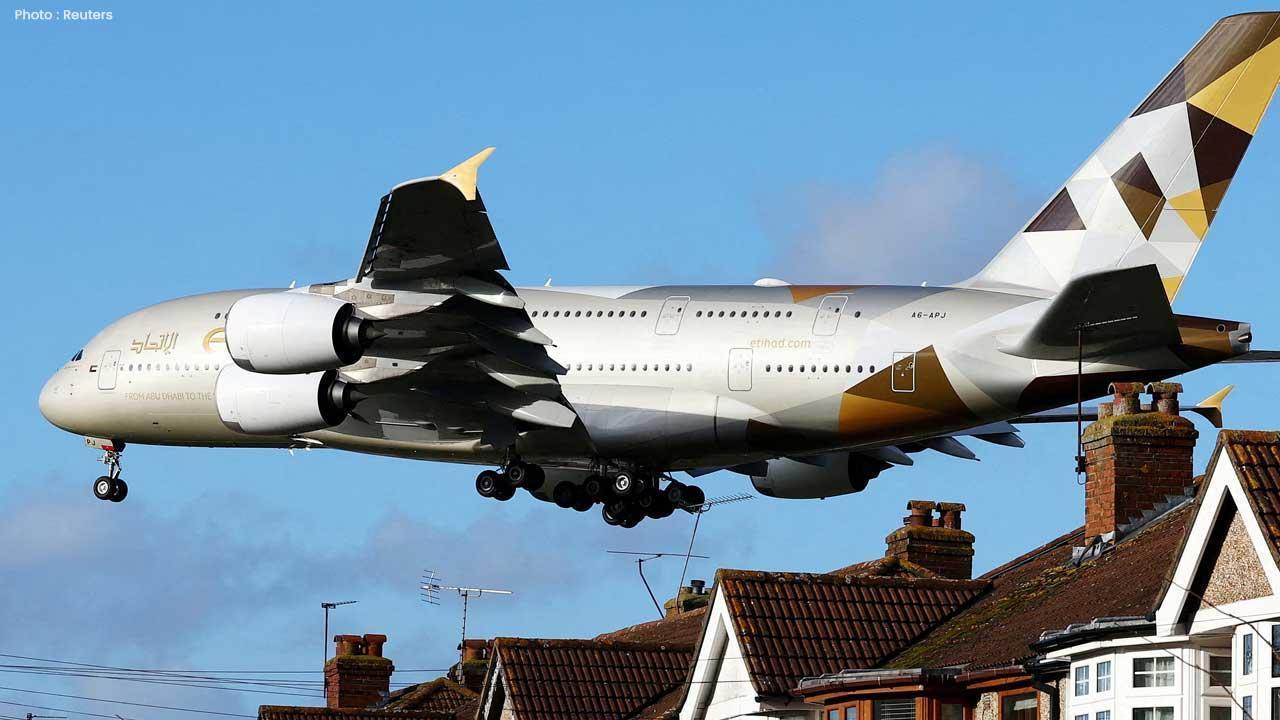
Etihad Airways, the Abu Dhabi-based airline, is intensifying its focus on India, both for inbound tourists and goods transport, as its seat capacity on the Abu Dhabi–New Delhi route reaches the regulatory limit. With all traffic rights fully utilised, the airline is now prioritising high-yield operations and strategic investments to strengthen its presence in the Indian market, according to Chief Executive Antonoaldo Neves.
“India is a very important market for Etihad. It accounts for around 20-25% of our traffic,” Neves told Economic Times. “About 50-60% of our tickets are sold abroad. While the focus is often on Indian nationals travelling outbound, a significant portion of demand comes from inbound tourists. We are seeing a strong flow of visitors coming into India, especially from Europe and the United States, which is strategically vital for us.”
According to India’s tourism ministry, arrivals from the United Arab Emirates to India reached 66,699 in 2024, up 12.14% compared with the previous year and 20.36% from 2019. These visitors represented 0.67% of total arrivals to India in 2024.
Etihad currently connects 11 Indian cities to over 100 destinations worldwide. Recently, the airline deployed its flagship narrow-body A321LR aircraft on the Abu Dhabi–Kolkata route, enhancing service quality and efficiency. “We are introducing more of these planes to India. In the coming years, before additional traffic rights are granted, our focus will be on improving the product and investing in passenger experience,” said Neves.
Etihad Cargo is also expanding its operations in India. By September 2024, it handled over 46,000 tonnes annually through 588 monthly rotations. Neves highlighted the potential for growth, saying, “India is an important cargo market. Currently, we operate six wide-body freighters and utilise belly space on passenger flights, but narrow-body aircraft offer further opportunities. We are developing a dedicated India strategy for cargo, expected to be finalised by the end of 2025.”
Looking ahead, Etihad plans to introduce dedicated freighter operations from India by 2028. With ten wide-body freighters expected to join the fleet by then, Neves said, “There is potential for a dedicated freighter from India within five years. The market for e-commerce, electronics, and manufacturing exports is growing, and we are exploring ways to use both narrow-body and wide-body aircraft effectively.”
Despite saturation in seat entitlements, Etihad is targeting high-value segments, including corporate and premium travelers. “We aim to be the best option for corporate and upper-class travel in India. Even with limited seat capacity, our focus is on product upgrades, premium services, and inbound traffic,” Neves explained.
Further expansion of flights between India and the UAE will require regulatory approvals. Meanwhile, Etihad is concentrating on maximising per-seat yield, deepening partnerships with carriers like Akasa, and growing its cargo operations.
“India will remain a key market for the next decade. Our priorities will be inbound traffic, premium passengers, and cargo,” Neves concluded.










PM Modi Pays Tribute to Mahatma Gandhi, Urges People to Support Khadi
PM Modi pays tribute to Mahatma Gandhi on Gandhi Jayanti and urges citizens to support Khadi and the

Amazon Seeks to Offload $8 Billion in Nvidia Chips to Investors
Amazon plans to move $8 billion in Nvidia chips to investors, using a new financing model to strengt

Samsung Raises Galaxy S26 Prices as Memory Chip Costs Rise
Samsung raises Galaxy S26 prices in South Korea as rising memory chip costs put pressure on smartpho

Lewis Hamilton Calls Singapore Grand Prix One of F1's Toughest Races
Lewis Hamilton discusses the demanding Singapore Grand Prix and brings Plus44 and Almave to Singapor

Denmark's Pandora Opens World's Largest Jewellery Factory in Vietnam
Pandora opens its largest jewellery factory in Vietnam, expanding global production, strengthening s

Gautam Gambhir Questions Batting-Friendly Pitches After India's Record ODI Chase
Gautam Gambhir questions batting-friendly ODI pitches after India’s record chase, calling for a bett

