
You have not yet added any article to your bookmarks!
Join 10k+ people to get notified about new posts, news and tips.
Do not worry we don't spam!
Post by : Shakul
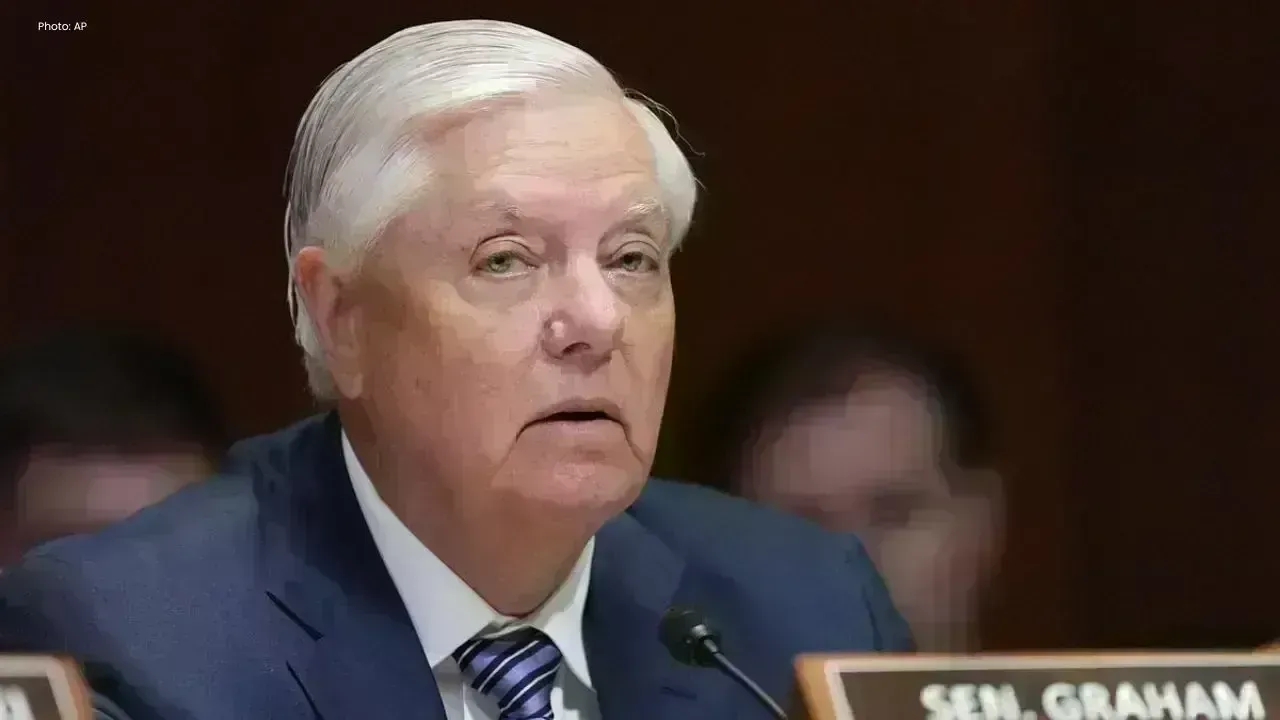
Republican Senator Lindsey Graham has raised concerns over Pakistan’s possible role as a mediator in the ongoing conflict involving the United States and Iran. Speaking in Washington, Graham described Pakistan’s involvement as “problematic” while discussing regional diplomacy and Middle East tensions.
The remarks came after Pakistan’s Defence Minister Khwaja Asif stated that he does not support Islamabad joining the Abraham Accords. The accords are diplomatic agreements aimed at improving political, economic, and security relations between Israel and several Arab nations.
Senator Graham reportedly urged Pakistan to respond positively to U.S. President Donald Trump’s broader diplomatic efforts related to the Middle East crisis. Trump has repeatedly encouraged countries acting as mediators to support peace initiatives and regional cooperation through frameworks linked to the Abraham Accords.
The issue has gained international attention because Pakistan has historically maintained strong support for the Palestinian cause and has not officially recognized Israel. Political observers believe Islamabad’s position makes its involvement in Middle East negotiations highly sensitive and closely watched by global powers.
Pakistan’s Defence Minister Khwaja Asif said the country should carefully consider its diplomatic priorities and regional responsibilities before making decisions related to the Abraham Accords. His comments reflected ongoing debates inside Pakistan regarding ties with Israel and the country’s role in international conflicts.
Analysts say Senator Graham’s comments indicate growing concern among some U.S. lawmakers regarding the strategic alignment of countries involved in mediation efforts during the Iran crisis. Washington is reportedly seeking reliable regional partners while tensions continue to rise across the Middle East.
The Abraham Accords were first introduced in 2020 and led to the normalization of relations between Israel and countries including the United Arab Emirates, Bahrain, Morocco, and Sudan. Since then, the agreements have remained a major part of U.S. diplomatic policy in the region.
Experts believe Pakistan now faces a delicate diplomatic balancing act between maintaining its traditional foreign policy positions and responding to increasing international pressure linked to regional security and peace initiatives.
The developments come at a time when geopolitical tensions involving Iran, Israel, and the United States continue to affect global diplomacy, trade routes, and security concerns across West Asia.










PM Modi Pays Tribute to Mahatma Gandhi, Urges People to Support Khadi
PM Modi pays tribute to Mahatma Gandhi on Gandhi Jayanti and urges citizens to support Khadi and the

Amazon Seeks to Offload $8 Billion in Nvidia Chips to Investors
Amazon plans to move $8 billion in Nvidia chips to investors, using a new financing model to strengt

Samsung Raises Galaxy S26 Prices as Memory Chip Costs Rise
Samsung raises Galaxy S26 prices in South Korea as rising memory chip costs put pressure on smartpho

Lewis Hamilton Calls Singapore Grand Prix One of F1's Toughest Races
Lewis Hamilton discusses the demanding Singapore Grand Prix and brings Plus44 and Almave to Singapor

Denmark's Pandora Opens World's Largest Jewellery Factory in Vietnam
Pandora opens its largest jewellery factory in Vietnam, expanding global production, strengthening s

Gautam Gambhir Questions Batting-Friendly Pitches After India's Record ODI Chase
Gautam Gambhir questions batting-friendly ODI pitches after India’s record chase, calling for a bett

