
You have not yet added any article to your bookmarks!
Join 10k+ people to get notified about new posts, news and tips.
Do not worry we don't spam!
Post by : Anis Farhan
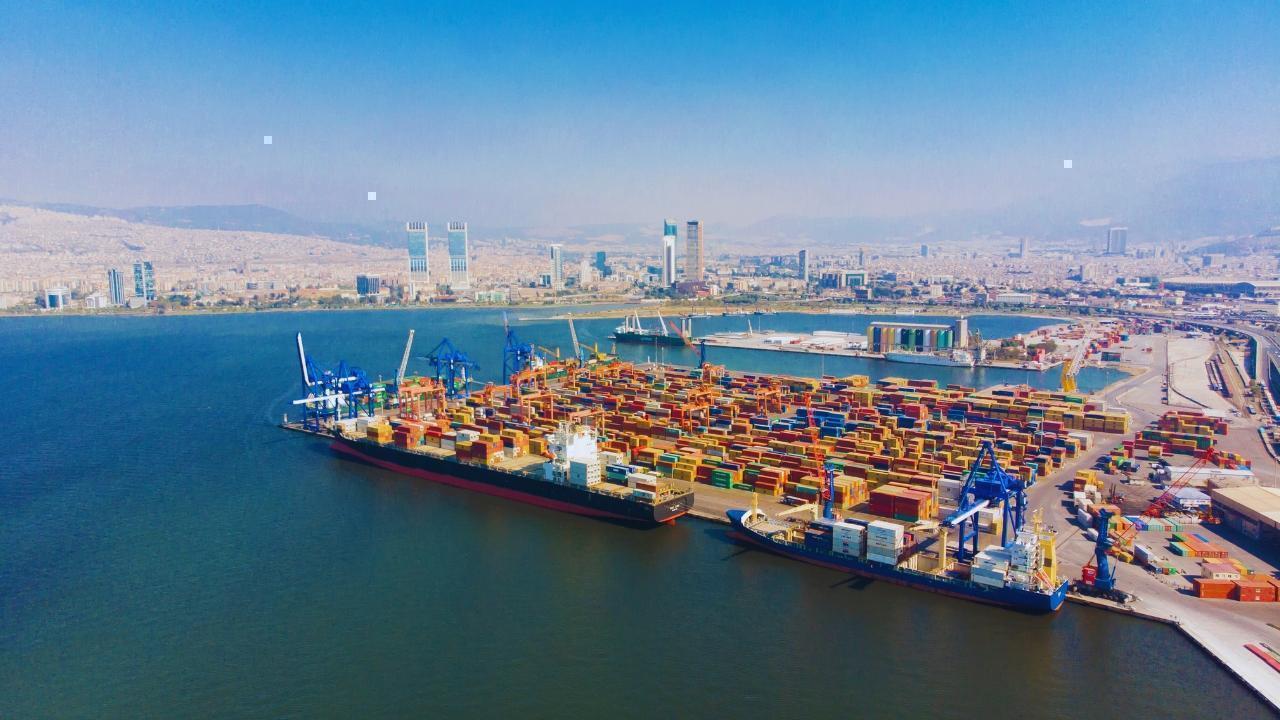
Port cities have always been economic lifelines, connecting countries through trade and maritime networks. In recent years, however, these cities are experiencing a remarkable transformation—not just as transit points but as thriving economic zones attracting diverse global investments. From logistics hubs to smart urban developments, port cities are fast becoming hotspots where international trade, technology, and sustainable urban living intersect. With major infrastructure upgrades and economic reforms, they are reshaping the future of urban growth and global commerce.
Several powerful forces are making port cities more attractive than ever to global investors:
Global Trade Expansion: Growing international trade volumes make strategic port locations invaluable.
Supply Chain Shifts: Companies are diversifying supply chains post-pandemic, placing more importance on efficient port infrastructure.
Urbanization: Port cities offer real estate, retail, and hospitality opportunities with growing urban populations.
Special Economic Zones (SEZs): Many governments are offering tax breaks and incentives to attract investors.
Blue Economy Growth: Industries like offshore wind, marine biotech, and sustainable fisheries are expanding rapidly in port regions.
These factors combine to make port cities magnets for real estate, industrial, technological, and infrastructure investments.
Singapore consistently ranks among the world’s most efficient ports and is a leader in maritime innovation. The Tuas Mega Port expansion and smart port technology make Singapore a regional investment hub, especially in fintech, logistics, and urban development.
The Port of Rotterdam is Europe’s largest, serving as a logistics powerhouse. The city’s focus on clean energy, sustainable shipping, and port digitization has attracted green investments and tech startups, making it one of the fastest-evolving urban economies in Europe.
With Jebel Ali Port and multiple free zones, Dubai has positioned itself as a bridge between Asia, Africa, and Europe. Significant investments in tourism, transport, and urban luxury projects continue to flood into Dubai’s port regions.
The twin ports of Los Angeles and Long Beach handle nearly 40% of U.S. imports. They are currently undergoing massive modernization efforts, attracting infrastructure, logistics, and clean energy investments.
Tangier Med Port in Morocco has become one of the fastest-growing ports globally, boosting North Africa’s prominence in global trade while attracting manufacturing and industrial investments.
Real Estate Growth: From luxury waterfront properties to affordable housing, developers are capitalizing on urban expansion.
Logistics and Warehousing: Demand for advanced warehousing and distribution centers is surging.
Port Infrastructure Projects: Billions are being invested in port expansions, smart port systems, and green shipping corridors.
Renewable Energy Initiatives: Offshore wind farms and green hydrogen projects are clustering near coastal cities.
Marine Technology Startups: Port cities are becoming incubators for ocean tech, AI-based port management, and sustainable maritime innovations.
Tourism and Leisure: Cruise terminals, waterfront dining, and cultural attractions are reviving port neighborhoods globally.
Governments across continents are promoting port city investments through:
Free Trade Agreements (FTAs) enhancing cross-border commerce.
Special Economic Zones (SEZs) with tax breaks for industries.
Public-Private Partnerships (PPPs) for urban renewal and port modernization.
Green Port Policies to ensure sustainability in growth.
Such frameworks help reduce investor risk and encourage long-term sustainable development in port cities.
Despite the opportunities, port cities pose challenges:
Climate Risks: Rising sea levels and coastal flooding require resilient infrastructure.
Congestion and Pollution: Managing urban sprawl and port-related emissions is a growing concern.
Regulatory Uncertainty: Changing trade policies and geopolitical tensions can impact long-term stability.
High Entry Costs: Prime waterfront locations come with expensive real estate and operational costs.
Investors need careful due diligence, balancing high growth potential with environmental and political risks.
Over the next decade, port cities are expected to become even more integrated into global financial systems, driven by:
Growth in e-commerce requiring efficient logistics centers.
Acceleration of green shipping and renewable port infrastructure.
Integration of smart city technologies in port-side urban planning.
Rising demand for sustainable waterfront living.
With the convergence of global trade, urbanization, and sustainability goals, port cities are poised to define the next phase of global economic growth.
Port cities are no longer just trade gateways—they are transforming into comprehensive economic powerhouses. For global investors seeking high-growth, future-ready opportunities, these urban centers offer an ideal blend of industrial expansion, sustainable innovation, and lifestyle investments. As the world navigates economic and environmental transitions, the future is clearly docking in port cities.
This article is intended for general informational purposes only and does not constitute financial or investment advice. Readers should consult professional advisors before making investment decisions related to port cities or related industries.










PM Modi Pays Tribute to Mahatma Gandhi, Urges People to Support Khadi
PM Modi pays tribute to Mahatma Gandhi on Gandhi Jayanti and urges citizens to support Khadi and the

Amazon Seeks to Offload $8 Billion in Nvidia Chips to Investors
Amazon plans to move $8 billion in Nvidia chips to investors, using a new financing model to strengt

Samsung Raises Galaxy S26 Prices as Memory Chip Costs Rise
Samsung raises Galaxy S26 prices in South Korea as rising memory chip costs put pressure on smartpho

Lewis Hamilton Calls Singapore Grand Prix One of F1's Toughest Races
Lewis Hamilton discusses the demanding Singapore Grand Prix and brings Plus44 and Almave to Singapor

Denmark's Pandora Opens World's Largest Jewellery Factory in Vietnam
Pandora opens its largest jewellery factory in Vietnam, expanding global production, strengthening s

Gautam Gambhir Questions Batting-Friendly Pitches After India's Record ODI Chase
Gautam Gambhir questions batting-friendly ODI pitches after India’s record chase, calling for a bett

