You have not yet added any article to your bookmarks!
Join 10k+ people to get notified about new posts, news and tips.
Do not worry we don't spam!
Post by : Anis Farhan
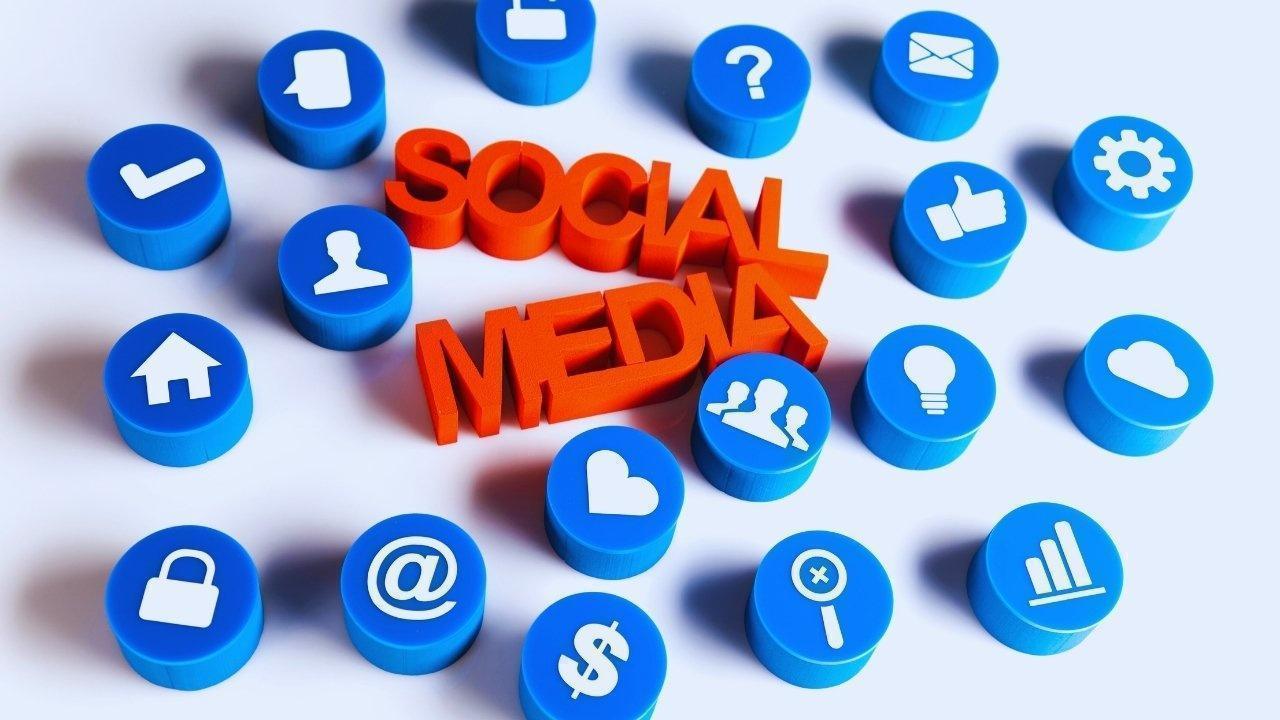
In today’s hyperconnected world, the line between the digital self and the real self is blurrier than ever. Social media, once a simple tool for connection, has become the central stage for self-expression, reputation, and personal branding. Every post, comment, and interaction forms part of a digital identity—carefully crafted, constantly evolving, and deeply intertwined with one’s sense of self.
In 2025, online identity is not just about visibility but validation. The likes, shares, and follows that once seemed superficial now carry emotional weight. They shape confidence, influence social circles, and even impact professional opportunities. The digital self has become both a mirror and a mask—reflecting who we are and who we wish to be.
Early social media platforms encouraged raw, unfiltered sharing—moments captured without the intention of perfection. But over time, curation replaced spontaneity. Users began to construct narratives about their lives, emphasizing highlights and hiding flaws.
Now, in the age of AI-driven algorithms and digital storytelling, personal branding has become an unspoken expectation. From Instagram aesthetics to LinkedIn profiles, each platform demands a tailored version of the self.
In 2025, online personas are multidimensional. A single person might present as a professional expert on LinkedIn, a traveler on Instagram, and a thought leader on X. This multifaceted identity reflects not deception, but adaptation—an individual’s way of surviving and thriving across digital ecosystems.
The word “authenticity” has become a digital buzzword. Everyone strives to be “real,” yet the concept itself has been commodified. Filters, AI photo editing, and curated captions have made it difficult to distinguish authenticity from aesthetic strategy.
People want to be seen as genuine, but they also want to be liked. This tension drives the paradox of digital authenticity—where imperfection is deliberately crafted to appear spontaneous. A messy desk photo might be staged. A candid smile might be rehearsed.
However, there’s a growing backlash. In 2025, audiences are increasingly drawn to creators and influencers who show vulnerability, honesty, and relatability. The new digital cool is not perfection—it’s truth.
Social media validation operates on a dopamine-driven loop. A like or comment acts as a small burst of reward, training the brain to seek more of it. Over time, this shapes how people perceive their self-worth.
Psychologists have long warned that dependency on digital approval can lead to anxiety, low self-esteem, and performance pressure. Yet, it also provides a sense of belonging. The community aspect of online platforms allows users to find people who share similar passions, struggles, and dreams.
The challenge, therefore, is not to reject validation but to understand it—to recognize that social media approval doesn’t define self-value. Conscious engagement, rather than compulsive comparison, is the key to emotional balance.
Algorithms are the invisible architects of digital identity. They decide what we see, who sees us, and how we are perceived. Every like, share, and scroll teaches the system who we are—or at least who it thinks we are.
In 2025, personalization algorithms have grown more sophisticated. They not only predict user interests but also influence behavior. Our feeds are no longer passive reflections of choice; they are active agents shaping opinions, habits, and even personality traits.
This raises profound questions: Are we truly expressing ourselves online, or are we performing for algorithms? How much of our identity is organic, and how much is guided by digital design?
One of the most fascinating evolutions in 2025 is the emergence of the “digital twin”—a virtual counterpart that mirrors one’s real-life persona through AI. From professional avatars used in virtual workspaces to AI-curated online identities, people are outsourcing parts of themselves to technology.
These digital twins can manage social media, respond to messages, and even replicate tone and personality. While convenient, this phenomenon challenges traditional notions of authenticity and individuality. If an algorithm can speak for you, where do you end and the machine begin?
As technology continues to blur these boundaries, maintaining a genuine sense of self will depend on mindfulness and conscious control of one’s digital narrative.
Different generations engage with digital identity in unique ways. Gen Z, digital natives from birth, treat online spaces as extensions of reality. They value transparency, social activism, and emotional expression. Their posts are often raw, opinionated, and unapologetically real.
Millennials, on the other hand, experienced both pre-digital and digital worlds. Their online identities often balance professionalism with personal storytelling. Older generations, while less native to technology, are increasingly using digital platforms to reconnect, share wisdom, and build communities.
This generational blend has created a diverse digital culture—where authenticity, influence, and identity are constantly negotiated across age groups.
Influencers have become modern-day identity architects. Through storytelling, aesthetics, and engagement, they shape not just trends but perceptions of self-worth among followers.
In 2025, influencer culture has matured. Audiences are more discerning, demanding transparency about sponsorships, authenticity in content, and genuine interaction. The rise of micro-influencers—individuals with smaller but highly engaged audiences—reflects a shift from fame to relatability.
Yet, influencer culture also poses risks. The pressure to maintain relevance and perfection can lead to emotional exhaustion. Behind every polished feed often lies the struggle to stay visible in an algorithm-driven race.
The more people share online, the less control they have over their digital footprint. Every selfie, tweet, or story becomes part of a permanent archive. Privacy, once a default, is now a choice that requires vigilance.
In response, many users are embracing “digital minimalism”—the art of selective sharing. Some maintain private or “finsta” accounts for intimate circles, while others choose to disappear from social media altogether.
In 2025, the fragmented self—one that exists across public, private, and anonymous spaces—has become the new norm. Each digital layer reveals a different truth about who we are, showing that identity is not singular but multifaceted.
Advancements in AI have introduced a new challenge: distinguishing real from synthetic. Deepfakes, voice clones, and AI-generated influencers have flooded digital spaces, making authenticity harder to verify.
The rise of virtual influencers—non-human entities with massive followings—shows how malleable digital identity has become. These avatars can engage with audiences, express emotions, and even spark trends without ever existing in reality.
For individuals, this raises pressing ethical and existential questions. If identity can be replicated artificially, what does it mean to be “real” in a digital sense? The future may demand new standards of digital ethics and self-verification.
As technology evolves, so too will the ways people express themselves. Augmented reality fashion, AI-generated art, and immersive metaverse spaces allow individuals to design identities that transcend physical limitations.
The future of self-expression will be fluid, creative, and deeply personalized. People will experiment with multiple avatars, aesthetics, and narratives, crafting digital identities that evolve as they do.
Yet amid this evolution, one truth will remain constant: authenticity is not about perfection but about intention. The way we choose to represent ourselves online says less about how flawless we are and more about how honest we are willing to be.
Ultimately, crafting one’s identity online should not replace the journey of self-discovery offline. Technology can amplify expression but cannot define essence.
The healthiest digital identities are rooted in real-world values—empathy, kindness, curiosity, and resilience. Whether through posts, conversations, or digital creations, staying grounded in who you truly are ensures that the online self enhances rather than distorts the real one.
In 2025 and beyond, the challenge isn’t just to stand out online—it’s to stay authentic in a world that rewards performance.
This article is for informational purposes only and does not constitute psychological or sociological advice. Readers should engage responsibly on social platforms and seek professional support if social media use impacts their mental or emotional well-being.





G7 to Hold AI Cybersecurity Exercises to Protect Financial Systems
G7 finance leaders will conduct AI cybersecurity exercises to prepare for cyber attacks and protect

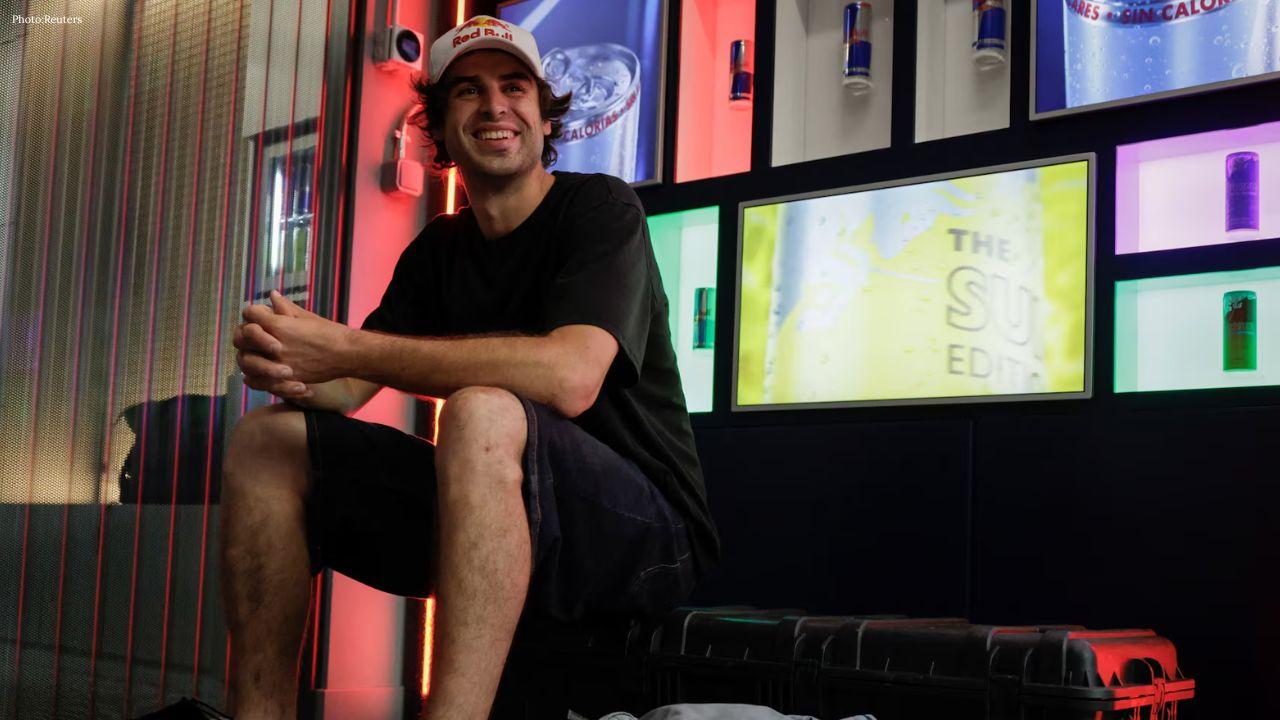
Spain's Diego Poncelet Sets Skateboarding World Speed Record
Spain's Diego Poncelet reaches 151.83 km/h in a record-breaking downhill skateboard run in Canada, s

Hyundai Recalls 94,622 US Vehicles Over Potential Fire Risk
Hyundai recalls 94,622 US vehicles over overheating seat motors. Check affected Genesis models, fire
Nvidia Pledges $250 Million for UK AI Safety Research
Nvidia will provide $250 million in computing resources over five years to support AI safety researc

Jacob Bethell Returns as England Name Squads for Australia Tour
England name ODI and T20 squads for the Australia tour, with Jacob Bethell returning from injury and

Beauden Barrett Opens Up About Mental Struggles During All Blacks Exile
Beauden Barrett discusses his confidence struggles after missing six tests, his return against Austr