
You have not yet added any article to your bookmarks!
Join 10k+ people to get notified about new posts, news and tips.
Do not worry we don't spam!
Post by : Shweta
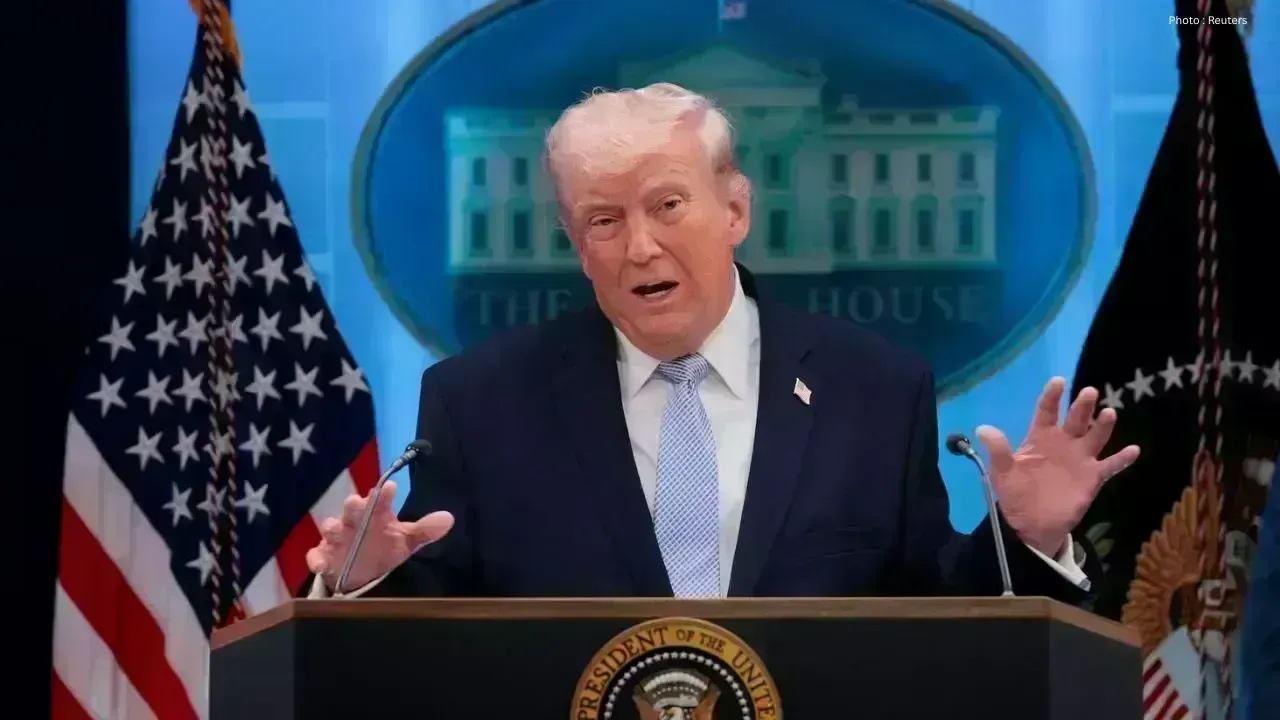
US President Donald Trump has declared that a blockade targeting Iranian-linked vessels in the vital Strait of Hormuz will commence, following the breakdown of ceasefire discussions in Pakistan between the US and Iran.
As per US Central Command (CENTCOM), this operation will begin on Monday and focus on ships associated with Iranian ports. Officials indicated that while the blockade will be enforced in international waters, it will permit passage for vessels heading to non-Iranian ports. This action is intended to intensify pressure on Iran amid heightened tensions and stalled diplomatic efforts.
President Trump noted that the blockade is a strategic component of a larger initiative to diminish Iran's regional influence, particularly over the crucial global oil route. The Strait of Hormuz is responsible for a substantial share of the world’s oil transport, making any disruption a serious concern for international energy sectors. He also cautioned that vessels paying what he termed “illegal tolls” to Iran could face US interception.
This announcement followed the conclusion of significant diplomatic discussions, which ended without resolution. US Vice President JD Vance, leading the US delegation in Islamabad, confirmed that critical issues, especially regarding Iran's nuclear ambitions, remain unsolved. These talks marked a significant diplomatic engagement between the two nations in recent history.
In response, Iranian officials, including senior Revolutionary Guard members, asserted that Iran maintains control over the strait and warned of a strong retaliation against any military endeavors. Iranian leadership emphasized that, while commercial traffic may continue, any military presence near their waters would invite consequences.
Analysts have expressed concerns regarding the practicality and inherent risks associated with implementing such a blockade. Controlling maritime traffic in the Strait of Hormuz is viewed as exceptionally complex and could escalate tensions further, particularly with multiple international actors in the area.
Moreover, the collapse of talks casts doubt on the future of the current ceasefire, set to expire on April 22. Despite both parties displaying some willingness to engage in further discussions, significant disagreements persist.










PM Modi Pays Tribute to Mahatma Gandhi, Urges People to Support Khadi
PM Modi pays tribute to Mahatma Gandhi on Gandhi Jayanti and urges citizens to support Khadi and the

Amazon Seeks to Offload $8 Billion in Nvidia Chips to Investors
Amazon plans to move $8 billion in Nvidia chips to investors, using a new financing model to strengt

Samsung Raises Galaxy S26 Prices as Memory Chip Costs Rise
Samsung raises Galaxy S26 prices in South Korea as rising memory chip costs put pressure on smartpho

Lewis Hamilton Calls Singapore Grand Prix One of F1's Toughest Races
Lewis Hamilton discusses the demanding Singapore Grand Prix and brings Plus44 and Almave to Singapor

Denmark's Pandora Opens World's Largest Jewellery Factory in Vietnam
Pandora opens its largest jewellery factory in Vietnam, expanding global production, strengthening s

Gautam Gambhir Questions Batting-Friendly Pitches After India's Record ODI Chase
Gautam Gambhir questions batting-friendly ODI pitches after India’s record chase, calling for a bett

