
You have not yet added any article to your bookmarks!
Join 10k+ people to get notified about new posts, news and tips.
Do not worry we don't spam!
Post by : Shweta
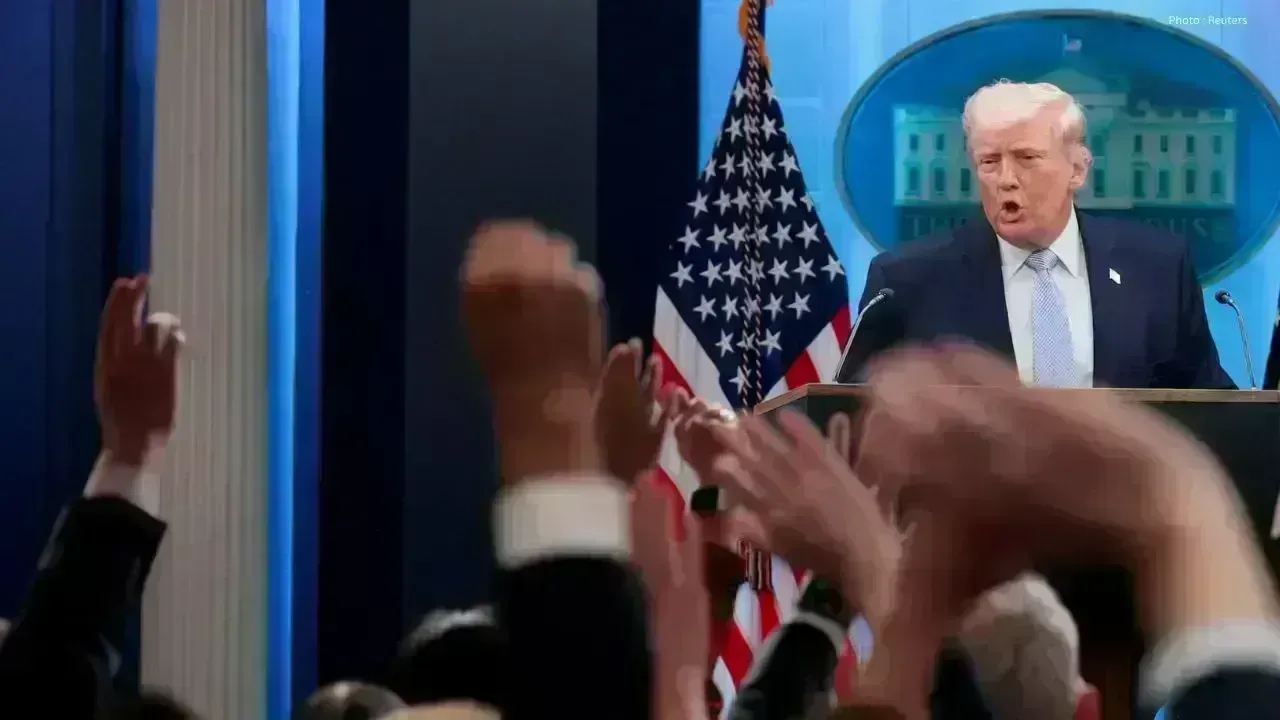
Following unsuccessful high-stakes negotiations in Pakistan, US President Donald Trump is contemplating new military action against Iran, as reported by various officials familiar with the developments.
Led by US Vice President JD Vance, the talks in Islamabad ended without consensus, largely due to unresolved disagreements over Iran’s nuclear ambitions. This impasse has elevated tensions and forced the US to evaluate both military and economic responses.
Reports indicate that Trump and his team are assessing the prospects of limited military strikes aimed at significant Iranian infrastructure. Considerations may focus on installations essential to Iran's energy and water supply, with Trump suggesting these could be options should tensions escalate. Despite his intention to avoid conflict, he affirmed that “all options remain on the table.”
In conjunction with potential military endeavors, the US is also advancing plans for a naval blockade in the Strait of Hormuz, a vital international shipping lane through which approximately 20% of the globe’s oil flows. The blockade aims to cut into Iran's oil revenues, applying pressure for renewed diplomatic talks.
Officials speculate that blending economic coercion with the threat of targeted military action might incentivize Iran to engage in further negotiations. Still, experts caution that such a strategy comes with considerable risks, including potential military retaliation. US naval assets operating in proximity to Iran could be vulnerable to drone or missile strikes with minimal warning.
The latest shifts have already triggered apprehensions in the global marketplace. Given the strategic importance of the Strait of Hormuz, any disruption could have a direct effect on oil markets and international commerce. Analysts express concerns that increased tensions could undermine stability across the Middle East and beyond.
Despite the failed negotiations, some diplomatic avenues remain open. Global stakeholders are advocating for ongoing dialogue to avert further escalation, especially with the current ceasefire nearing its end.
With the situation evolving, the US is weighing its subsequent actions in light of the intensifying discord with Iran.










PM Modi Pays Tribute to Mahatma Gandhi, Urges People to Support Khadi
PM Modi pays tribute to Mahatma Gandhi on Gandhi Jayanti and urges citizens to support Khadi and the

Amazon Seeks to Offload $8 Billion in Nvidia Chips to Investors
Amazon plans to move $8 billion in Nvidia chips to investors, using a new financing model to strengt

Samsung Raises Galaxy S26 Prices as Memory Chip Costs Rise
Samsung raises Galaxy S26 prices in South Korea as rising memory chip costs put pressure on smartpho

Lewis Hamilton Calls Singapore Grand Prix One of F1's Toughest Races
Lewis Hamilton discusses the demanding Singapore Grand Prix and brings Plus44 and Almave to Singapor

Denmark's Pandora Opens World's Largest Jewellery Factory in Vietnam
Pandora opens its largest jewellery factory in Vietnam, expanding global production, strengthening s

Gautam Gambhir Questions Batting-Friendly Pitches After India's Record ODI Chase
Gautam Gambhir questions batting-friendly ODI pitches after India’s record chase, calling for a bett

