
You have not yet added any article to your bookmarks!
Join 10k+ people to get notified about new posts, news and tips.
Do not worry we don't spam!
Post by : Rameen Ariff
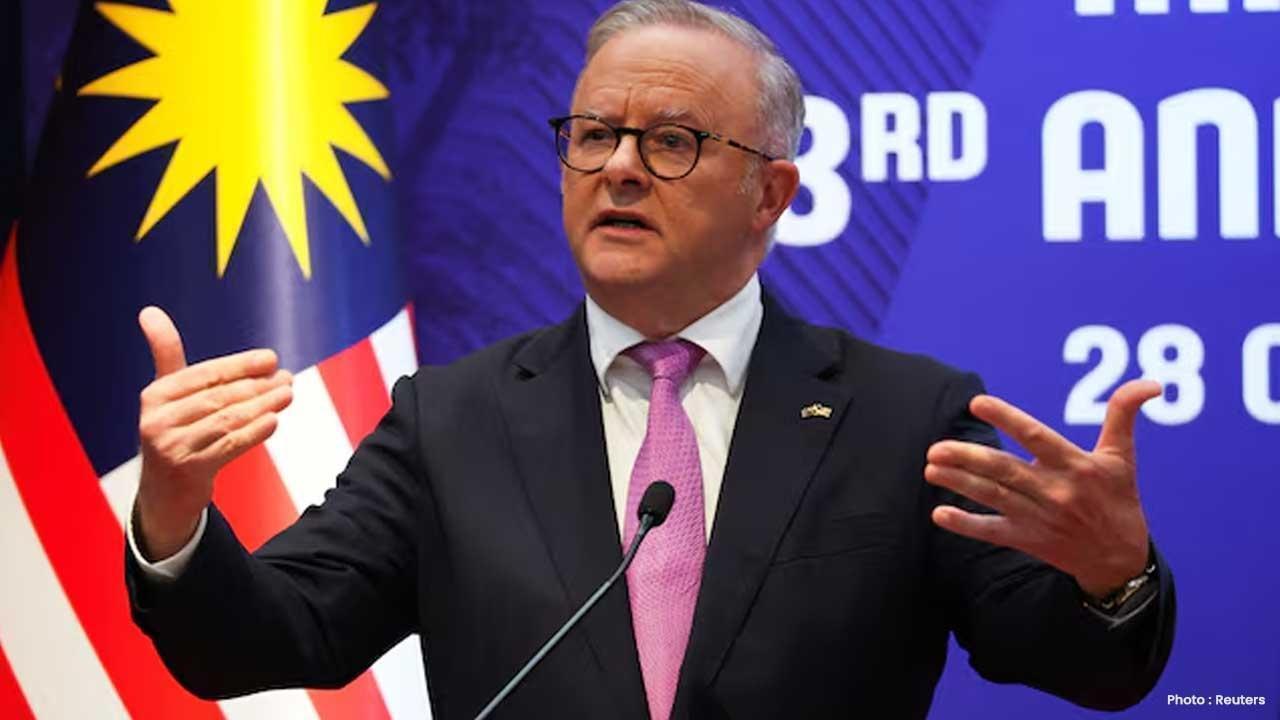
Australia has officially turned down Turkey’s proposal to co-host the 2025 United Nations Climate Change Conference (COP31), escalating a high-stakes diplomatic standoff regarding the location of a pivotal climate summit. Prime Minister Anthony Albanese stated on Monday that a co-hosting arrangement contradicts the rules of the United Nations Framework Convention on Climate Change (UNFCCC), with all parties aware that such a setup was unworkable.
This announcement reaffirms Australia’s intent to hold COP31 in Adelaide, aiming to position the city as a focal point for global climate negotiations. Albanese pointed out that Australia's proposal showcases the region’s climate vulnerabilities while also allowing Pacific nations to share their perspectives on environmental challenges. If successful, Adelaide would be the first COP venue in the Pacific region, marking a significant shift in the geography of such climate summits.
Nevertheless, this decision leaves Australia and Turkey in a deadlock. Turkey remains committed to pursuing a co-hosting option, emphasizing its interest in sharing the responsibilities and the global visibility associated with hosting the summit. Diplomatic sources from Ankara have reaffirmed their dedication to achieving co-presidency, setting a tense atmosphere for ongoing COP30 negotiations in Belem, Brazil.
Concerns are rising that if no agreement is reached, the stalemate could result in Germany defaulting as the host, presenting an unprecedented situation in COP history. The deadlock intensifies the pressure on negotiators at COP30, where Brazil hopes to demonstrate progress in climate diplomacy despite competing national interests.
Australia’s efforts to host COP31 also highlights its environmental performance. Although aiming to reflect its leadership in Pacific climate matters, Australia still faces criticism over its reliance on fossil fuel exports and delays in enacting strong climate policies. Critics argue that selecting Adelaide could heighten global scrutiny on Australia’s climate initiatives, testing the country's credibility as a leader in climate action.
The proposal for Adelaide envisions collaboration with Pacific Island nations, tackling urgent issues such as rising sea levels, extreme weather, and economic challenges driven by climate change. Proponents assert that bringing COP31 to Australia could elevate Pacific voices internationally and drive ambitious commitments from developed nations.
As per UNFCCC guidelines, the host country's selection must be made by consensus. With Australia and Turkey at an impasse, climate negotiators are under increased pressure to reach a resolution that ensures both the legitimacy and the efficacy of COP31. Analysts believe that the outcome will not only affect the logistics of the summit but could also have wider implications for geopolitical relations and climate policy leadership.
As this diplomatic situation continues to unfold, Australia’s steadfastness in its bid to host COP31 in Adelaide reflects its ambitions to take a pivotal role in global climate initiatives, even as it faces domestic and international scrutiny surrounding its environmental policies.










PM Modi Pays Tribute to Mahatma Gandhi, Urges People to Support Khadi
PM Modi pays tribute to Mahatma Gandhi on Gandhi Jayanti and urges citizens to support Khadi and the

Amazon Seeks to Offload $8 Billion in Nvidia Chips to Investors
Amazon plans to move $8 billion in Nvidia chips to investors, using a new financing model to strengt

Samsung Raises Galaxy S26 Prices as Memory Chip Costs Rise
Samsung raises Galaxy S26 prices in South Korea as rising memory chip costs put pressure on smartpho

Lewis Hamilton Calls Singapore Grand Prix One of F1's Toughest Races
Lewis Hamilton discusses the demanding Singapore Grand Prix and brings Plus44 and Almave to Singapor

Denmark's Pandora Opens World's Largest Jewellery Factory in Vietnam
Pandora opens its largest jewellery factory in Vietnam, expanding global production, strengthening s

Gautam Gambhir Questions Batting-Friendly Pitches After India's Record ODI Chase
Gautam Gambhir questions batting-friendly ODI pitches after India’s record chase, calling for a bett

