You have not yet added any article to your bookmarks!
Join 10k+ people to get notified about new posts, news and tips.
Do not worry we don't spam!
Post by : Saif Rahman
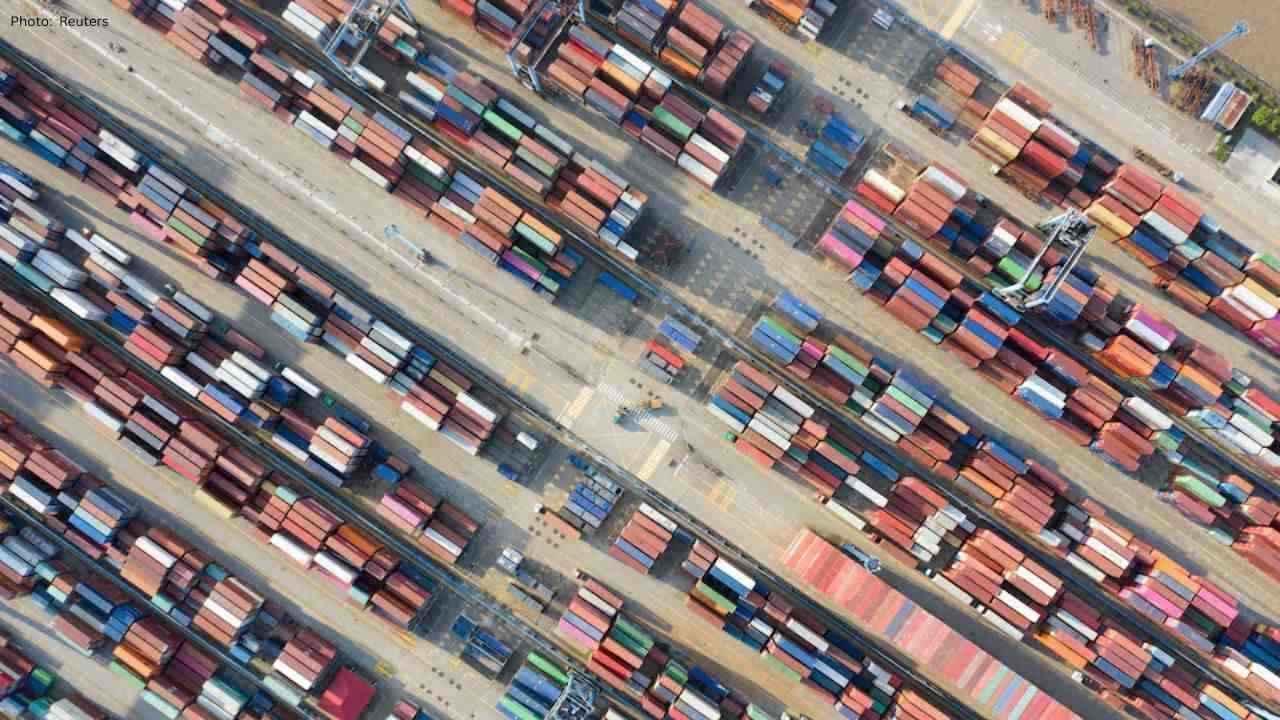
In a recent announcement, China revealed its intentions to boost both exports and imports by 2026, which aligns with its strategy for achieving more balanced and sustainable foreign trade. This statement was made by a senior economic official at a significant policy conference, as reported by state media.
According to Han Wenxiu, the deputy director of China’s Central Financial and Economic Affairs Commission, the nation will further open its economy while enhancing collaboration with international partners. He emphasized that China seeks trade growth that is mutually beneficial, rather than being overly dependent on exports.
As one of the world’s largest economies, China has a trade surplus exceeding one trillion dollars. While this surplus indicates the strength of its manufacturing sector, it has stirred concerns among key trading partners. Global entities like the International Monetary Fund (IMF) have cautioned that China’s export-driven growth model may pose sustainability issues in the long run and could heighten global trade friction.
To mitigate these concerns, Han mentioned that expanding imports alongside exports will be a priority. He included that service exports—particularly in tourism, finance, and digital services—will receive focused assistance in 2026.
The official also outlined initiatives aimed at boosting domestic consumption, including increasing household incomes, enhancing basic pensions, and eliminating what he described as “unreasonable” barriers to consumer spending. This push to strengthen consumer demand is considered essential for lessening the nation’s reliance on factories and exports for economic advancement.
Furthermore, Han reiterated the government’s caution against detrimental price wars between companies, often referred to in China as “involution.” Such price wars can hurt overall profitability and weaken the economy.
Earlier this week, the IMF advised China to implement crucial yet challenging adjustments, like moderating export growth to foster domestic spending. IMF Managing Director Kristalina Georgieva remarked that China has reached a point where it cannot exclusively depend on exports for future growth, warning that this may intensify trade conflicts with other nations.
Economists have consistently highlighted that China’s disparity between high production and lower consumption could jeopardize its long-term economic stability. While export-led growth can yield immediate benefits, it may hinder sustainable development.
On Thursday, Chinese officials confirmed a commitment to maintaining a “proactive” fiscal policy in 2026 to bolster both consumption and investment. Analysts predict that China is aiming for an economic growth rate of approximately 5% for the upcoming year.
From an editorial standpoint, China’s sentiment reflects an acute awareness of global apprehensions and intrinsic risks. The effectiveness of these plans in instigating meaningful change relies on Beijing’s commitment to reforms that prioritize consumers over factories.







Josh Kerr and Jakob Ingebrigtsen Set for 1,500m Rivalry Rematch
Josh Kerr and Jakob Ingebrigtsen will renew their 1,500m rivalry at the Ultimate Championship in Bud

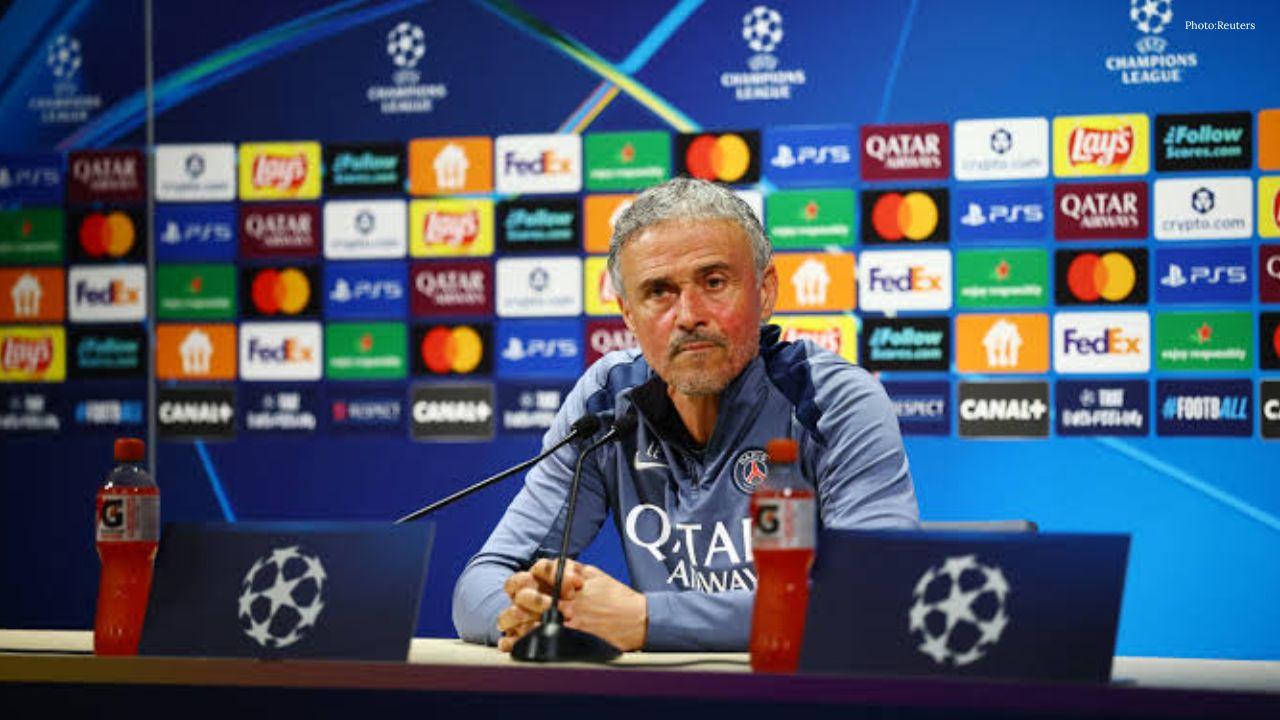
PSG Coach Luis Enrique Urges Players to Step Outside Comfort Zone
PSG coach Luis Enrique says players must leave their comfort zone and keep improving as the club tar

China’s Tiangong Sets New 400m Record at Robot Olympics
China’s Tiangong robot sets a new 400m record at the Robot Olympics, beating a South African robot i
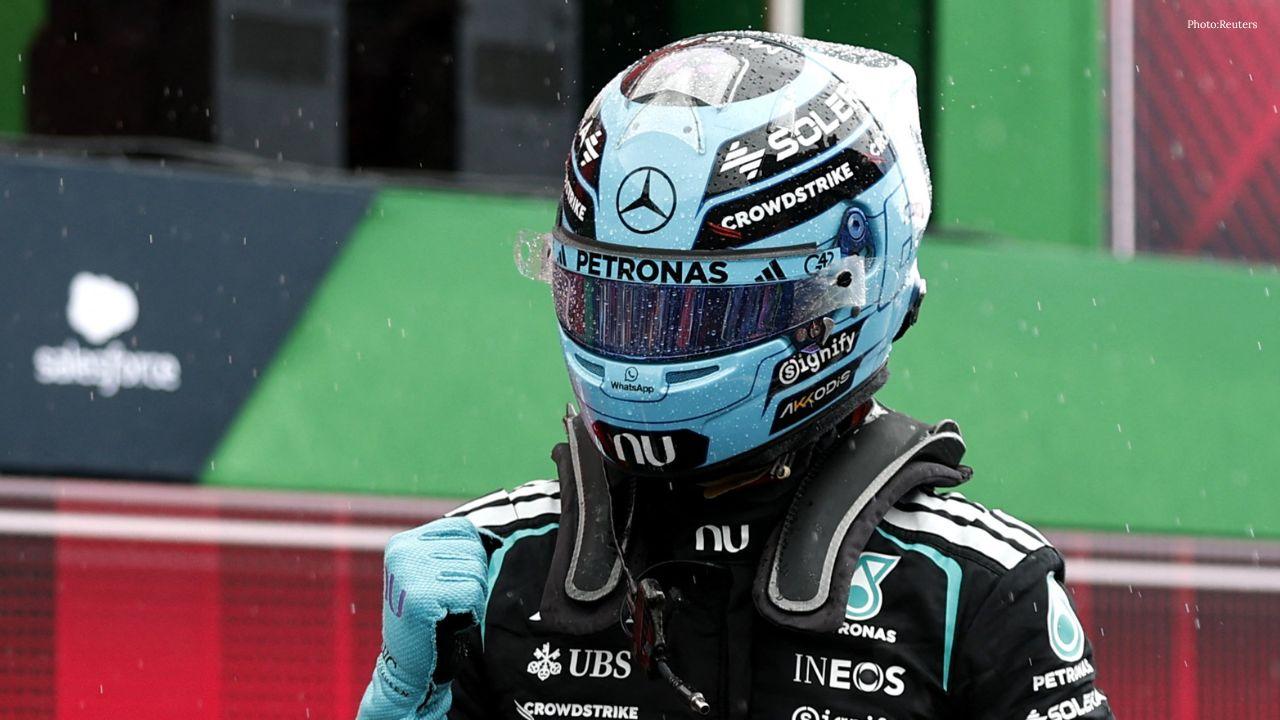
George Russell Wins Dutch GP Sprint, Boosts Mercedes Morale
George Russell wins the Dutch GP Sprint from pole as Mercedes teammate Kimi Antonelli extends his F1
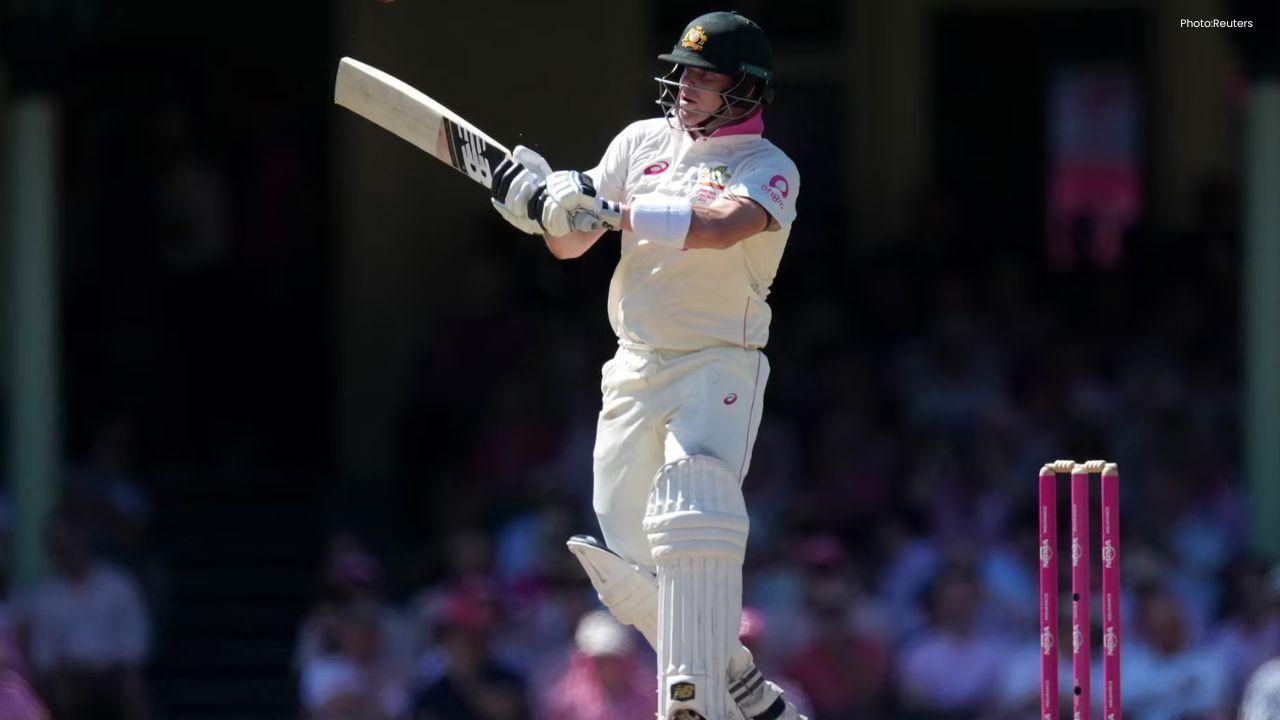
Australia 50/3 After Bangladesh Bowled Out for 64 in Second Test
Australia reached 50/3 after Bangladesh were bowled out for 64 in the second Test, with Mitchell Sta
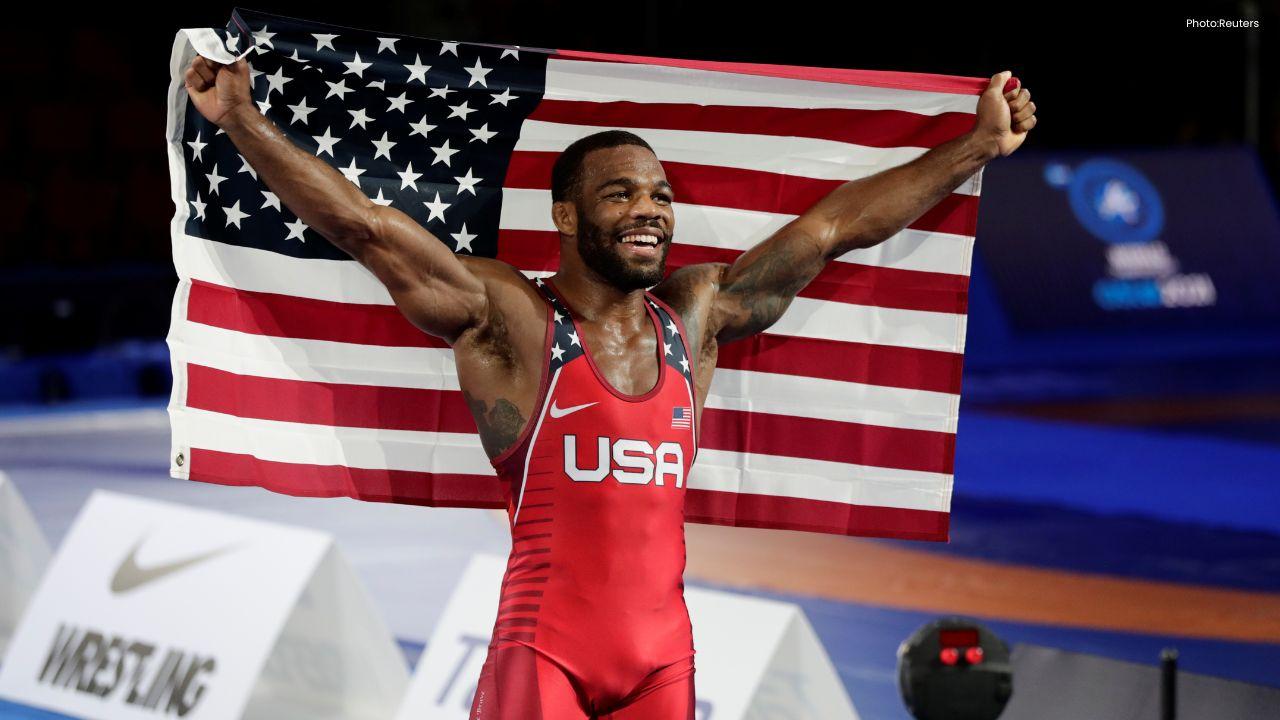
Jordan Burroughs Returns to Wrestling with 2028 Olympic Dream
Jordan Burroughs returns to wrestling with Real American Freestyle as the Olympic champion eyes a po