
You have not yet added any article to your bookmarks!
Join 10k+ people to get notified about new posts, news and tips.
Do not worry we don't spam!
Post by : Saif Rahman
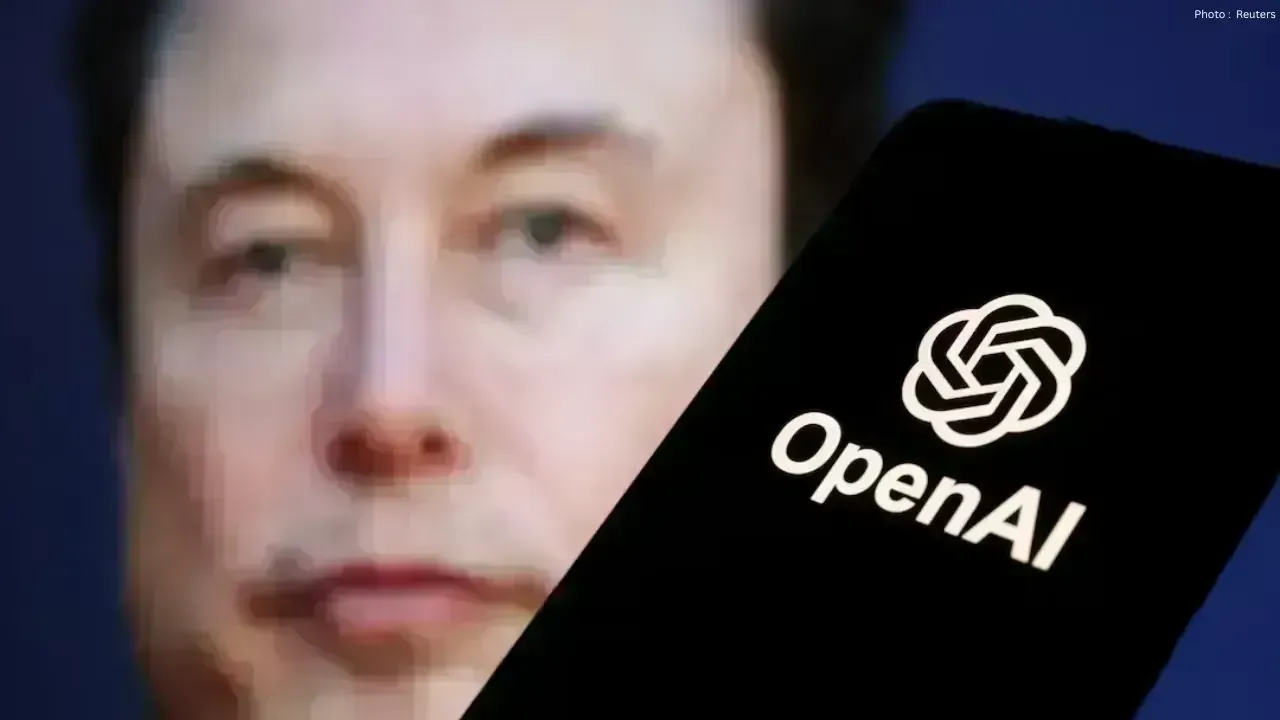
A significant ruling has emerged from the ongoing legal battle between Elon Musk and OpenAI, as a US court has decided to dismiss the fraud claims presented by Musk. However, the trial will continue to address other pivotal matters, ensuring that legal proceedings remain active.
The case is currently in a federal court in the United States. The judge determined that Musk's fraud accusations lacked sufficient evidence to advance. Nonetheless, other elements of the lawsuit, such as concerns regarding trust and the company's obligations, will still be evaluated during the trial.
Elon Musk, an initial founder of OpenAI, has contended that the organization diverged from its foundational mission. He stated that OpenAI was established as a nonprofit aimed at benefiting humanity but later transitioned to a profit-driven model, a move Musk argues contradicts the original vision.
In response, Sam Altman and the OpenAI team have refuted Musk's assertions, explaining that the structural changes within the company were vital for securing funding and advancing the development of cutting-edge AI technologies. They believe that substantial investments are essential to remain competitive and foster innovation in the sector.
The dismissal of the fraud allegations marks a crucial phase in the case, as proving fraud involves demonstrating clear intent to deceive. By eliminating this component, the court has sharpened its focus on other significant issues at hand.
The trial will now examine whether OpenAI has remained faithful to its initial mission and if its transition was managed transparently and equitably. These discussions are critical, as they relate to trust, accountability, and the responsibilities of tech companies within society.
This high-profile case has garnered international attention due to its involvement of prominent individuals and a leading player in the AI arena. It poses broader questions about the development and governance of artificial intelligence. As AI capabilities expand, there are growing public concerns regarding ethics, oversight, and responsibility.
The trial's outcome could significantly influence the tech landscape, potentially affecting how companies reconcile public good with profit motives. It may also inform the structure and regulation of future AI enterprises.
This ruling underscores the important role courts play in resolving disputes within rapidly evolving industries such as technology. Although one facet of the case has been discarded, the remaining allegations remain weighty and will be under thorough scrutiny.
As preparations for the trial continue over the next few months, both parties are readying their cases. The final verdict could determine not only OpenAI’s future but also shape the trajectory of the global AI landscape.









APEC Members Emphasise Safe and Responsible Use of Artificial Intelligence
APEC members discuss responsible AI use, digital innovation and data governance as China and the US

Union of European Clubs Challenge UEFA and EFC Over EU Competition Rules
UEC files an EU competition complaint against UEFA and EFC, challenging club representation, governa

Mohammed Shami Retires From Test Cricket, Eyes White-Ball Career
Mohammed Shami retires from Test cricket after 13 years, with 229 wickets. He will continue playing

Singapore Warns Users About Privacy and Security Risks of AI Agents
Singapore warns users about AI agent security risks, data privacy, online scams and unauthorised acc

Chris Lynn Completes One-Month Ban After Positive Cocaine Test
Australian cricketer Chris Lynn completes a one-month ban after a positive cocaine test during the T
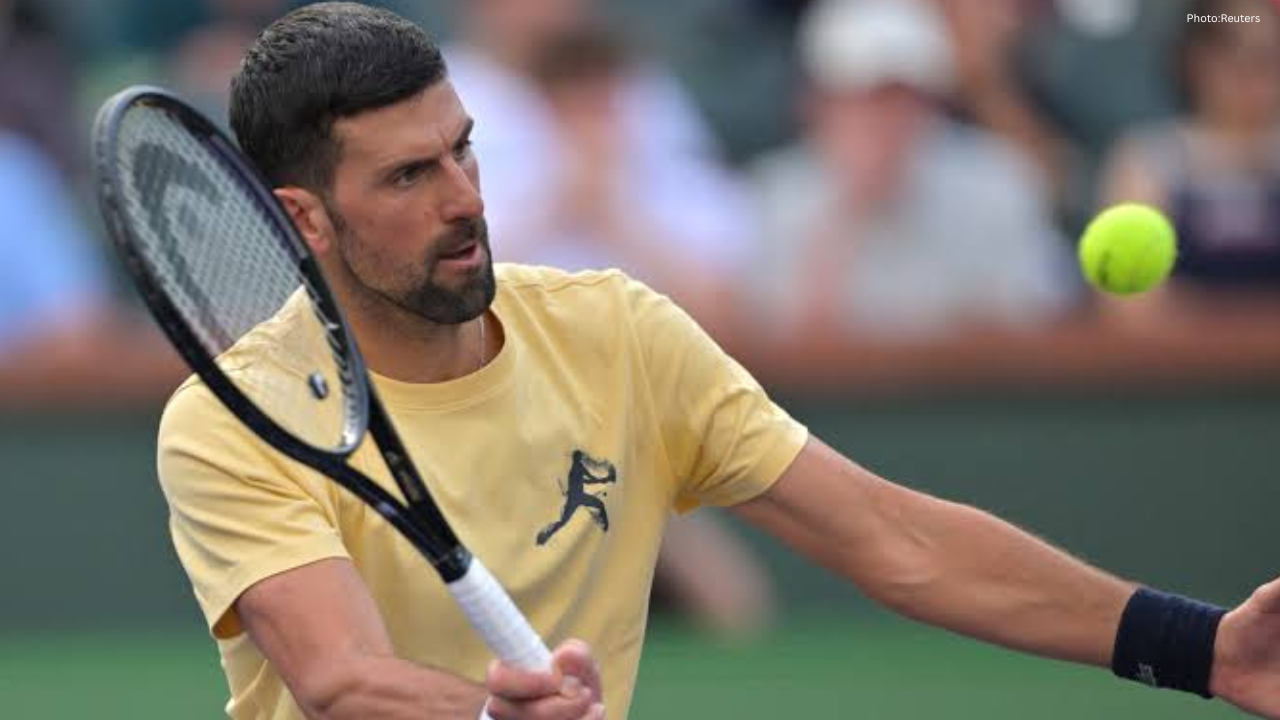
Djokovic Eyes Strong Season Finish as Health Improves Ahead of Paris Masters
Novak Djokovic reports improved health and performance as he targets a strong Paris Masters finish a