You have not yet added any article to your bookmarks!
Join 10k+ people to get notified about new posts, news and tips.
Do not worry we don't spam!
Post by : Anis Farhan
By 2025, holidays have moved beyond simple leisure: people now seek trips that reflect personal health, lifestyle and flexible work patterns. Two dominant approaches have crystallised — the compact, culture-rich urban escape and the slow, restorative nature retreat. Comparing what draws travellers to each option reveals wider shifts in how tourism is planned and experienced today.
Urban getaways lure those craving culture, dining and social activity; rural and wild destinations attract travellers after silence, outdoor activity and disconnection. Factors such as remote work, a stronger focus on mental health, and greener choices are reshaping preferences and the very purpose of travel.
Short city stays continue to appeal for their dense cultural offerings and practical ease. Modern cities present a blend of galleries, live events, innovative dining and tech-led experiences that can be packed into a long weekend. Many visitors favour destinations that provide well-designed, bookable experiences — from specialist food tours to contemporary arts showcases.
Convenience is a standout advantage: public transport, a wide range of accommodation and concentrated attractions simplify planning and make urban trips attractive for brief escapes or work-enabled travel. Cities are also expanding wellness options within the urban fabric, integrating fitness, mindful dining and spa services into daily city life.
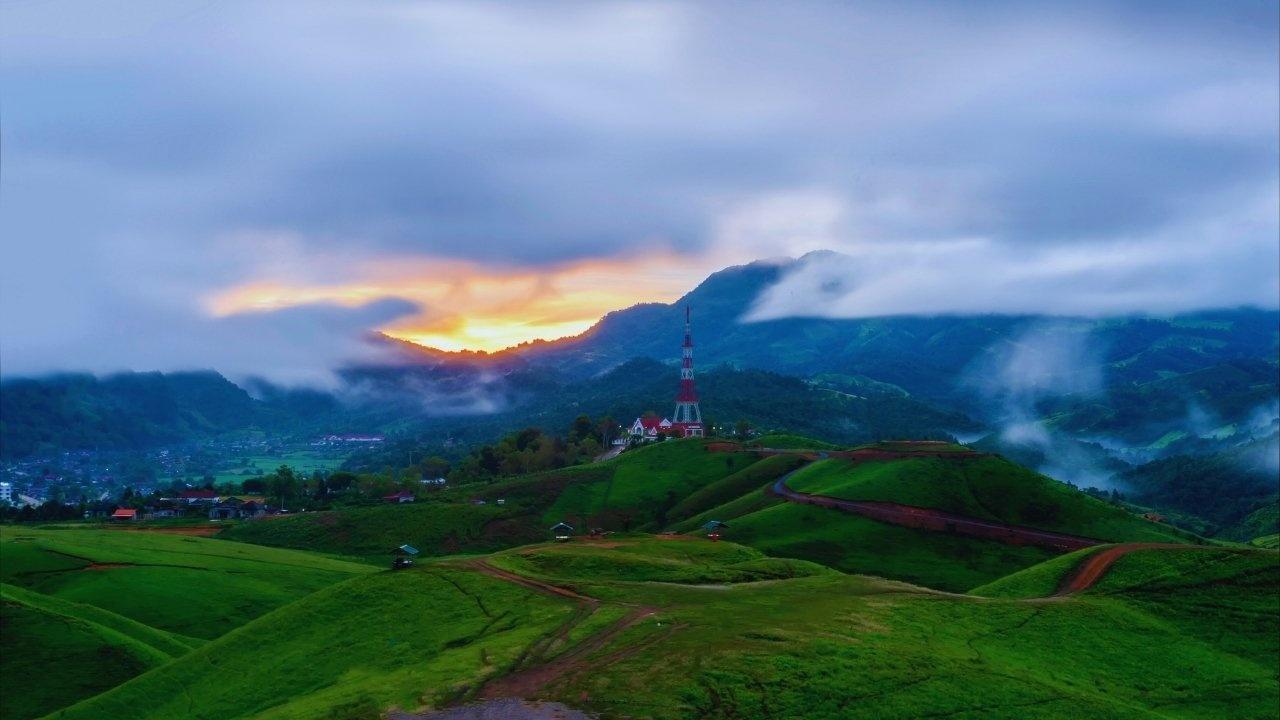
Nature-based travel has surged as people prioritise time away from screens and fast rhythms. Forests, coastlines, mountains and protected parks offer environments for slower living, outdoor pursuits and mental recovery. Many travellers now pick destinations that encourage unplugging and physical reconnecting with natural surroundings.
Wellness and nature are increasingly intertwined: guided hikes, paddling, outdoor meditation and eco-friendly lodgings turn trips into restorative programs. For many, mental health improvement is a primary objective when choosing nature-centred travel.
Digital tools are shaping both city and nature travel. In urban settings, apps help visitors navigate, find curated events and access augmented cultural layers. For wild spaces, technology supports sustainable bookings, safety tracking and guided outdoor experiences. Yet a contradiction remains: tech both enables trips and is the very reason some travellers seek digital respite.
This dual role of technology underlines the complex choices modern travellers make when balancing convenience with the desire to disconnect.
Environmental awareness is central to travel choices in 2025. Cities are adopting greener hospitality practices — from low-impact restaurants to eco-certified hotels — attracting visitors who want vibrant experiences with lower footprints. Urban destinations emphasising sustainability win favour among responsible travellers.
At the same time, nature destinations highlight conservation, minimal-impact stays and community support. Many travellers now select itineraries based on ecological credentials, reflecting a broader cultural shift toward sustainable consumption.
Wellness considerations now inform trip selection. Urban weekends can offer stimulation, social interaction and cultural enrichment that feed personal development. Nature retreats provide restorative benefits that reduce stress and boost mental clarity. Both routes serve wellbeing, albeit in different ways.
Surveys show younger travellers increasingly factor mental health into planning, looking for experiences that combine movement, reflection and social connection — whether in cities or in nature.
Travel patterns in 2025 vary by age, family status and finances. Younger adults often favour energetic city experiences with nightlife and networking value. Older travellers and families may opt for nature-focused holidays that prioritise pace, education and bonding. Cost considerations also matter: urban trips can scale to budgets more easily, while nature travel sometimes requires extra logistics and specialised stays.
These distinctions point to the need for more personalised travel planning and offerings that match diverse priorities.
An increasing number of travellers combine both worlds: a few days of urban culture followed by time in a nearby natural retreat. These hybrid models satisfy the appetite for stimulation and the need for recovery, and they are reflected in new travel packages that blend city and wilderness experiences.
Operators and platforms are responding with integrated options that appeal to those seeking balance — social engagement, wellness and sustainability in one trip.
Wellness tourism connects urban and natural choices: city-based spa programmes, mindful dining and fitness hubs sit alongside forest bathing, yoga retreats and eco-therapy in natural settings. The sector is evolving to offer tailored experiences that align travel with personal health targets.
By framing trips around wellbeing, travellers can leave with tangible benefits, independent of whether they chose a city or nature destination.
Choosing between an urban break and a nature retreat in 2025 is less about simple preference and more about aligning travel with personal values, health goals and sustainability concerns. Cities promise energy, culture and convenience; natural settings offer calm, reflection and restoration. For many, the best solution will be a mix of both.
Recognising these motivations helps travellers, planners and the tourism industry design experiences that deliver fulfilment, resilience and lasting memories.
This article is for informational purposes only and does not constitute travel or medical advice. Readers should verify local conditions, health guidance and entry rules before travelling.







Singapore Haze: PM2.5 Pollution Rises in Three Regions
Singapore haze worsens as PM2.5 reaches high levels in three regions. Check air quality, health risk

G7 to Hold AI Cybersecurity Exercises to Protect Financial Systems
G7 finance leaders will conduct AI cybersecurity exercises to prepare for cyber attacks and protect

Spain's Diego Poncelet Sets Skateboarding World Speed Record
Spain's Diego Poncelet reaches 151.83 km/h in a record-breaking downhill skateboard run in Canada, s

Hyundai Recalls 94,622 US Vehicles Over Potential Fire Risk
Hyundai recalls 94,622 US vehicles over overheating seat motors. Check affected Genesis models, fire

Nvidia Pledges $250 Million for UK AI Safety Research
Nvidia will provide $250 million in computing resources over five years to support AI safety researc

Jacob Bethell Returns as England Name Squads for Australia Tour
England name ODI and T20 squads for the Australia tour, with Jacob Bethell returning from injury and