
You have not yet added any article to your bookmarks!
Join 10k+ people to get notified about new posts, news and tips.
Do not worry we don't spam!
Post by : Rameen Ariff
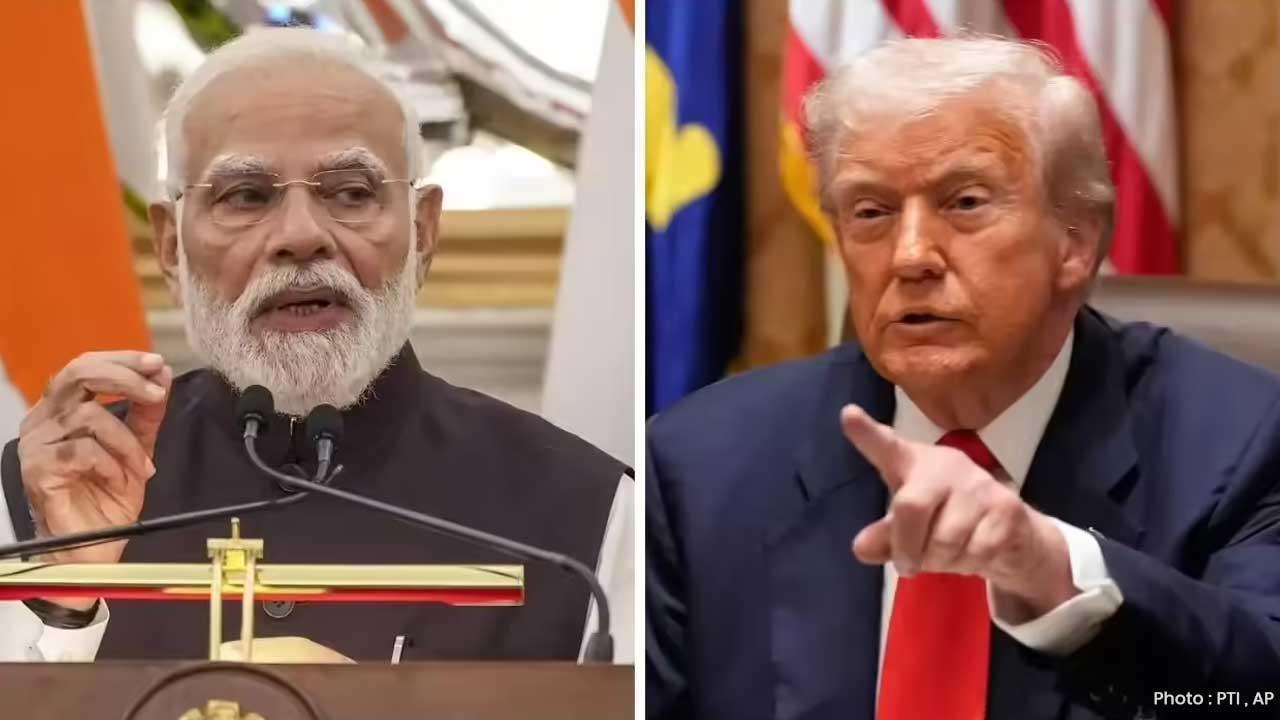
In a fresh political exchange, the Congress party targeted the Modi government after former US President Donald Trump reiterated that India is “not going to buy much oil from Russia.” Congress general secretary Jairam Ramesh said this is the fourth time in just six days that Trump has publicly announced India’s foreign policy stance, raising questions about transparency in Prime Minister Narendra Modi’s diplomacy. The Congress criticized Modi, stating, “What he conceals, Trump reveals,” suggesting a disconnect between public communication and private agreements.
Trump made the comments following a phone call with Modi, during which the two leaders discussed multiple issues, with trade being a central focus. Speaking at a White House Diwali event, Trump said the leaders “talked about a lot of things, but mostly the world of trade — he’s very interested in that.” While Trump emphasized that India would scale down its Russian oil purchases, Prime Minister Modi acknowledged the call on social media, simply thanking Trump for his “warm Diwali greetings,” without disclosing details of their discussions.
The Congress’s reaction underscores the opposition’s concern over India’s foreign policy communication, particularly regarding sensitive energy imports. Analysts note that India imports a significant portion of its crude from Russia, and any reduction could have strategic and economic implications. With Trump publicly commenting multiple times, the Congress highlighted the perceived lack of clarity from Modi’s administration. The ongoing dialogue between India and the US over energy, trade, and diplomatic matters remains closely watched both domestically and internationally.
Political experts suggest that this episode could intensify scrutiny over India-US relations and domestic political debates. The Congress’s criticism frames the narrative around accountability and transparency, while Modi’s response maintains a careful balance, acknowledging goodwill without confirming policy specifics. As India navigates complex international energy and trade dynamics, the public and political stakeholders are likely to continue analyzing statements from both Indian and foreign leaders for clarity on future directions.
This exchange reflects the growing importance of communication strategy in international diplomacy and domestic politics, as repeated foreign statements can influence both markets and public perception. The Congress’s emphasis on transparency puts pressure on the Modi government to articulate its foreign policy more clearly, especially on critical issues like energy security and trade.










PM Modi Pays Tribute to Mahatma Gandhi, Urges People to Support Khadi
PM Modi pays tribute to Mahatma Gandhi on Gandhi Jayanti and urges citizens to support Khadi and the

Amazon Seeks to Offload $8 Billion in Nvidia Chips to Investors
Amazon plans to move $8 billion in Nvidia chips to investors, using a new financing model to strengt

Samsung Raises Galaxy S26 Prices as Memory Chip Costs Rise
Samsung raises Galaxy S26 prices in South Korea as rising memory chip costs put pressure on smartpho

Lewis Hamilton Calls Singapore Grand Prix One of F1's Toughest Races
Lewis Hamilton discusses the demanding Singapore Grand Prix and brings Plus44 and Almave to Singapor

Denmark's Pandora Opens World's Largest Jewellery Factory in Vietnam
Pandora opens its largest jewellery factory in Vietnam, expanding global production, strengthening s

Gautam Gambhir Questions Batting-Friendly Pitches After India's Record ODI Chase
Gautam Gambhir questions batting-friendly ODI pitches after India’s record chase, calling for a bett

