You have not yet added any article to your bookmarks!
Join 10k+ people to get notified about new posts, news and tips.
Do not worry we don't spam!
Post by : Saif Rahman
In an alarming escalation in the Middle East, Iran has charged the United States with the deaths of five civilians from assaults on boats in the Strait of Hormuz. This accusation intensifies worries regarding civilian safety, ongoing conflicts, and the potential for further casualties.
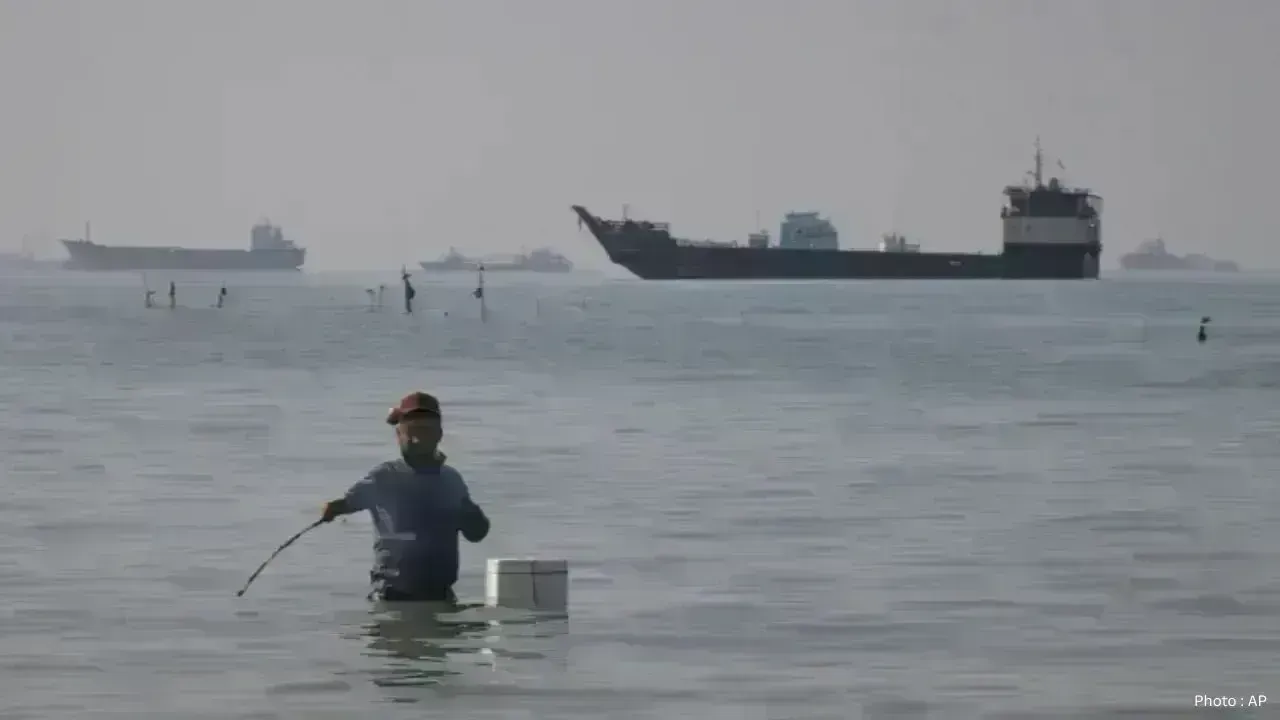
Officials from Iran assert that US forces targeted vessels they presumed to be hostile, yet Iran maintains these boats were transporting civilians, not engaged in military activities. Reports indicate that two small boats, used for cargo or passenger transport, were attacked while making their way between Oman and Iran, resulting in five fatalities.
In contrast, US military representatives have offered a different account, claiming they engaged and destroyed several small vessels that posed a threat to nearby commercial shipping. This action was part of an extensive operation aimed at safeguarding shipping lanes in the strategically vital Strait of Hormuz.
The conflicting narratives underscore a prominent issue in conflict zones—clarity is often lost. Each party articulates its version, complicating the international community's understanding of events. The sensitive and tightly controlled nature of the region makes independent verification particularly challenging.
The Strait of Hormuz stands as a crucial conduit for global oil transport, with a substantial portion of the world’s oil traveling through this narrow waterway daily. Consequently, tensions in this region have the potential to escalate into broader geopolitical concerns. Recent military maneuvers, including missile strikes and drone operations, have heightened the unease.
The reported civilian casualties trigger serious humanitarian alarms. International law mandates the protection of civilian lives, even amidst conflict. Incidents of this nature spotlight the dangers ordinary individuals face when ensnared in warfare.
This instance marks a recurring pattern of civilian harms reported throughout the ongoing conflict. Prior instances indicate non-combatant deaths, including those of sailors and workers, linked to hostilities, illustrating the perilous environment for those uninvolved in warfare.
Another pressing issue is the escalating distrust among nations. Such accusations complicate diplomatic efforts, as mutual blame impedes the search for consensus, making it increasingly difficult to de-escalate tensions.
The ramifications extend to global stability, as Middle Eastern conflicts often reverberate far beyond their borders, causing oil prices to rise, trade routes to be disrupted, and an increased military presence in affected areas, impacting numerous countries.
Experts caution that ongoing military actions amplify the likelihood of further errors or misunderstandings. In crowded locales like the Strait of Hormuz, a single misstep can have dire consequences.
Following this incident, calls for investigations and accountability are anticipated to mount. Many stakeholders demand transparency regarding the events and adherence to established engagement protocols.
The broader challenge remains in preventing similar incidents in the future. Steps to minimize tensions, foster clear communication, and establish strict military engagement rules are critical to safeguarding civilian lives and enhancing stability.
The recent developments remind us that contemporary conflicts often affect everyday individuals in profound and tragic ways. As tensions persist, it is vital to prioritize human life and forge pathways to mitigate further escalation.







Lamborghini Catches Fire on Singapore's ECP, Causing Heavy Traffic
A Lamborghini caught fire on Singapore's ECP, causing heavy traffic and bus delays. No injuries were

Bangkok Airport Duty-Free Area Flooded by Pipe Burst
A burst water pipe flooded the duty-free shopping area at Bangkok's Suvarnabhumi Airport on July 16,
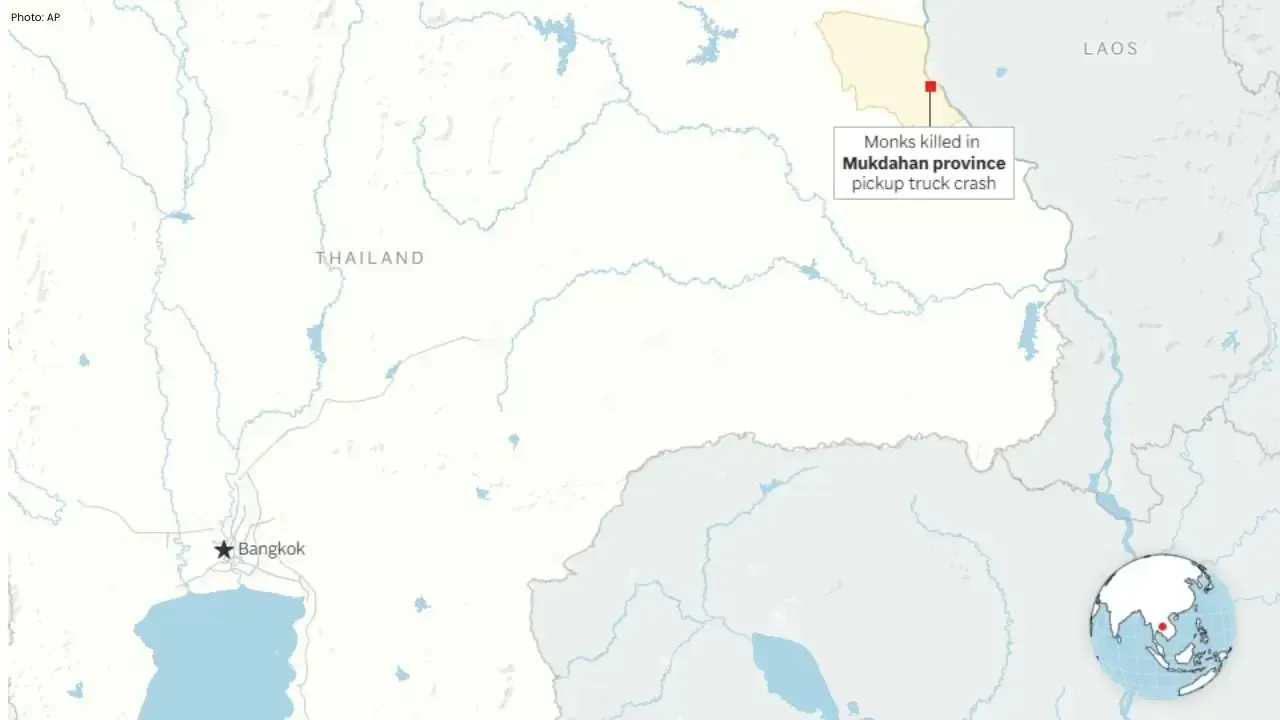
Nine Monks Killed in Thailand Pickup Truck Tragedy
An 11-year-old boy driving a pickup truck crashed into monks during a pilgrimage in northeastern Tha
Anwar Congratulates Xi on CPC's 105th Anniversary
Malaysia reaffirms strong ties with China as PM Anwar Ibrahim sends a congratulatory letter to Presi
Thai Agriculture Team Reviews 2026 Farm Development Plans
Agriculture Ministry officials inspected livestock and organic rice projects in Nakhon Sawan to moni

Thailand, Canada Boost Ties in PM-Level Phone Talks
Thailand and Canada agreed to strengthen trade, security, OECD cooperation and ASEAN-Canada FTA talk