
You have not yet added any article to your bookmarks!
Join 10k+ people to get notified about new posts, news and tips.
Do not worry we don't spam!
Post by : Rameen Ariff
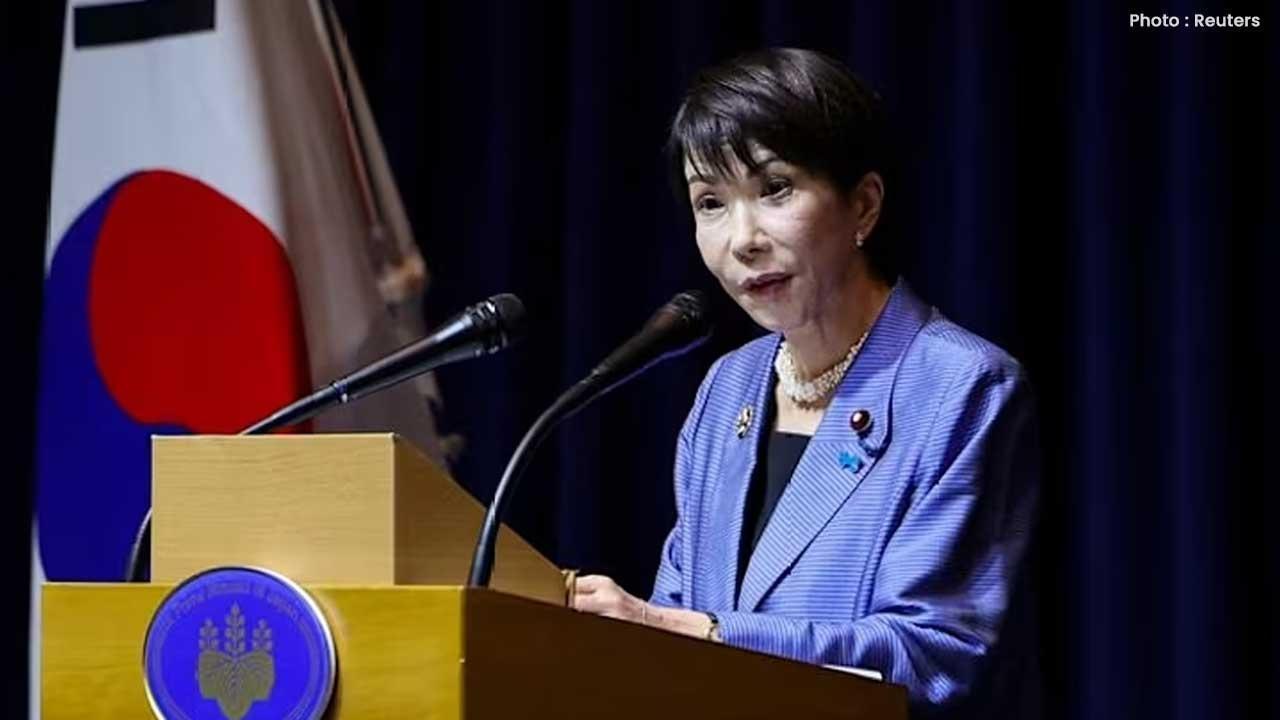
China has issued a stern warning to its citizens, advising them against travel to Japan, in response to escalating tensions triggered by Japanese Prime Minister Sanae Takaichi’s remarks about Taiwan. This diplomatic crisis has drawn in top diplomats and heightened concerns among the public.
The conflict sparked last Friday when Takaichi suggested in the Japanese Parliament that Japan’s Self-Defense Forces could be mobilized in the event of a crisis in the Taiwan Strait, labeling such a situation as a “survival-threatening situation,” a legal designation under Japan’s security laws allowing military action when an ally is at risk.
Beijing condemned the statement as “outrageous” and accused Japan of meddling in China’s domestic issues. The situation escalated when Xue Jian, China’s consul general in Osaka, shared a Japanese news article along with an inflammatory comment that implied a threat towards the Japanese prime minister, which provoked a strong outcry in Tokyo.
In swift response, Japan lodged a formal complaint and called for action against Xue. Beijing countered with its own protest, arguing that Takaichi’s comments were dangerously provocative. Despite facing diplomatic pressure, Takaichi stood firm, asserting her comments reflected Japan’s longstanding policy regarding Taiwan.
China’s foreign ministry further escalated tensions by issuing a warning to Japan in both Japanese and English to “stop playing with fire.” Vice Foreign Minister Sun Weidong summoned Japan’s ambassador in Beijing, branding Takaichi’s comments as “extremely wrong and dangerous” and demanding their retraction, imposing a warning that Japan would face severe consequences if it did not comply.
Japan’s ambassador reiterated Tokyo's commitment to a peaceful resolution regarding Taiwan through dialogue.
On Friday night, the situation intensified as the Chinese embassy in Tokyo issued a travel advisory urging its citizens to avoid Japan due to “provocative remarks regarding Taiwan.” This unusual warning signifies Beijing’s intent to elevate the matter beyond mere diplomacy.
A Dark Historical Context
This confrontation has unearthed historical grievances, with China cautioning Japan that failure to learn from past conflicts would result in a “bitter price” due to China’s military strength.
Japan’s historical ties to Taiwan and its partnership with the U.S. increase the stakes. Takaichi, known for her hardline stance towards China, has long claimed that a blockade in the Taiwan Strait poses a direct threat to Japan’s security. Her political ascent and alignment with U.S. interests have alarmed Beijing.
China's sensitivity regarding Taiwan stems from its claim over the island, which it sees as part of its territory. For decades, the U.S. and Japan have maintained a policy of “strategic ambiguity” regarding potential military responses to any invasion, but Takaichi's explicit comments mark a shift from Japan's typical cautious rhetoric.
Earlier this month, China criticized Takaichi for meeting a Taiwanese official at the APEC summit, alleging she contradicted the “one-China principle.”
Understanding the Stakes
For Beijing, talks of foreign defense concerning Taiwan equate to an infringement on its sovereignty. Conversely, for Tokyo, Taiwan's proximity and strategic significance mean its security directly influences Japan’s defense policies.
China’s foreign ministry labeled Takaichi’s comments as “gross interference,” asserting that Japan should not “challenge China’s core interests.”
In response, Japan has reiterated the importance of dialogue over aggression in cross-Strait interactions.
Regional Stability at Risk
This incident highlights the increasingly volatile nature of regional dynamics. With both nations exchanging strong warnings and escalating rhetoric, analysts fear that miscalculations could further destabilize the area.
As China and Japan, two major powers in Asia, confront one of their most significant conflicts in years, the situation surrounding Taiwan continues to stoke a deepening geopolitical crisis.










PM Modi Pays Tribute to Mahatma Gandhi, Urges People to Support Khadi
PM Modi pays tribute to Mahatma Gandhi on Gandhi Jayanti and urges citizens to support Khadi and the

Amazon Seeks to Offload $8 Billion in Nvidia Chips to Investors
Amazon plans to move $8 billion in Nvidia chips to investors, using a new financing model to strengt

Samsung Raises Galaxy S26 Prices as Memory Chip Costs Rise
Samsung raises Galaxy S26 prices in South Korea as rising memory chip costs put pressure on smartpho

Lewis Hamilton Calls Singapore Grand Prix One of F1's Toughest Races
Lewis Hamilton discusses the demanding Singapore Grand Prix and brings Plus44 and Almave to Singapor

Denmark's Pandora Opens World's Largest Jewellery Factory in Vietnam
Pandora opens its largest jewellery factory in Vietnam, expanding global production, strengthening s

Gautam Gambhir Questions Batting-Friendly Pitches After India's Record ODI Chase
Gautam Gambhir questions batting-friendly ODI pitches after India’s record chase, calling for a bett

