You have not yet added any article to your bookmarks!
Join 10k+ people to get notified about new posts, news and tips.
Do not worry we don't spam!
Post by : Rameen Ariff
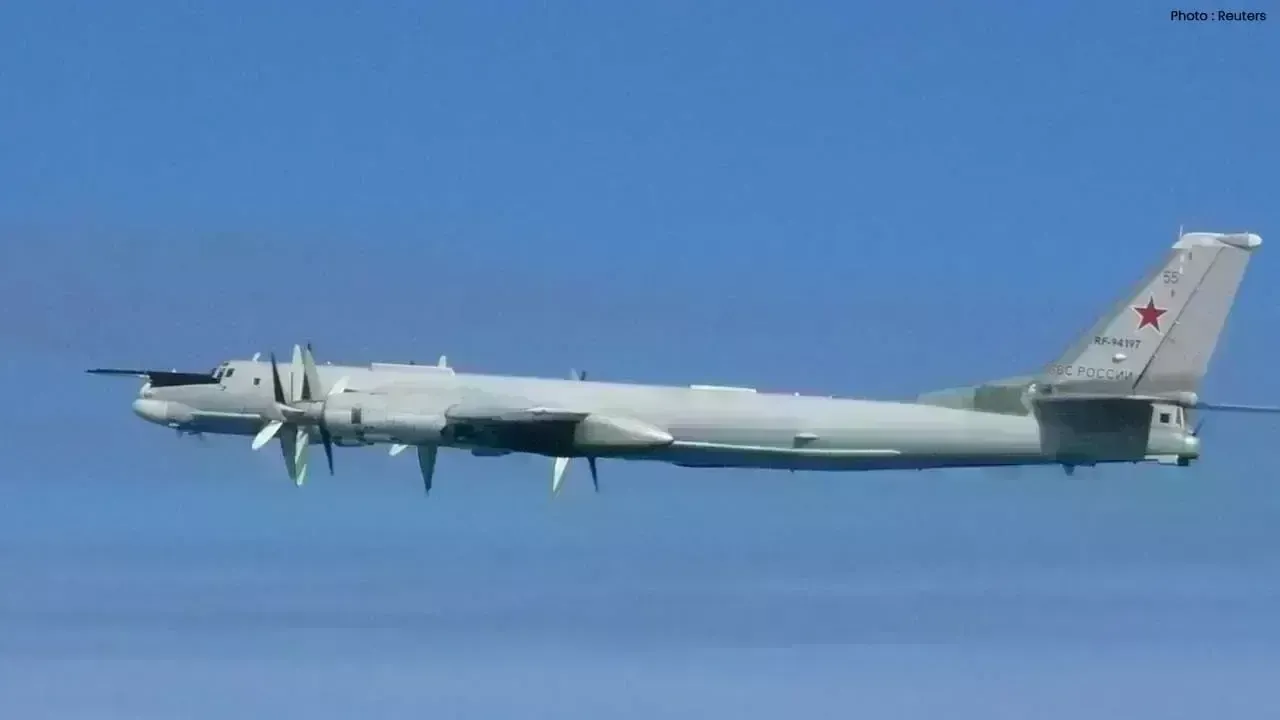
Tensions in East Asia escalated this week as Russian and Chinese bombers conducted a long-distance joint flight near Japan, prompting swift military responses from Tokyo and Seoul. The Japanese Defence Ministry reported that the operation involved two Russian Tu-95 nuclear-capable strategic bombers and two Chinese H-6 bombers, escorted by four Chinese J-16 fighter jets, flying between Okinawa and Miyako islands. The Japanese Defence Minister Shinjiro Koizumi described the maneuvers as a "show of force," raising serious concerns for national security.
South Korea confirmed that seven Russian planes and two Chinese aircraft entered its air defence zone, heightening regional security concerns. The joint flight reportedly lasted eight hours, drawing international attention to the military activities in the region.
For the first time, the United States publicly criticised China for directing military radars at Japanese aircraft last week. A spokesperson from the State Department warned that China's actions were "not conducive to regional peace and stability," highlighting growing US concerns over Chinese military assertiveness in the East China Sea and around Japan.
In response, China maintained that its exercises were conducted safely and in a restrained manner, following international law. Chinese Foreign Ministry spokesperson Guo Jiakun urged the international community to judge the situation fairly and avoid being influenced by Japan, also calling on Japan's allies to remain cautious and not be manipulated by Japanese claims.
The incident follows remarks by Japanese Prime Minister Sanae Takaichi last month regarding potential responses to a Chinese attack on Taiwan, which Beijing interpreted as a threat. China demanded a retraction and accused Tokyo of escalating military tensions, while also advising citizens against unnecessary travel to Japan. Former US President Donald Trump reportedly contacted Takaichi last month, urging her to avoid actions that might further escalate the dispute.
The US reiterated its strong alliance with Japan, emphasizing that the U.S.-Japan partnership remains “stronger and more united than ever.” Washington also confirmed that it is closely monitoring developments and maintaining open channels with Tokyo on this and other security matters.
The recent joint flight by Russia and China underscores rising tensions in East Asia, where military posturing, radar incidents, and strategic alliances continue to test regional stability. Japan and South Korea’s rapid responses reflect ongoing vigilance as countries in the region assess threats and maintain readiness amid increasingly complex security challenges.




Josh Kerr and Jakob Ingebrigtsen Set for 1,500m Rivalry Rematch
Josh Kerr and Jakob Ingebrigtsen will renew their 1,500m rivalry at the Ultimate Championship in Bud

PSG Coach Luis Enrique Urges Players to Step Outside Comfort Zone
PSG coach Luis Enrique says players must leave their comfort zone and keep improving as the club tar

China’s Tiangong Sets New 400m Record at Robot Olympics
China’s Tiangong robot sets a new 400m record at the Robot Olympics, beating a South African robot i
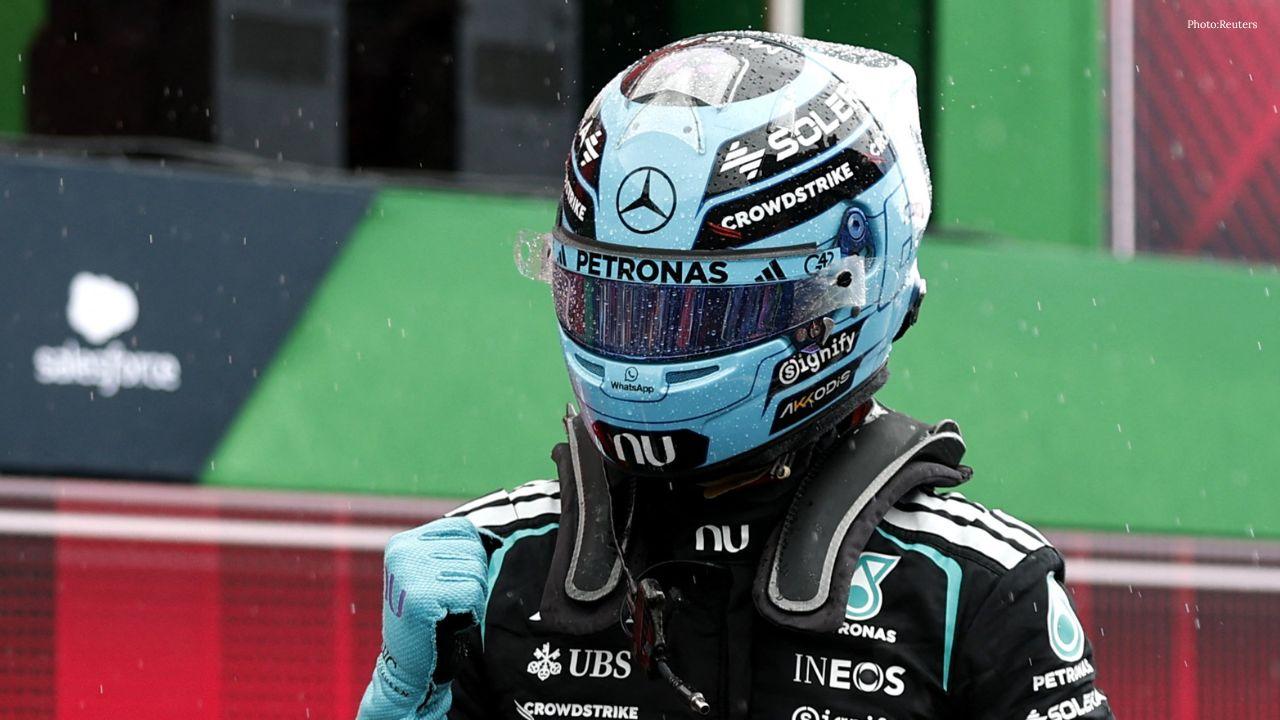
George Russell Wins Dutch GP Sprint, Boosts Mercedes Morale
George Russell wins the Dutch GP Sprint from pole as Mercedes teammate Kimi Antonelli extends his F1
Australia 50/3 After Bangladesh Bowled Out for 64 in Second Test
Australia reached 50/3 after Bangladesh were bowled out for 64 in the second Test, with Mitchell Sta

Jordan Burroughs Returns to Wrestling with 2028 Olympic Dream
Jordan Burroughs returns to wrestling with Real American Freestyle as the Olympic champion eyes a po