You have not yet added any article to your bookmarks!
Join 10k+ people to get notified about new posts, news and tips.
Do not worry we don't spam!
Post by : Mikael Ariff
When people think of plant-based protein, the first foods that come to mind are usually paneer and tofu. These are both healthy options, but they’re not the only ones. The plant world has many other protein-rich foods that are tasty, affordable, and easy to include in your daily meals.
Whether you’re a vegetarian, vegan, or just someone who wants to eat less meat, you can still get enough protein to stay strong and healthy. Let’s look at some great sources of plant-based protein beyond paneer and tofu.
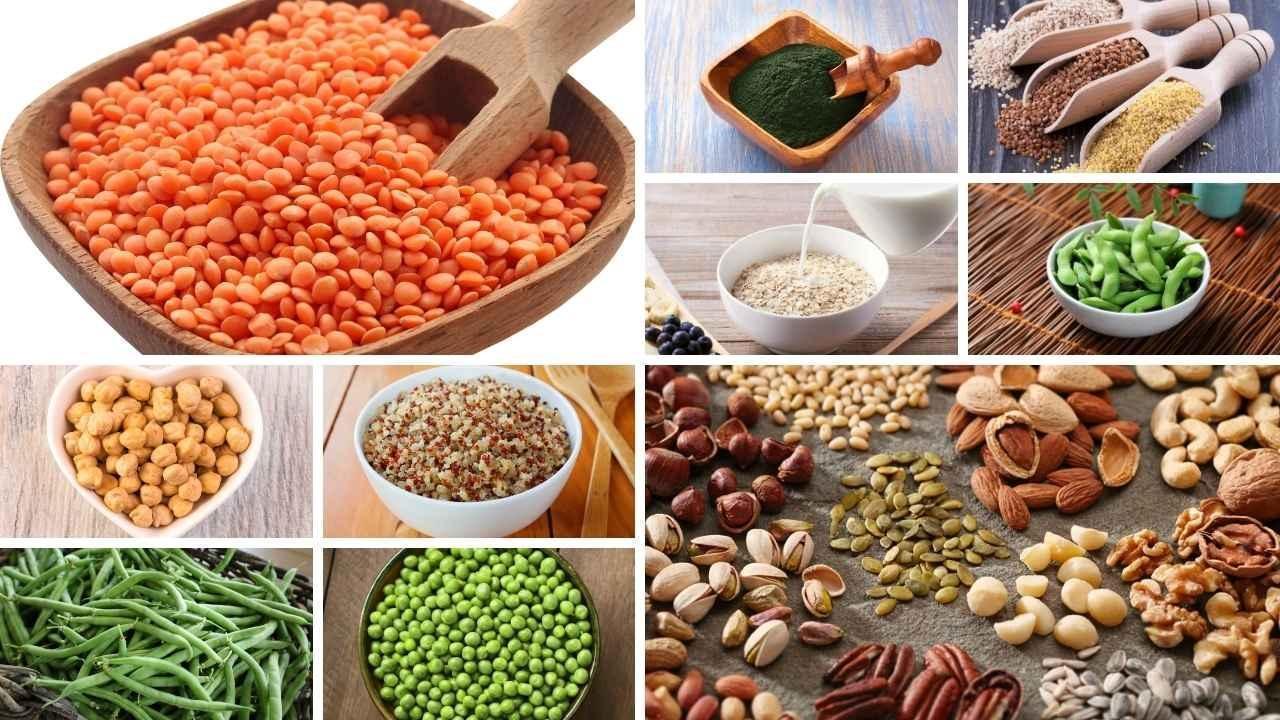
Lentils, known as dal in most Indian homes, are one of the best plant-based protein foods you can eat. Just one bowl of cooked lentils gives you around 18 grams of protein. They’re also rich in iron, fiber, and potassium, which help with digestion and heart health.
There are many types of lentils — moong, masoor, urad, and arhar — and all are nutritious. You can enjoy them as a warm bowl of dal with rice, make lentil soup, or even toss them into salads. They’re light, filling, and full of natural goodness.
Chickpeas, or chana, are full of protein and fiber, with about 15 grams of protein per cup when cooked. They help control hunger and keep blood sugar balanced.
You can cook chickpeas in many delicious ways — spicy chana masala, roasted snacks, or smooth hummus spread. They are also great for weight management and muscle strength. Chickpeas prove that healthy food can be simple and satisfying.
Quinoa is a small seed that has become very popular worldwide. It’s called a complete protein because it contains all nine essential amino acids that our body needs. One cup of cooked quinoa provides around 8 grams of protein, along with minerals like magnesium and iron.
It’s gluten-free, easy to digest, and can replace rice in your meals. You can eat quinoa as a salad, mix it with vegetables, or add it to soups. It’s a great option for anyone looking to eat light but stay energetic.
Beans like kidney beans (rajma), black beans, and soybeans are packed with nutrients. Depending on the type, they give about 14 to 16 grams of protein per cup.
They’re also rich in fiber and complex carbs, which give long-lasting energy and keep your stomach full for hours. You can make bean curries, soups, or even burgers using mashed beans. They also help lower cholesterol and support a healthy gut.
Nuts and seeds may be small, but they’re full of power. Almonds, walnuts, peanuts, chia seeds, flaxseeds, pumpkin seeds, and sunflower seeds are all excellent sources of protein and healthy fats.
For example, just two tablespoons of chia seeds give about 5 grams of protein and lots of omega-3 fatty acids, which are great for your heart and brain.
You can sprinkle nuts and seeds on your smoothies, salads, or morning oats. Just eat them in small amounts, as they are high in calories.
Green peas might seem like a simple side dish, but they’re actually packed with protein — about 9 grams per cup. They also have iron, vitamin C, and fiber, making them a great food for your overall health.
You can add peas to soups, pulao, and curries, or simply boil them with a little salt and pepper. Their mild flavor makes them perfect for both kids and adults.
Oats are an excellent breakfast choice if you want to start your day with protein and energy. One cup of oats provides around 6 grams of protein and lots of fiber, which helps with digestion.
You can make oatmeal, overnight oats, or blend them into smoothies. Oats help reduce cholesterol and keep you full for longer, so you don’t reach for junk food between meals.
Edamame are young, green soybeans that are high in protein — around 17 grams per cup. They’re also rich in vitamin K and folate, which are important for bone and heart health.
You can steam edamame, sprinkle a little salt, and eat them as a snack, or mix them into salads and noodles. They’re light, filling, and a fun way to enjoy protein.
Long before quinoa became famous, Indian kitchens had their own protein-rich grains — amaranth (rajgira) and millets like ragi, jowar, and bajra.
These grains are gluten-free and packed with calcium, iron, and protein. You can use them to make rotis, porridge, or pancakes. They’re a great way to eat healthy while keeping our traditional foods alive.
Spirulina is a blue-green algae that’s known as one of the world’s most powerful superfoods. It’s made up of nearly 60–70% protein and also contains iron, vitamin B12, and antioxidants.
Just a teaspoon added to your juice or smoothie can give your body a strong protein boost. It may not be common in every kitchen yet, but it’s growing in popularity among health-conscious people worldwide.
Eating a plant-based diet doesn’t mean giving up protein. Nature has already provided us with so many wonderful, protein-rich foods beyond paneer and tofu.
From lentils and chickpeas to seeds and ancient grains, each food brings something unique to your plate. The key is variety — when you mix different protein sources, your body gets all the nutrients it needs to stay strong and active.
With a balanced and creative approach, you can enjoy tasty, wholesome meals that give you energy, help build muscle, and protect your health — all while being kind to animals and the planet.
This article is intended for general health and nutrition awareness. The food information and diet suggestions mentioned are based on widely accepted nutritional practices and may not be suitable for everyone. Readers are encouraged to consult a certified nutritionist or healthcare professional before making major dietary changes. The publisher does not promote or endorse any specific food brand, supplement, or product mentioned in this article.










G7 to Hold AI Cybersecurity Exercises to Protect Financial Systems
G7 finance leaders will conduct AI cybersecurity exercises to prepare for cyber attacks and protect

Spain's Diego Poncelet Sets Skateboarding World Speed Record
Spain's Diego Poncelet reaches 151.83 km/h in a record-breaking downhill skateboard run in Canada, s

Hyundai Recalls 94,622 US Vehicles Over Potential Fire Risk
Hyundai recalls 94,622 US vehicles over overheating seat motors. Check affected Genesis models, fire

Nvidia Pledges $250 Million for UK AI Safety Research
Nvidia will provide $250 million in computing resources over five years to support AI safety researc

Jacob Bethell Returns as England Name Squads for Australia Tour
England name ODI and T20 squads for the Australia tour, with Jacob Bethell returning from injury and

Beauden Barrett Opens Up About Mental Struggles During All Blacks Exile
Beauden Barrett discusses his confidence struggles after missing six tests, his return against Austr