
You have not yet added any article to your bookmarks!
Join 10k+ people to get notified about new posts, news and tips.
Do not worry we don't spam!
Post by : Rameen Ariff
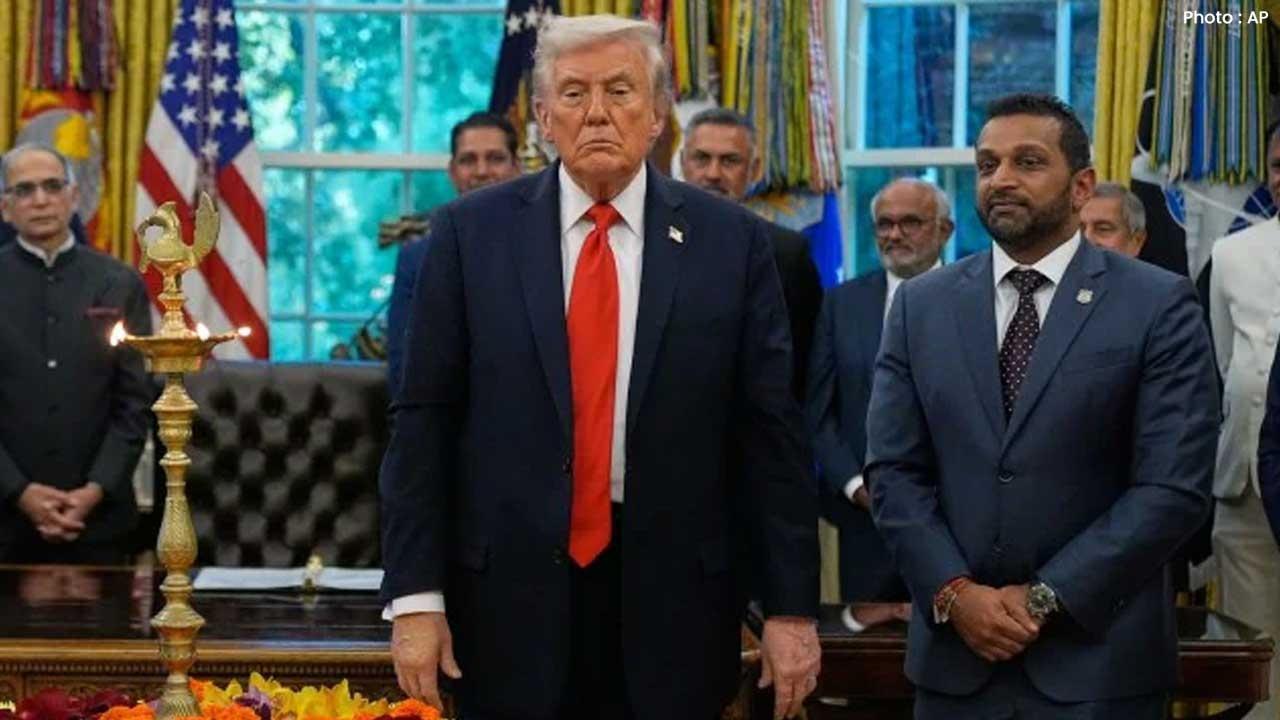
U.S. President Donald Trump has reiterated that India will gradually decrease its imports of Russian oil, following an assurance from Prime Minister Narendra Modi that purchases from Moscow will sharply fall by year's end. Addressing reporters at the White House, Trump highlighted India's commitment to reducing its reliance on Russian oil in a “step-by-step” manner. These statements emerge as Washington enforces new sanctions on Moscow amid the Russia-Ukraine conflict.
Trump noted that the Indian government has demonstrated “great cooperation” and is already lessening the portion of Russian oil in its total crude imports. He stated, “India has communicated to me their intention to cease. It’s a process; it can't happen overnight. By the year's end, they’ll be down to nearly nothing—about 40 percent of the oil. They’ve been excellent. I spoke with Prime Minister Modi yesterday, and they’ve been absolutely great.” These comments reflect his administration's pressure on countries importing Russian oil to curb Moscow’s revenue that finances the Ukrainian conflict.
Despite Trump’s assertions, New Delhi has categorically denied any agreement with the U.S. on Russian oil imports. The Ministry of External Affairs clarified that India's energy strategies are dictated by national interests, prioritizing stable prices and secure supply for its populace. Officials stressed that India’s oil approach centers on affordability and accessibility, not external pressure. As one of the fastest-growing energy consumers globally, economic experts warn that hastily reducing Russian oil imports could disrupt domestic markets and escalate consumer prices.
The Trump administration previously imposed a 50 percent tariff on select Indian imports, almost half of which is linked to New Delhi’s ongoing purchases of Russian crude. Regardless of rising tensions, Trump maintained a positive outlook, labeling India as an “important ally” and emphasizing the strength of his dialogue with Prime Minister Modi. The issue of Russian oil imports has become a vital aspect of Trump's broader strategy in global energy diplomacy, as Washington seeks to reshape international trade structures amid the ongoing Ukraine crisis.
Simultaneously, Trump expressed hope regarding his upcoming discussions with Chinese President Xi Jinping, signaling his willingness to use these talks to facilitate a peace agreement between Russia and Ukraine. He asserted that their meeting would focus on China's energy interactions with Moscow and aims to persuade Russia towards peace talks. Trump believes that China's economic clout and relations with Russia could be pivotal in ending the ongoing conflict.
“China has a different relationship with Russia,” Trump noted in response to questions about Beijing's stance. “Their relationship deteriorated previously, but due to Biden and Obama, they have been pushed closer together. While they shouldn’t be friendly, they are now more aligned than usual. I intend to discuss with President Xi how we might resolve the war between Russia and Ukraine, whether via energy or other means. I anticipate he will be very open to this dialogue.” This insight reflects his ambition to position the United States as a leading peace broker in Eastern Europe while maintaining pressure on nations engaging with Russia.
Washington has cautioned Beijing about dire economic repercussions if no progress is made in these discussions. The U.S. has threatened to impose tariffs of up to 155 percent on Chinese goods starting November 1 should the negotiations yield no results. Such measures represent one of the administration's most stringent economic warnings during Trump's second term, illustrating its rigorous approach to global trade and geopolitics.
These assertions come following fresh sanctions launched by Washington against Russian oil corporations Lukoil and Rosneft. These initiatives form part of Trump’s intensified attempts to diminish Moscow’s energy sector. His mounting frustration with Russian President Vladimir Putin is becoming increasingly evident, particularly as the conflict shows no signs of resolution.
As the global community closely monitors these developments, Trump's claims regarding India's stance on Russian oil, his plans to engage with Xi Jinping, and his renewed emphasis on peace negotiations indicate a high-stakes strategy intertwining diplomacy, economic pressure, and global energy politics. Whether these endeavors will yield substantial progress in the conflict between Russia and Ukraine remains to be seen, but Trump's strategy undeniably signals his ambition to restore America’s pivotal role in shaping the geopolitical future.

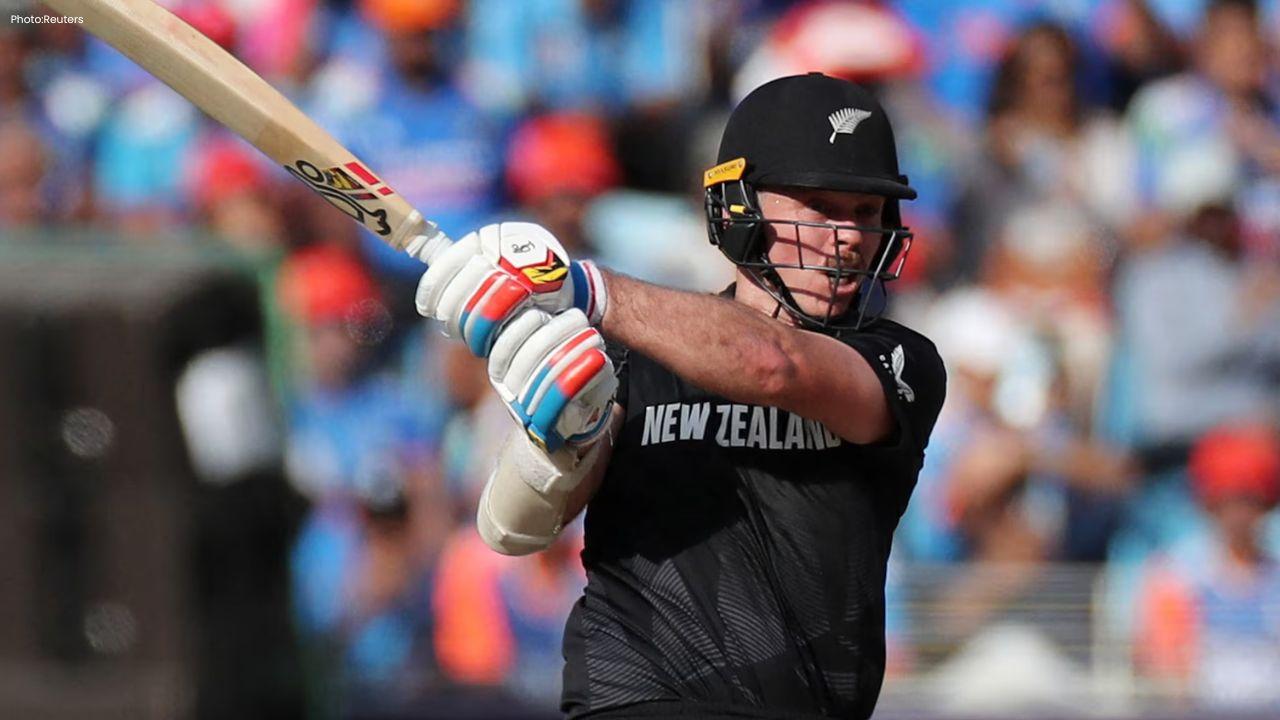


Michael Bracewell Chooses Casual Contract, Targets BBL Opportunity
Michael Bracewell moves to a casual contract as he eyes a BBL opportunity while remaining available

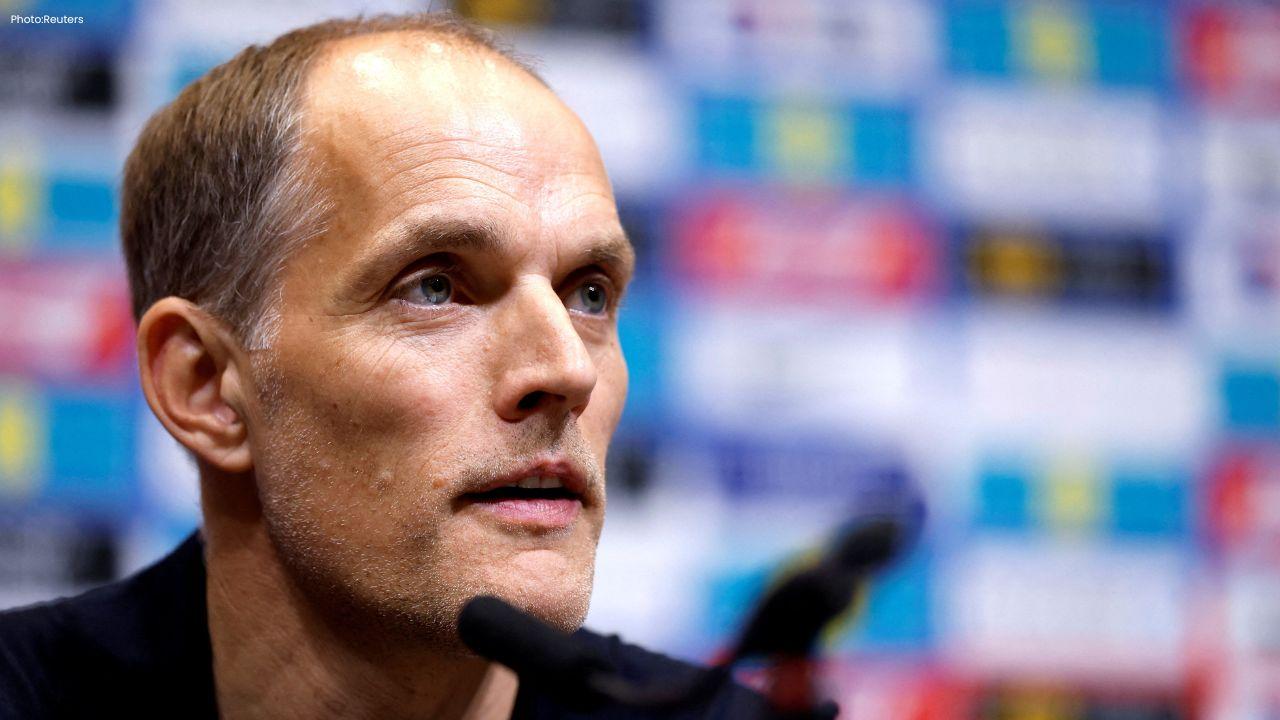
Tuchel Says Alex Scott Can Challenge Declan Rice for England Midfield Spot
Thomas Tuchel says Alex Scott can challenge Declan Rice for an England midfield place after his impr

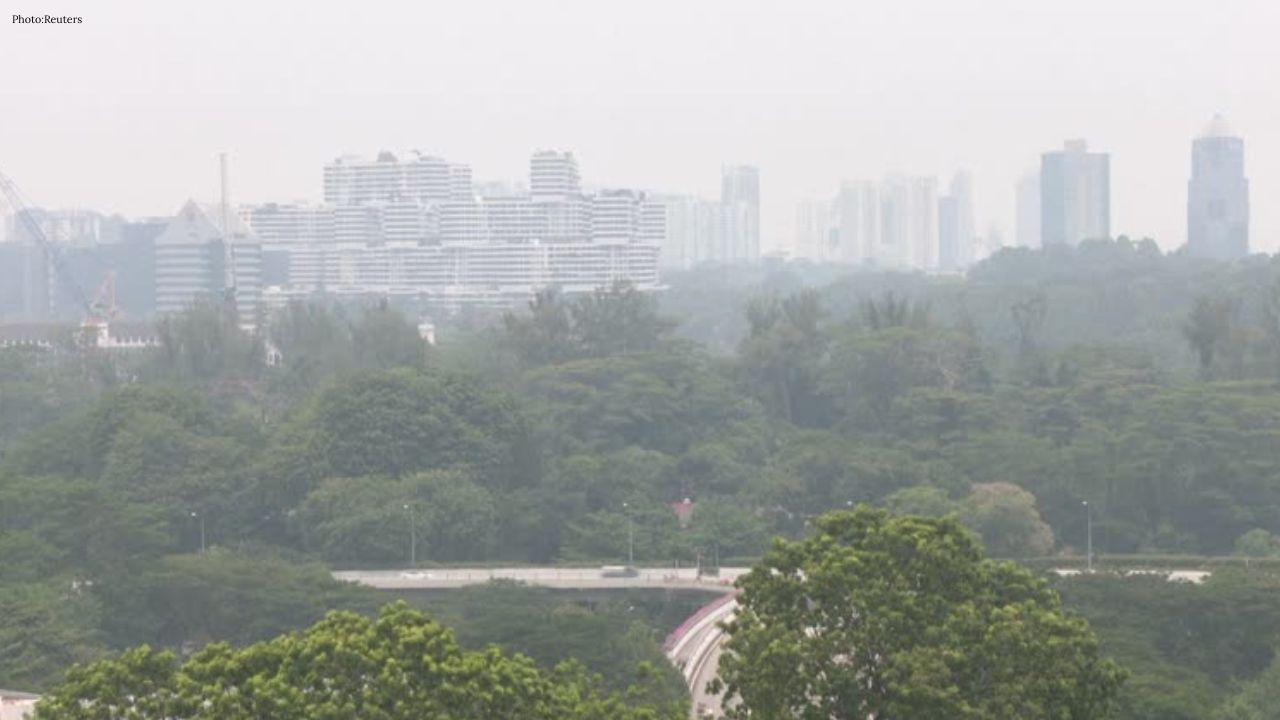
Air Quality Turns Unhealthy in Central and Western Singapore Amid Haze
Singapore haze pushes PSI above 100 in central and western areas as smoke from regional hotspots rai

PM Modi Pays Tribute to Mahatma Gandhi, Urges People to Support Khadi
PM Modi pays tribute to Mahatma Gandhi on Gandhi Jayanti and urges citizens to support Khadi and the

Amazon Seeks to Offload $8 Billion in Nvidia Chips to Investors
Amazon plans to move $8 billion in Nvidia chips to investors, using a new financing model to strengt

Samsung Raises Galaxy S26 Prices as Memory Chip Costs Rise
Samsung raises Galaxy S26 prices in South Korea as rising memory chip costs put pressure on smartpho

