
You have not yet added any article to your bookmarks!
Join 10k+ people to get notified about new posts, news and tips.
Do not worry we don't spam!
Post by : Shakul
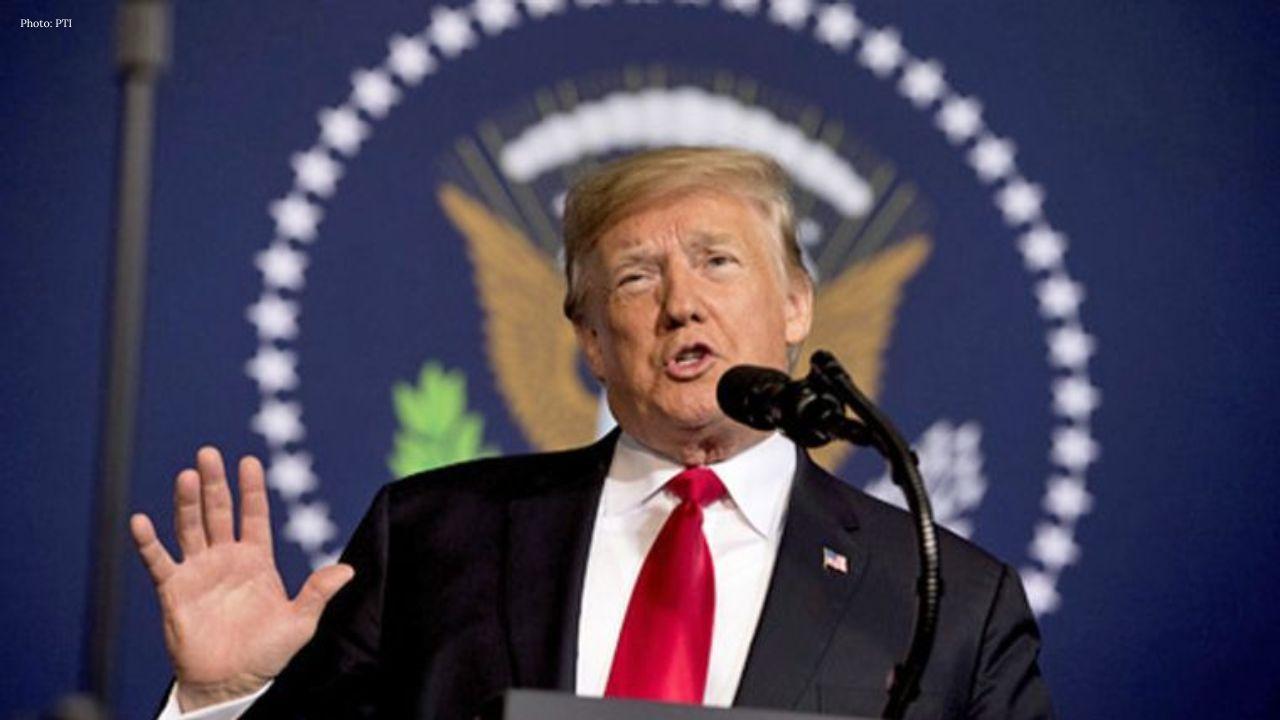
As the Iran war enters its fourth week, US President Donald Trump has publicly shifted responsibility for initiating the conflict toward Defence Secretary Pete Hegseth, raising fresh questions about how and why the United States entered the war.
Speaking at a roundtable in Tennessee, Trump stated that Hegseth was among the first to advocate military action, citing concerns over Iran’s potential nuclear capabilities. His remarks add to an already inconsistent narrative within the administration regarding the origins of the conflict.
Conflicting Reasons Behind War
Different officials within the Trump administration have presented varying justifications for the military campaign. Some claimed the US acted to support Benjamin Netanyahu amid fears of imminent Israeli strikes, while others argued Iran was close to developing nuclear weapons.
However, intelligence reports have not publicly confirmed that Iran was on the verge of deploying a nuclear weapon, adding ambiguity to the administration’s claims.
Intelligence Warnings and Surprise Attacks
Trump also asserted that Iran’s retaliatory strikes across Gulf nations were unexpected. This contradicts multiple reports suggesting that US intelligence agencies had warned of possible retaliation in advance but that preventive measures were limited.
The escalation has widened tensions across the Middle East, particularly around the strategically critical Strait of Hormuz, a key global oil transit route.
Hegseth Leads War Messaging
Throughout the conflict, Hegseth has been the most visible face of the US military response, outlining objectives such as dismantling Iran’s missile systems, drone capabilities, and naval strength.
Despite ongoing operations, he has avoided committing to a clear timeline for ending the war, stating that the campaign remains “on track.”
Internal Divisions Emerge
Reports indicate divisions within the administration. Vice President JD Vance is believed to have expressed reservations privately, while influential figures like Rupert Murdoch were reportedly supportive of military action.
The internal tensions have already led to consequences, including the resignation of senior counterterrorism official Joe Kent.
Disputed Talks with Iran
Trump has also claimed that backchannel negotiations are underway involving Jared Kushner and Steve Witkoff. However, Iranian officials have denied any such discussions, deepening uncertainty around diplomatic efforts.
Uncertainty Continues
With deadlines for Iran extended and military operations ongoing, the situation remains fluid. The lack of a consistent narrative from Washington has intensified scrutiny over decision-making at the highest levels.
As the conflict evolves, key questions remain unanswered: what triggered the war, who pushed for it, and how it will ultimately end.










PM Modi Pays Tribute to Mahatma Gandhi, Urges People to Support Khadi
PM Modi pays tribute to Mahatma Gandhi on Gandhi Jayanti and urges citizens to support Khadi and the

Amazon Seeks to Offload $8 Billion in Nvidia Chips to Investors
Amazon plans to move $8 billion in Nvidia chips to investors, using a new financing model to strengt

Samsung Raises Galaxy S26 Prices as Memory Chip Costs Rise
Samsung raises Galaxy S26 prices in South Korea as rising memory chip costs put pressure on smartpho

Lewis Hamilton Calls Singapore Grand Prix One of F1's Toughest Races
Lewis Hamilton discusses the demanding Singapore Grand Prix and brings Plus44 and Almave to Singapor

Denmark's Pandora Opens World's Largest Jewellery Factory in Vietnam
Pandora opens its largest jewellery factory in Vietnam, expanding global production, strengthening s

Gautam Gambhir Questions Batting-Friendly Pitches After India's Record ODI Chase
Gautam Gambhir questions batting-friendly ODI pitches after India’s record chase, calling for a bett

