
You have not yet added any article to your bookmarks!
Join 10k+ people to get notified about new posts, news and tips.
Do not worry we don't spam!
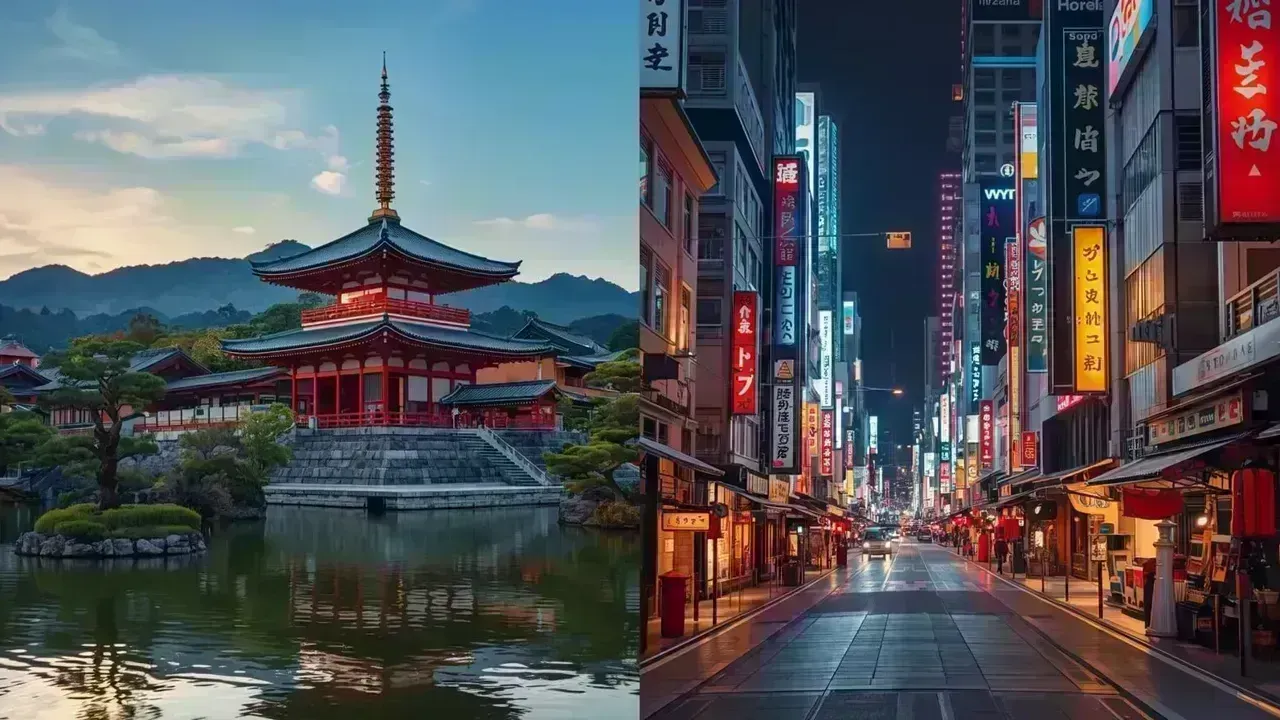
Post by : Samjeet Ariff
Many first-time explorers to Japan grapple with the choice of destination, but an increasing number gravitate toward Kyoto over Tokyo. This trend reflects a modern traveler’s quest for cultural depth, emotional resonance, and a straightforward experience during their initial venture abroad to Japan.
Kyoto uniquely presents an authentic glimpse of traditional Japan without the fast-paced chaos characteristic of a global metropolis. Understanding why Kyoto resonates more with newcomers involves delving into the psychological needs of first-time travelers.
For many, Japan conjures images of temples, cherry blossoms, geisha districts, traditional houses, tea rituals, and stunning mountain views. Kyoto delivers these quintessential experiences seamlessly.
In contrast, while Tokyo offers intrigue, its atmosphere can feel more akin to that of New York or Seoul, diverging from the distinctly Japanese essence that Kyoto radiates.
On their first trip, travelers seek validation that their journey mirrors the visions they've held for years. Kyoto fulfills that promise effortlessly.
Preserved traditional architecture, not staged setups
Cultural practices woven into daily life
Visible history in every neighborhood
This emotional alignment enhances the experience, making it complete.
Tokyo can be overwhelming; its size and rapid pace might daunt travelers unfamiliar with the language and transit systems.
Conversely, Kyoto feels manageable, serene, and easy to navigate.
Fewer subway lines compared to the extensive Tokyo network
Compact and walkable historic areas
Slower rhythms of everyday life
Well-defined tourist zones separating from residential neighborhoods
First-time explorers often find confidence in independently discovering Kyoto without feeling lost.
In Kyoto, culture envelops you; it's part of the fabric of everyday life.
Temples and shrines integrated into daily life
Local celebrations happening in residential neighborhoods
Traditional crafts practiced publicly
Visible seasonal rituals
In Kyoto, meaningful cultural exposure happens organically, without the need for special arrangements. While Tokyo has cultural richness, it often necessitates planning and reservations, which Kyoto provides instinctively.
Tokyo dazzles with endless choices—shopping hubs, nightlife, themed cafes, and diverse food scenes. While captivating, this plethora may scatter focus.
Kyoto, with its limited yet profound experiences, encourages visitors to slow down.
Less hurried exploration
More memorable experiences
Diminished concerns about “missing out”
Each site in Kyoto invites relaxed exploration rather than checklist tourism.
First-time international travel often brings fatigue with all the new experiences. Kyoto's soothing pace facilitates recovery rather than weariness.
Peaceful evenings and serene nights
Relaxing public spaces
Quietude in temples and gardens
Focus on observation over stimulation
This atmosphere allows travelers to process emotions, not just visual impressions.
Once the capital of Japan for over a millennium, Kyoto's heritage flourishes not solely in museums but throughout its streets, customs, and urban design.
Neighborhoods that have remained unchanged for generations
Shrines woven into daily life
Seasonal customs preserved with care
Family-run businesses still thriving
First-time visitors find this historical continuity deeply impactful, enhancing the authenticity of their experience.
Tokyo, a city of dualities, holds ancient shrines next to towering skyscrapers and tranquil alleys adjacent to vibrant districts. While fascinating, this complexity may bewilder newcomers.
Kyoto, however, provides a cohesive identity.
A singular cultural narrative
A clear historical context
A unified architectural style
This coherence makes Kyoto easier to appreciate on both emotional and visual levels.
Though Tokyo's culinary landscape is impressive, it can overwhelm newcomers with its variety. Kyoto's cuisine prioritizes simplicity and seasonal ingredients.
Streamlined menus
A focus on seasonal produce
Gentle introductions to dining etiquette
A relaxing approach to dining
Meals in Kyoto are an experience rather than a competition.
Surrounded by mountains, rivers, and forests, Kyoto embraces nature, making it a part of daily experiences.
Accessible scenic trails
Temples amidst lush greenery
Seasonal variations easily observed
A reduction in sensory clutter
For those adjusting to a foreign land, this natural balance is grounding.
Newcomers often seek meaningful images rather than just iconic sites.
Kyoto provides:
Soft and flattering natural lighting
Uncluttered traditional vistas
Minimal visual distractions
Seasonal aesthetics
Pictures evoke a sense of timelessness, even without expert tools.
Travel for first-timers is as much emotional as it is practical.
Kyoto aligns perfectly with expectations of:
Respect and tranquility
Rituals and rhythms of life
Beauty in simplicity
Continuity of culture
Unlike Tokyo, which sometimes challenges these expectations, Kyoto fulfills them.
Many travelers notice that they appreciate Tokyo more after their Kyoto experience.
Kyoto lays a cultural groundwork that allows Tokyo to be richer and more relatable.
Without this foundation, Tokyo might seem impressive yet emotionally distant.
First-time excursions focus on creating enduring impressions.
Visitors to Kyoto depart with:
A sense of emotional peace
A deeper cultural comprehension
Vivid visual memories
A feeling of fulfillment
Tokyo incites a rush, but Kyoto fosters connection.
Apprehension about losing one’s way
Anxieties regarding language
Fear of cultural missteps
Potential travel fatigue
Kyoto’s deliberate pace and intuitive layout alleviate these worries seamlessly.
Upon reflection, many recall distinctive moments from Kyoto:
Strolls at dawn
Temple bells echoing at dusk
Scenic seasonal landscapes
Unexpected cultural exchanges
These interactions feel profoundly personal.
Kyoto doesn’t strive to impress but focuses on preservation.
This authenticity fosters deep participation among first-time visitors rather than mere observation.
Preferring Kyoto doesn't imply dismissing Tokyo.
It's about recognizing the needs of the first-time traveler:
Seeking orientation before stimulation
Desiring meaning before magnitude
Valuing depth over diversity
Kyoto embodies that essence.
Kyoto captivates first-time travelers not by offering more, but by providing what is most essential. It introduces Japan in a gentle, beautiful, and authentic manner.
With this foundational experience, travelers are then primed for the vibrant energy and scale of Tokyo.
Kyoto doesn’t compete with Tokyo—it prepares you for it.
This article serves as a source of travel information and guidance. Experiences can vary based on personal preferences, timing, budget, and style of travel. Cultural perceptions and impressions of cities are subjective. Readers should conduct their own research and choose based on individual travel needs.










PM Modi Pays Tribute to Mahatma Gandhi, Urges People to Support Khadi
PM Modi pays tribute to Mahatma Gandhi on Gandhi Jayanti and urges citizens to support Khadi and the

Amazon Seeks to Offload $8 Billion in Nvidia Chips to Investors
Amazon plans to move $8 billion in Nvidia chips to investors, using a new financing model to strengt

Samsung Raises Galaxy S26 Prices as Memory Chip Costs Rise
Samsung raises Galaxy S26 prices in South Korea as rising memory chip costs put pressure on smartpho

Lewis Hamilton Calls Singapore Grand Prix One of F1's Toughest Races
Lewis Hamilton discusses the demanding Singapore Grand Prix and brings Plus44 and Almave to Singapor

Denmark's Pandora Opens World's Largest Jewellery Factory in Vietnam
Pandora opens its largest jewellery factory in Vietnam, expanding global production, strengthening s

Gautam Gambhir Questions Batting-Friendly Pitches After India's Record ODI Chase
Gautam Gambhir questions batting-friendly ODI pitches after India’s record chase, calling for a bett

