You have not yet added any article to your bookmarks!
Join 10k+ people to get notified about new posts, news and tips.
Do not worry we don't spam!
Post by : Saif Rahman
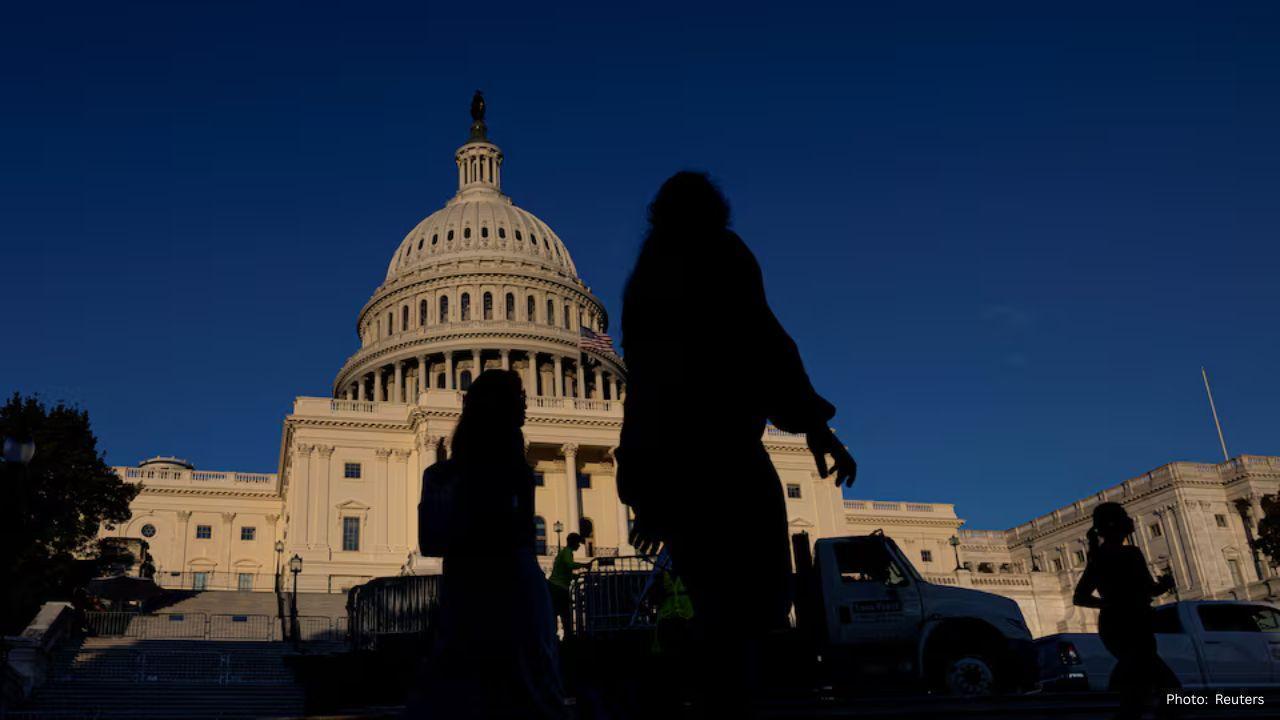
The United States Congress has successfully passed a significant defense bill that will shape military funding and policy for the upcoming year. Dubbed the National Defense Authorization Act for fiscal year 2026, the legislation allocates a historic $901 billion budget for defense and is set to be signed into law by President Donald Trump, notwithstanding certain provisions that clash with his recent policy views.
The bill garnered overwhelming bipartisan support, sailing through the Senate with a vote of 77 to 20, following its earlier endorsement in the House of Representatives. Lawmakers highlighted that this vote continues a longstanding tradition, as Congress has approved the defense bill annually for over sixty years.
A central feature of the bill is its commitment to Ukraine and the security of Europe. The NDAA designates $800 million for Ukraine over the next two years via the Ukraine Security Assistance Initiative, intended to procure weaponry from US manufacturers to bolster Ukraine’s military as it faces ongoing conflict with Russia.
Moreover, the bill fortifies support for NATO and its European allies, allocating $175 million for the Baltic Security Initiative to help Latvia, Lithuania, and Estonia enhance their defenses. It also restricts the Pentagon from reducing the number of US troops in Europe below 76,000, ensuring that the US remains a key military commander within NATO.
These measures contrast with Trump’s recent National Security Strategy, regarded by many as more accommodating toward Russia and hesitant about US engagement in Europe. By including these provisions, Congress aims to reinforce a robust US military presence internationally.
On the domestic front, the defense bill encompasses various measures, including a 4% salary increase for US military personnel and funding for new military resources. Furthermore, it reforms the Pentagon's weapons procurement process to enhance speed and efficiency.
The NDAA also revokes previous laws permitting military action against Iraq from 1991 and 2002, marking an attempt by Congress to reclaim its war and peace decision-making power. Additionally, it lifts stringent sanctions on Syria that were enacted under former leader Bashar al-Assad.
Included in the bill is a stipulation related to Venezuela, mandating the defense secretary to release unedited footage of US military operations against alleged drug dealers. This aligns with Trump’s intensified measures against Venezuela’s regime, including a blockade on sanctioned oil tankers.
Though not all presidential proposals were adopted, such as renaming the Department of Defense to the Department of War, the bill does incorporate certain socially conservative initiatives, like barring transgender women from competing in women’s sports within US military academies.
Ultimately, the defense bill’s passage illustrates that Congress can collaborate on national security matters. It also underscores the willingness of lawmakers to confront the president on essential foreign policy issues, particularly concerning Ukraine, NATO, and European security.
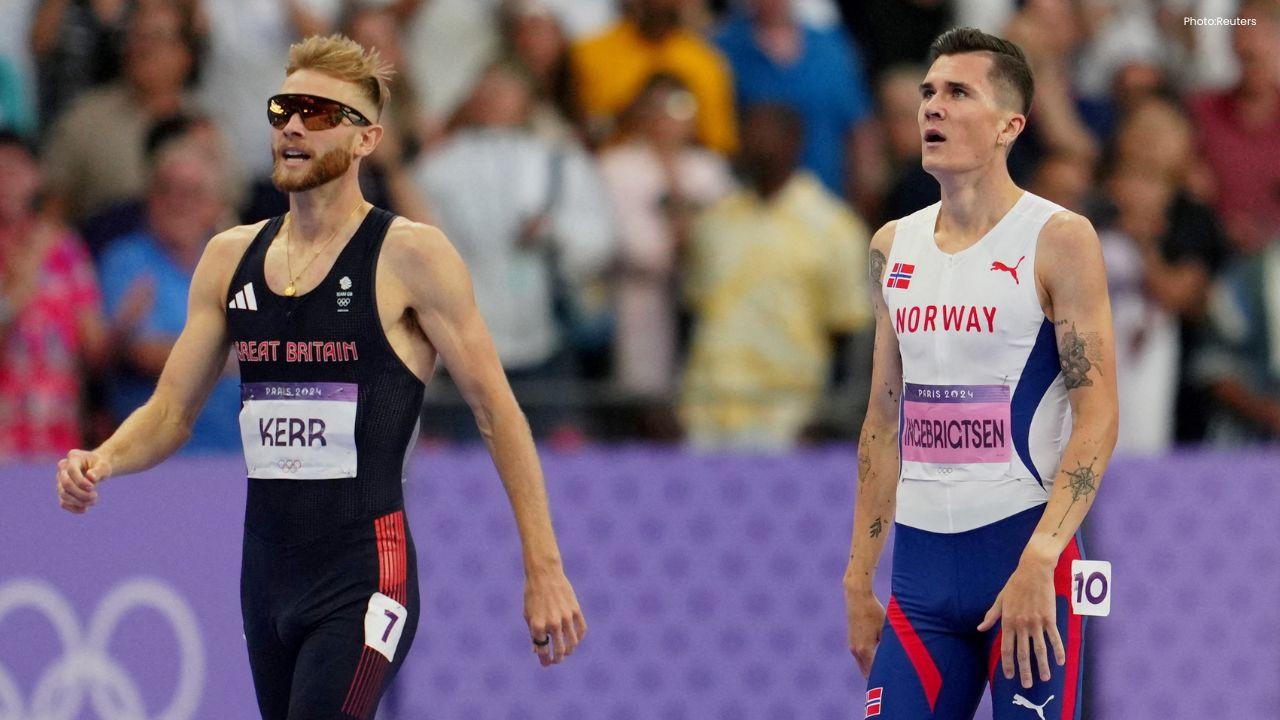





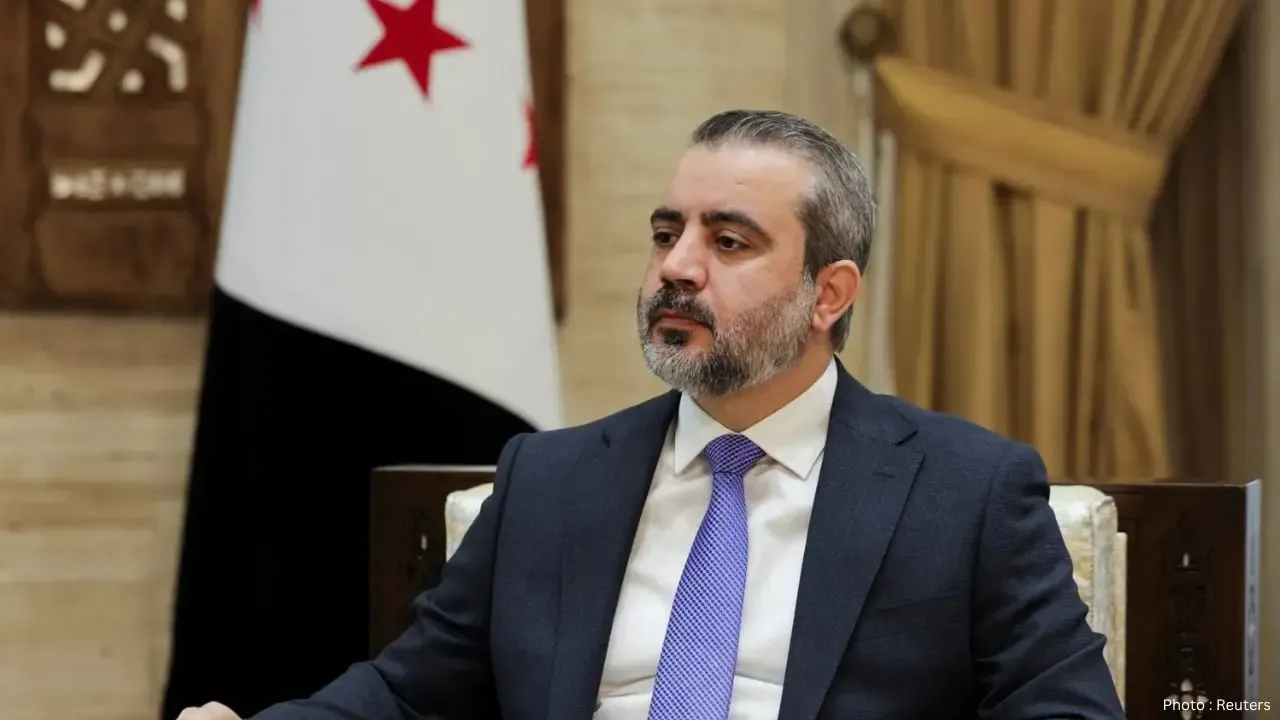

Josh Kerr and Jakob Ingebrigtsen Set for 1,500m Rivalry Rematch
Josh Kerr and Jakob Ingebrigtsen will renew their 1,500m rivalry at the Ultimate Championship in Bud

PSG Coach Luis Enrique Urges Players to Step Outside Comfort Zone
PSG coach Luis Enrique says players must leave their comfort zone and keep improving as the club tar

China’s Tiangong Sets New 400m Record at Robot Olympics
China’s Tiangong robot sets a new 400m record at the Robot Olympics, beating a South African robot i

George Russell Wins Dutch GP Sprint, Boosts Mercedes Morale
George Russell wins the Dutch GP Sprint from pole as Mercedes teammate Kimi Antonelli extends his F1
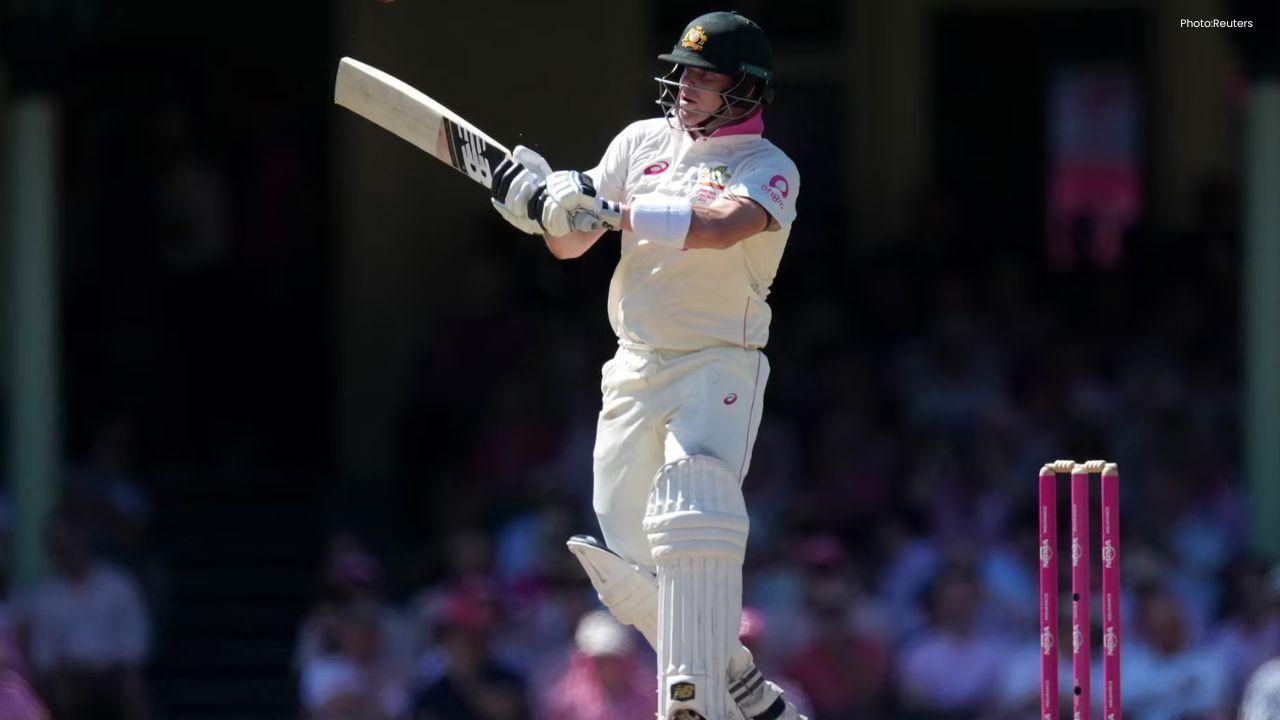
Australia 50/3 After Bangladesh Bowled Out for 64 in Second Test
Australia reached 50/3 after Bangladesh were bowled out for 64 in the second Test, with Mitchell Sta
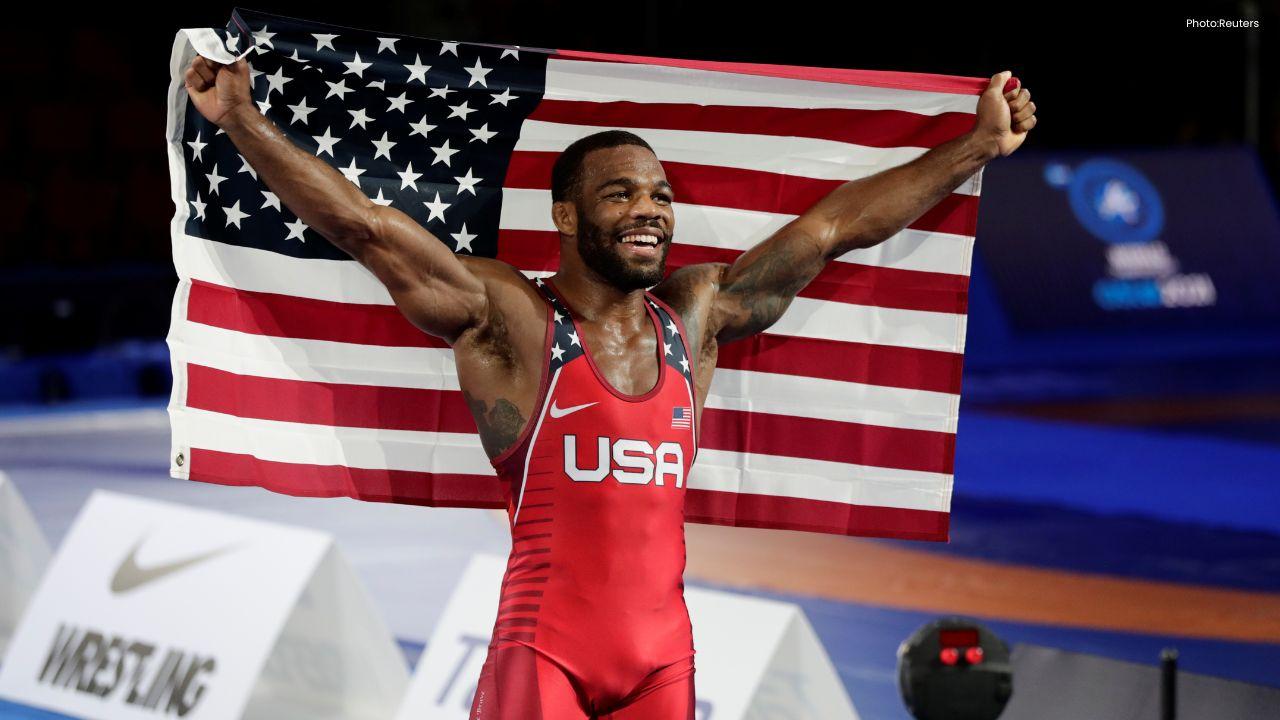
Jordan Burroughs Returns to Wrestling with 2028 Olympic Dream
Jordan Burroughs returns to wrestling with Real American Freestyle as the Olympic champion eyes a po