You have not yet added any article to your bookmarks!
Join 10k+ people to get notified about new posts, news and tips.
Do not worry we don't spam!
Post by : Saif Rahman
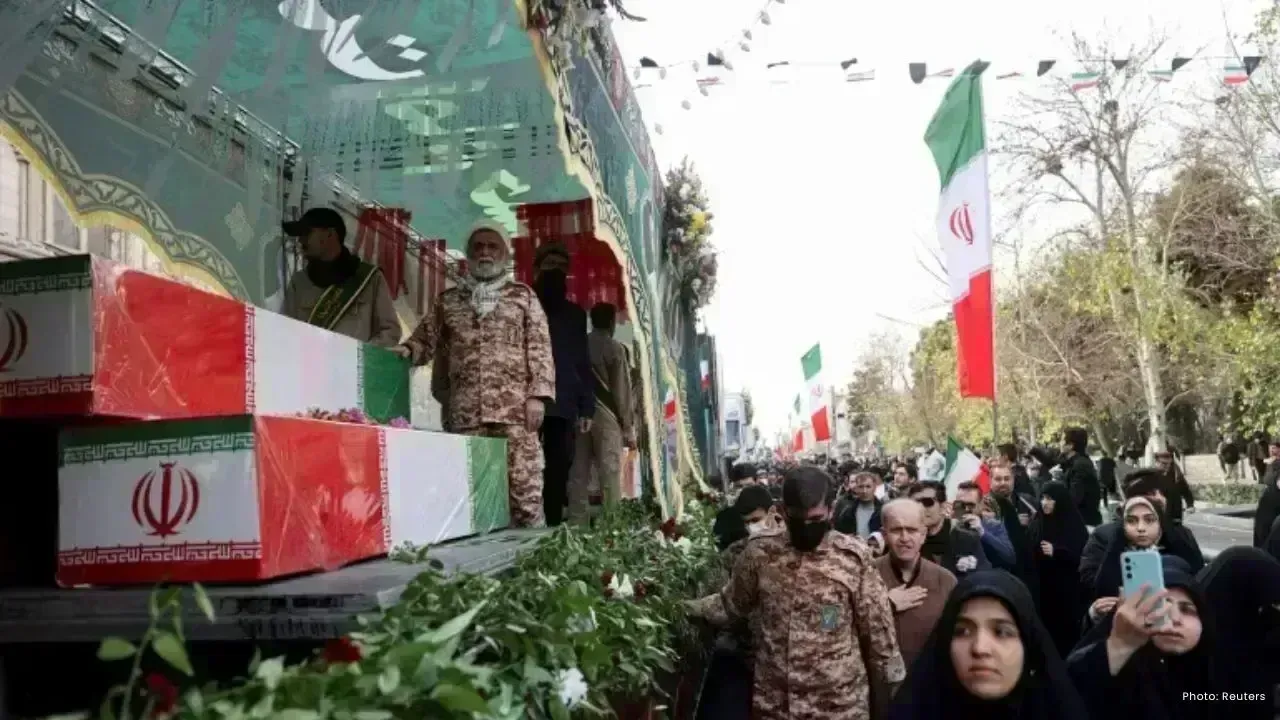
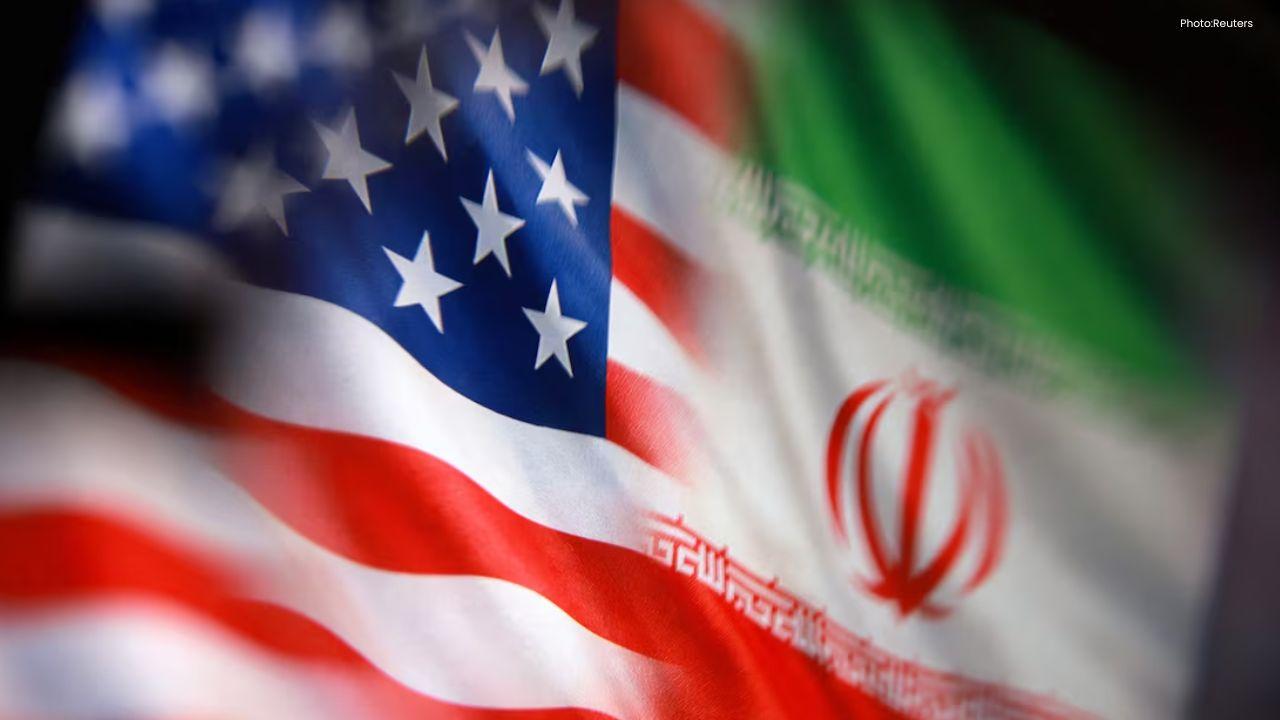
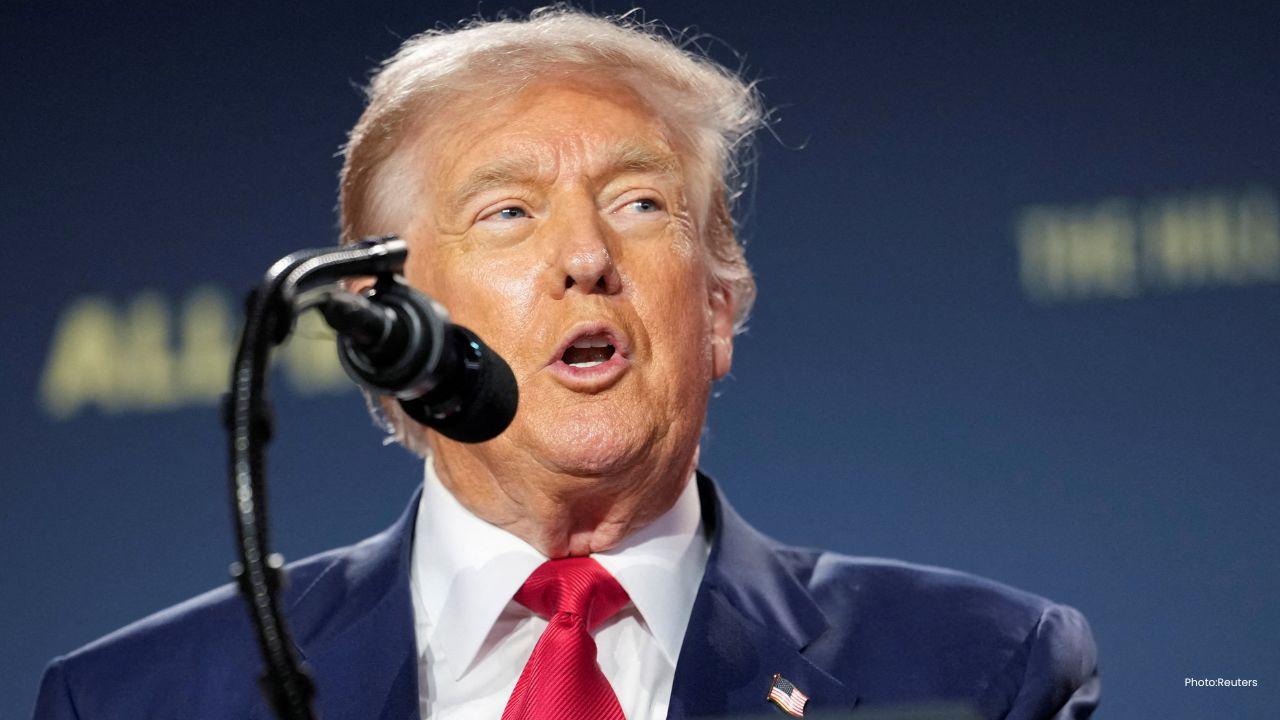
The friction between the US and Iran has escalated to a precarious level once again. President Donald Trump has made strong remarks about confronting Iran, even hinting at potential military intervention. Yet, analysts caution that achieving a swift or clear victory against Iran is no simple matter. The realities on the ground are far more intricate than they seem.
Iran is grappling with a multitude of serious domestic issues. Protests combined with economic difficulties and international condemnation have cast a shadow over the regime. Citizens are discontented with soaring costs, unemployment, and stringent governance. In response, security forces have taken harsh measures, with reports indicating fatalities and widespread detentions among demonstrators. Despite this turmoil, the ruling government remains steadfast, showing resilience amidst challenges.
While Trump has warned Iran regarding the treatment of its citizens and hinted at military action should violence persist, his rhetoric has often fluctuated. At times, it softens to suggest that pressure could yield results. This inconsistency contributes to rising uncertainty both within the US and across the wider Middle East.
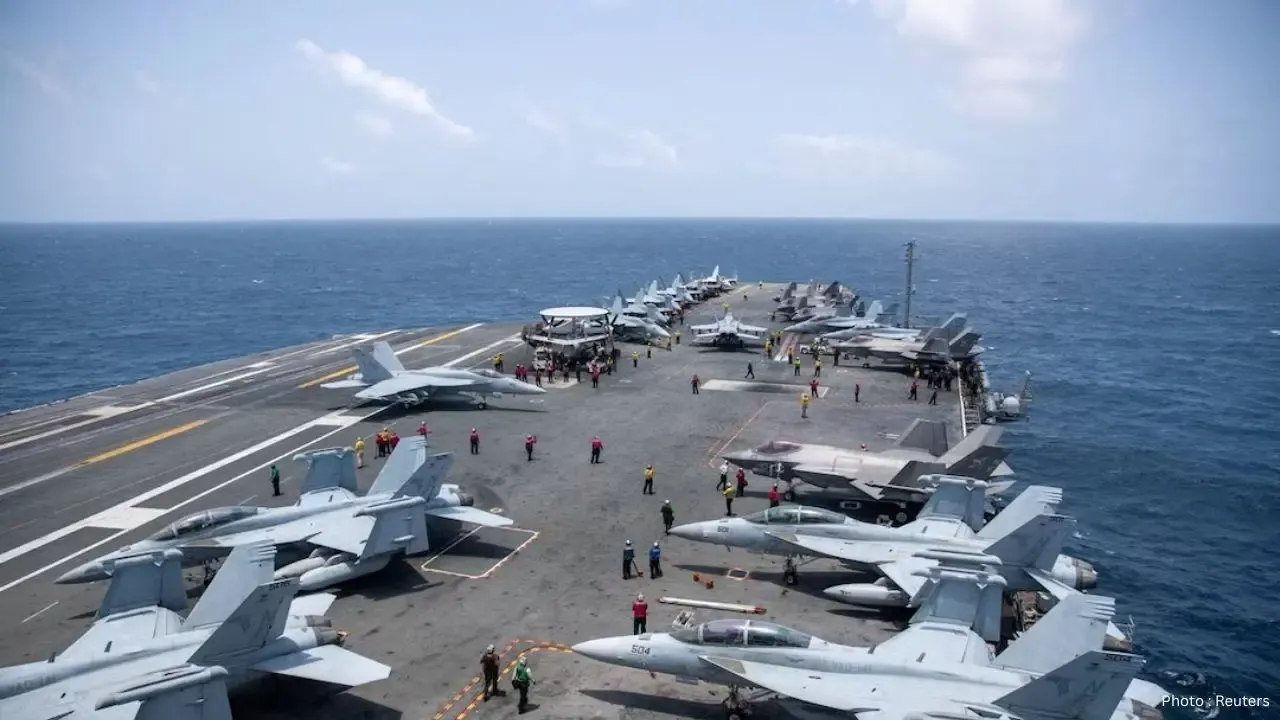
Military experts underscore the substantial risks of even a limited strike against Iran. It is important to recognize that Iran possesses robust military capabilities, including powerful security forces and missile technology, alongside substantial influence in the region. Any military action could provoke retaliation against US personnel or allies, potentially escalating into a broader conflict—an outcome that most Americans and US allies wish to avoid.
Historically, Iran has demonstrated its ability to endure external pressures. The country survived a prolonged conflict in the 1980s and has navigated years of stringent sanctions. Such experiences have led to a governmental system well-prepared for external threats, fostering resilience rather than weakening leadership. Analysts suggest that foreign aggression could inadvertently strengthen internal unity around the Iranian government.
Moreover, regional stability remains a pressing concern. Iran supports various allies and affiliated groups throughout the Middle East. Although some of these entities are weakened, they still hold the potential to instigate unrest. Any confrontation involving Iran risks spreading beyond its borders, impacting oil supplies, trade routes, and civilian lives in the region.
In the US, there exists a vigorous debate regarding the implications of engaging in another military conflict. Following years of protracted warfare in the area, many Americans express fatigue over military actions that might result in prolonged involvement without clear outcomes. Lawmakers and advisors caution that robust rhetoric without a coherent strategy could entrap the US in an uncontrollable crisis.
Even though diplomacy poses its own challenges, many experts believe it remains the safest route forward. The existing dialogue between the US and Iran is fraught with tensions and mutual distrust. Nevertheless, historical precedents indicate that negotiations—even among adversaries—can sometimes ease tensions and avert violence. Achieving a peaceful resolution will necessitate patience, compromise, and capable leadership.
Ultimately, the ongoing crisis with Iran is devoid of straightforward solutions. While Iran’s internal issues do not inherently signal a change, military interventions come with significant dangers. Experts unanimously agree that the United States faces no easy path to victory in this complex scenario. Decisions made in this pivotal moment will undoubtedly have enduring consequences, not just for the two nations involved but for the global community at large.
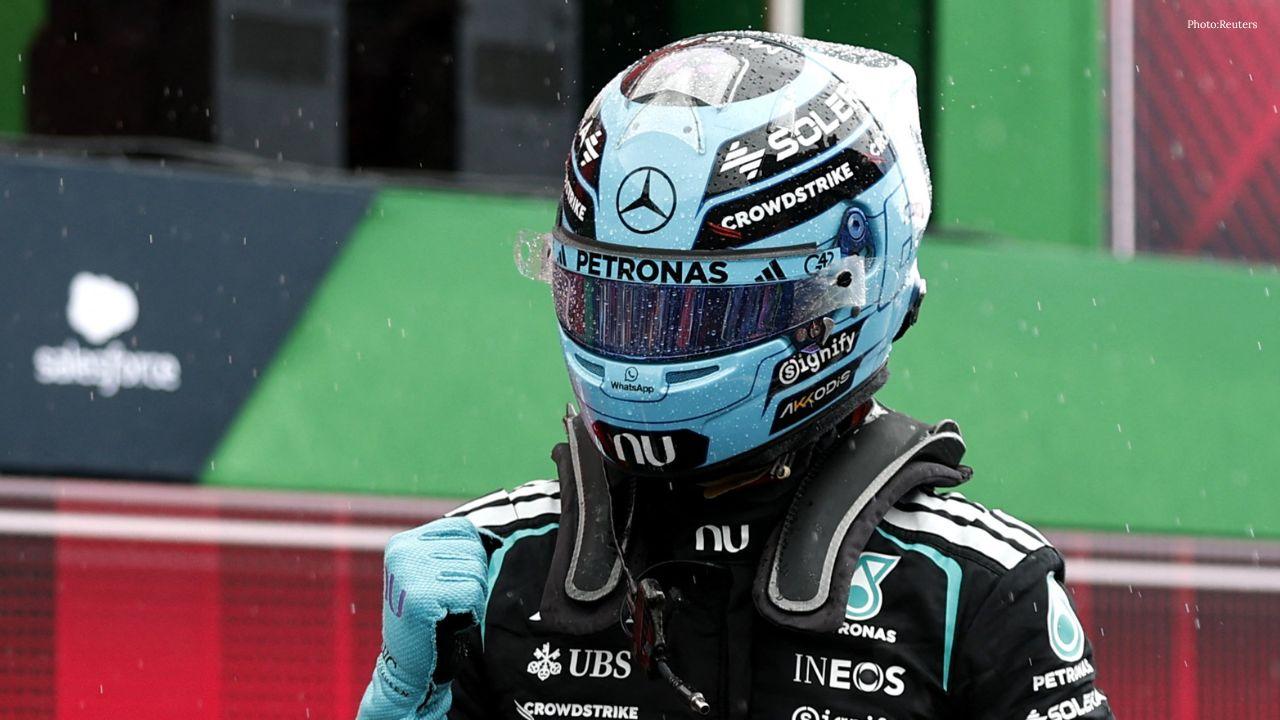




George Russell Wins Dutch GP Sprint, Boosts Mercedes Morale
George Russell wins the Dutch GP Sprint from pole as Mercedes teammate Kimi Antonelli extends his F1

Australia 50/3 After Bangladesh Bowled Out for 64 in Second Test
Australia reached 50/3 after Bangladesh were bowled out for 64 in the second Test, with Mitchell Sta

Jordan Burroughs Returns to Wrestling with 2028 Olympic Dream
Jordan Burroughs returns to wrestling with Real American Freestyle as the Olympic champion eyes a po

Lamborghini Catches Fire on Singapore's ECP, Causing Heavy Traffic
A Lamborghini caught fire on Singapore's ECP, causing heavy traffic and bus delays. No injuries were

Bangkok Airport Duty-Free Area Flooded by Pipe Burst
A burst water pipe flooded the duty-free shopping area at Bangkok's Suvarnabhumi Airport on July 16,
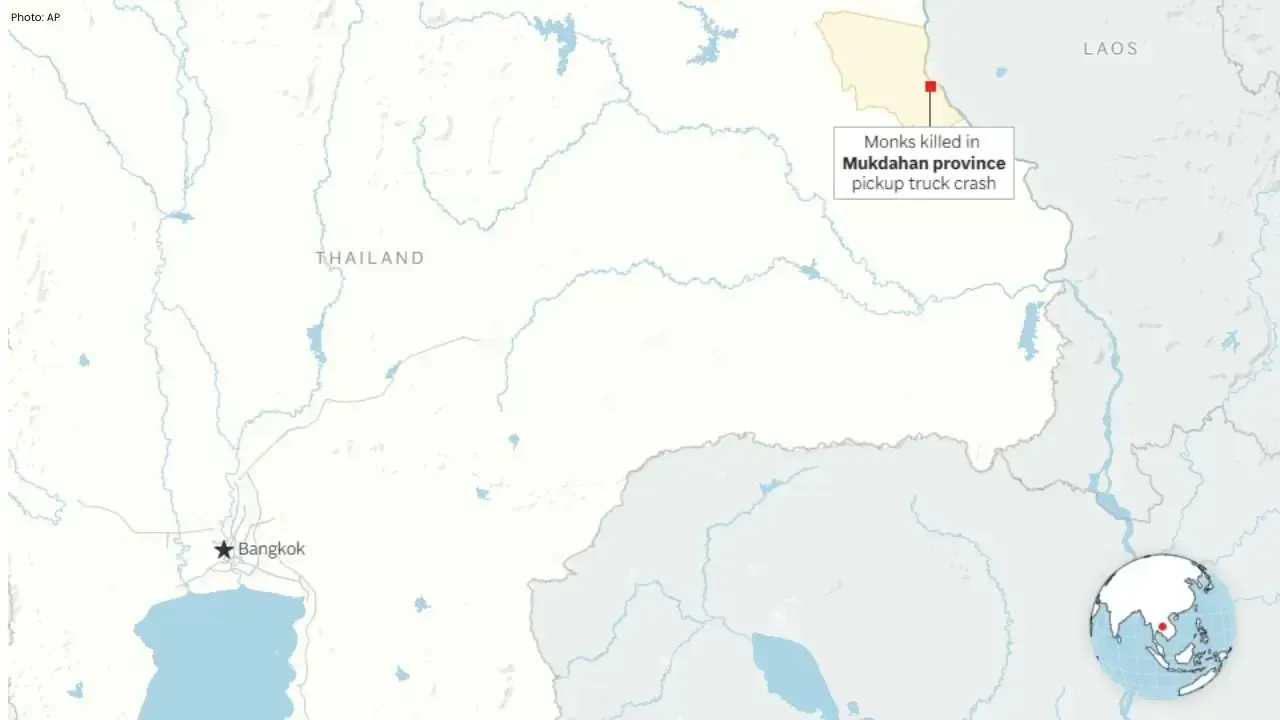
Nine Monks Killed in Thailand Pickup Truck Tragedy
An 11-year-old boy driving a pickup truck crashed into monks during a pilgrimage in northeastern Tha