You have not yet added any article to your bookmarks!
Join 10k+ people to get notified about new posts, news and tips.
Do not worry we don't spam!

Post by : Saif Rahman
The diplomatic landscape between the United States and Iran has taken a significant turn as US envoys touch down in Islamabad. The aim of these discussions is to ease tensions, but Iran has firmly stated it will not engage in direct dialogues with Washington.
Instead of direct engagement, communication will be facilitated through Pakistan, which is stepping in as a mediator. This indirect approach demonstrates both parties' willingness to remain connected, albeit amidst a backdrop of low trust.
This development comes at a precarious time for the Middle East, where tensions remain high. Although a ceasefire is currently active, its stability is uncertain, with fears of escalation if negotiations falter.
One crucial aspect tied to this issue is its effect on the global oil market. The region is home to the Strait of Hormuz, a vital artery for oil transport, and any disruption there could have swift repercussions for fuel prices and international markets.
The US is advocating for stringent terms, particularly concerning Iran's nuclear agenda and regional actions. Conversely, Iran is seeking alleviation from economic sanctions and pressure, presenting a considerable barrier to consensus.
Pakistan's mediation role is pivotal. By hosting dialogues and relaying messages, it is facilitating the vital communication needed when direct conversations are unfeasible.
However, indirect negotiations can hinder rapid progress. The lack of face-to-face interactions can prolong understanding of each party's stance. Nevertheless, these discussions might serve as an initial step toward rebuilding trust.
Global eyes are now trained on Islamabad, where these pivotal talks are unfolding. A successful outcome could ease regional tensions and provide much-needed stability to international markets.
This scenario illustrates the intricate nature of international diplomacy. Even when nations express a readiness to communicate, fundamental differences in trust and strategy can complicate matters. The upcoming days will be crucial in determining the viability of these diplomatic efforts.


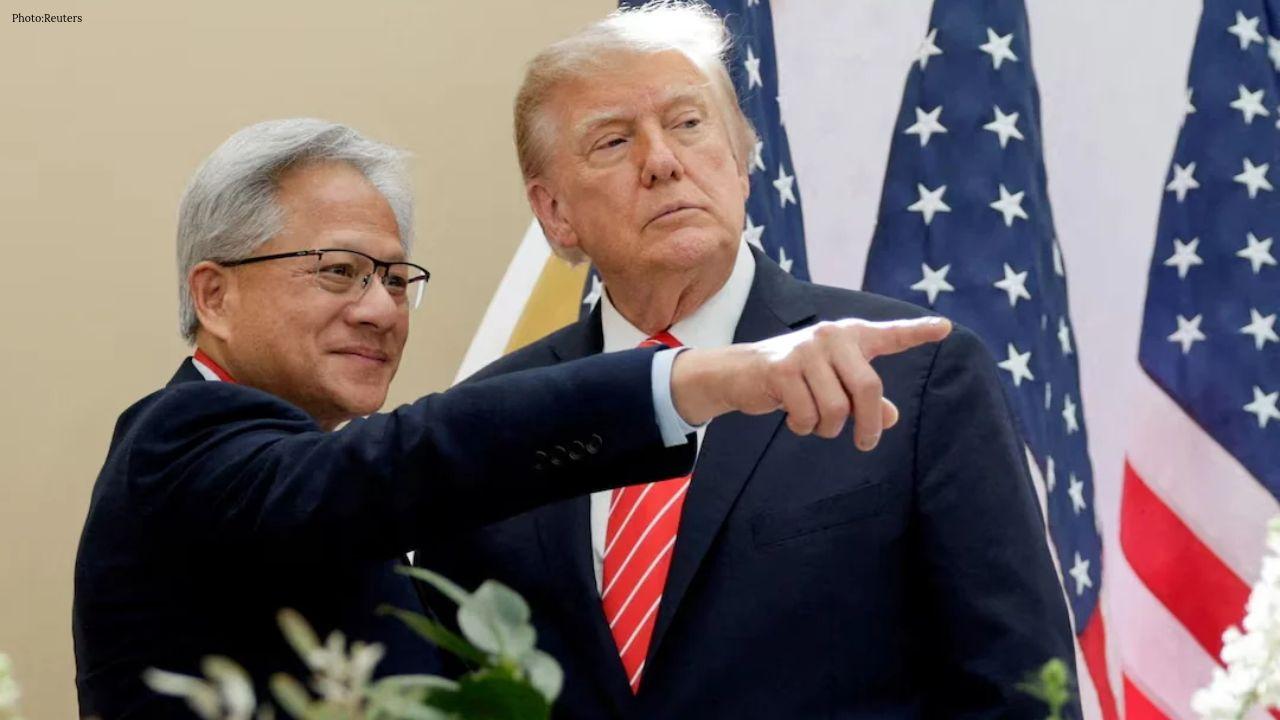


APEC Members Emphasise Safe and Responsible Use of Artificial Intelligence
APEC members discuss responsible AI use, digital innovation and data governance as China and the US

Union of European Clubs Challenge UEFA and EFC Over EU Competition Rules
UEC files an EU competition complaint against UEFA and EFC, challenging club representation, governa

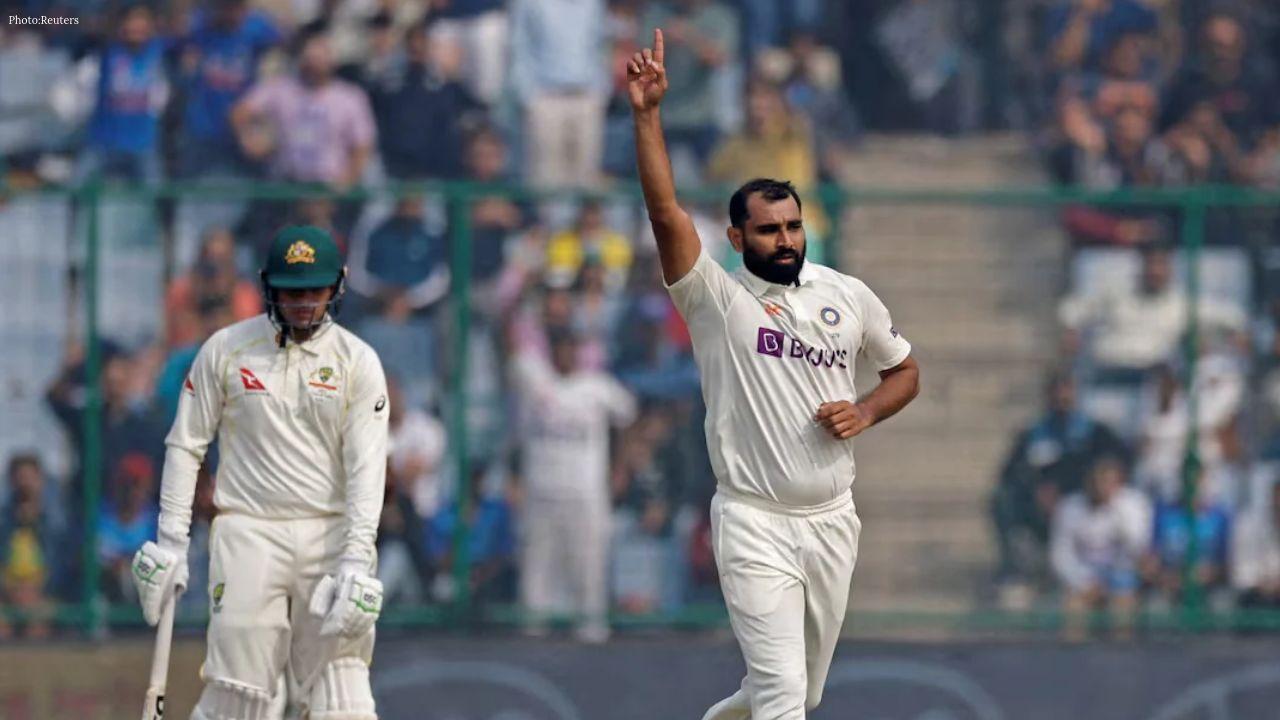
Mohammed Shami Retires From Test Cricket, Eyes White-Ball Career
Mohammed Shami retires from Test cricket after 13 years, with 229 wickets. He will continue playing

Singapore Warns Users About Privacy and Security Risks of AI Agents
Singapore warns users about AI agent security risks, data privacy, online scams and unauthorised acc

Chris Lynn Completes One-Month Ban After Positive Cocaine Test
Australian cricketer Chris Lynn completes a one-month ban after a positive cocaine test during the T
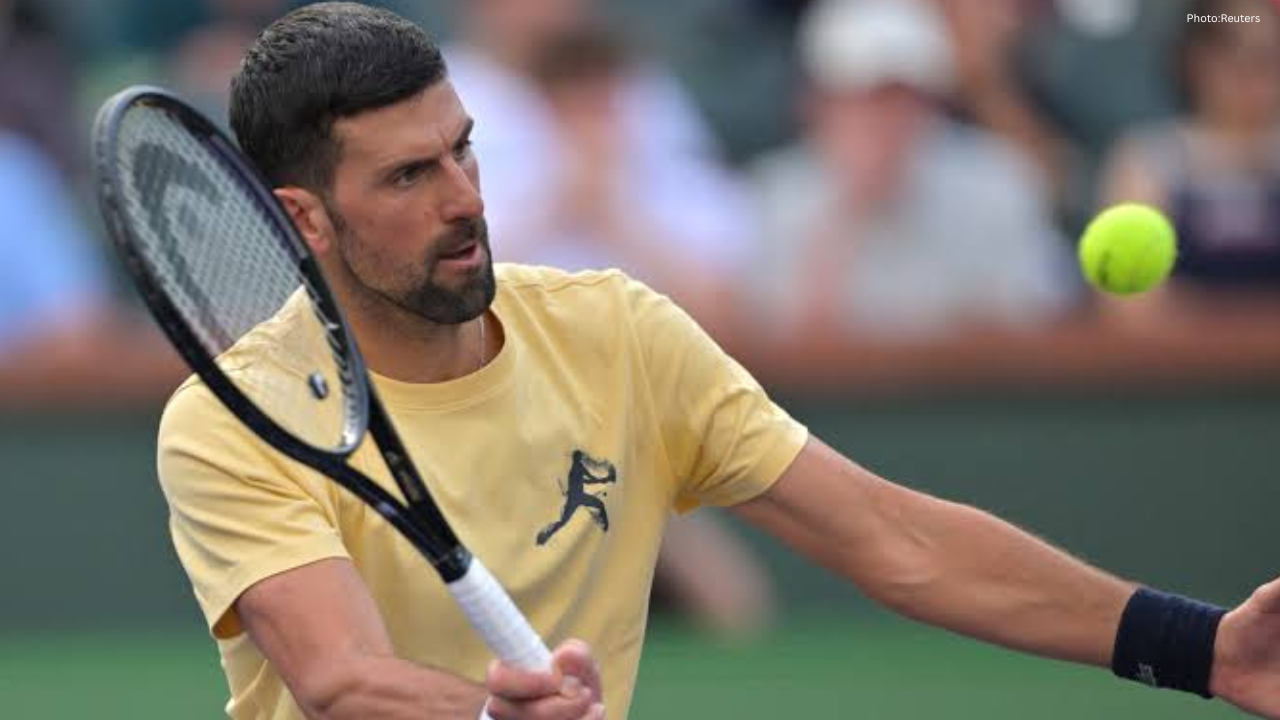
Djokovic Eyes Strong Season Finish as Health Improves Ahead of Paris Masters
Novak Djokovic reports improved health and performance as he targets a strong Paris Masters finish a