
You have not yet added any article to your bookmarks!
Join 10k+ people to get notified about new posts, news and tips.
Do not worry we don't spam!
Post by : Shweta
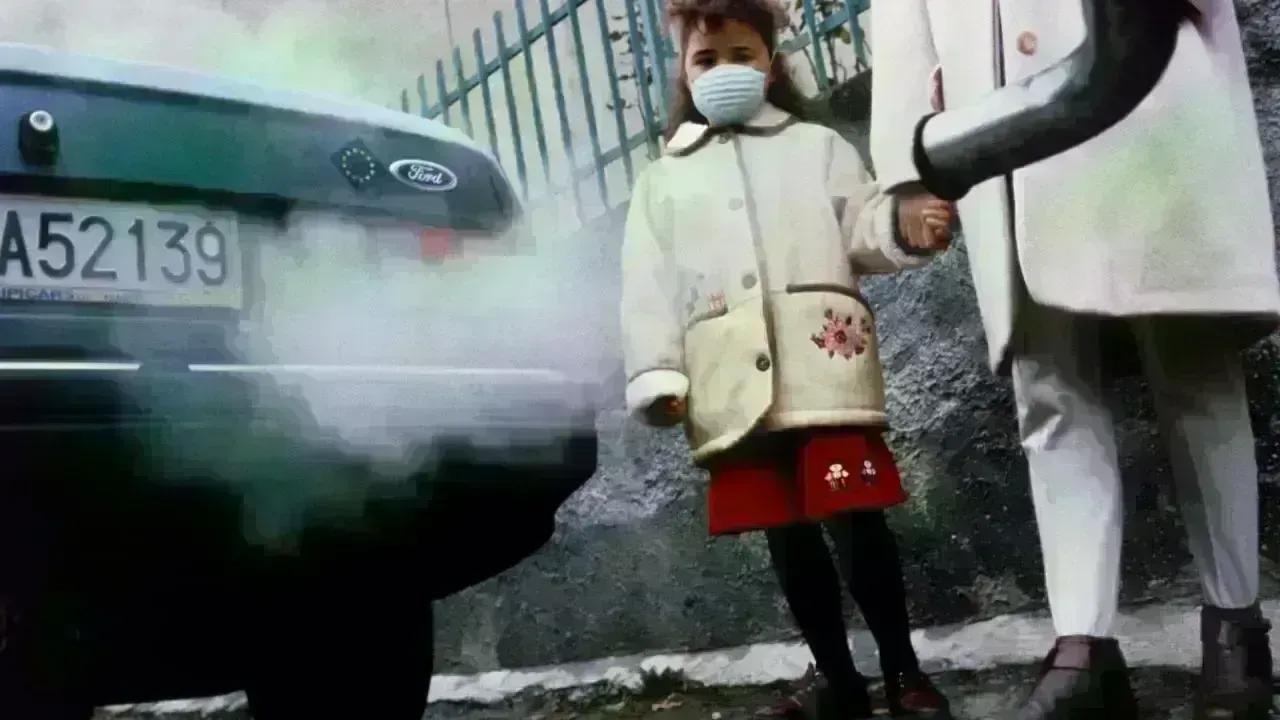
Air pollution stands as one of the foremost public health challenges globally, leading to millions of fatalities each year and putting billions at risk. Experts have dubbed it a “silent killer,” as its detrimental impact unfolds gradually, progressively harming vital organs like the lungs, heart, and brain.
According to the World Health Organization (WHO), air pollution contributes to around seven million premature deaths annually. The minuscule, harmful particles present in polluted air penetrate deep within the body, heightening the likelihood of severe health issues, including asthma, lung cancer, heart attacks, strokes, and chronic respiratory diseases. Children, the elderly, and those with preexisting conditions face particular risks.
Major urban centers in Asia, Africa, Europe, and Latin America grapple with alarming levels of pollution arising from vehicle exhaust, industrial emissions, construction dust, coal burning, and wildfires. Rapid industrialization and urban sprawl have exacerbated air quality problems, particularly in densely populated cities where many residents inhale polluted air daily.
Researchers point out that prolonged exposure to poor air quality can impair not just physical health but also mental well-being, potentially leading to higher incidences of depression, anxiety, dementia, and developmental issues in children. Pollution is believed to impact nearly every bodily system.
The situation is worsened by climate change; rising temperatures, heat events, droughts, and wildfires are boosting smoke and particulate matter in the atmosphere. Environmental specialists emphasize that pollution and climate change are intertwined crises requiring immediate global cooperation and comprehensive environmental policies.
In low-income and developing nations, indoor air pollution remains a pressing issue, with millions relying on wood, charcoal, and other hazardous fuels for cooking and heating in poorly ventilated spaces. Health entities warn that exposure to indoor smoke leads to severe respiratory conditions, disproportionately affecting women and young children.
In response to these challenges, various governments have implemented stricter environmental regulations in recent years. Efforts like promoting electric vehicles, curbing industrial emissions, investing in renewable energy, and enhancing public transit have helped improve air quality in some areas, but experts caution that the pace of progress remains inadequate relative to the magnitude of the issue.
Environmental advocates are urging world leaders to enforce more stringent measures against the industries responsible for major emissions. Campaigners argue that profits are often prioritized over the safeguard of public health and the environment. Human rights organizations increasingly assert that access to clean air is a fundamental human right that must be defended by governments.
Furthermore, air pollution inflicts substantial economic damage worldwide. Escalating healthcare costs, diminished worker productivity, and pollution-related illnesses create immense pressure on healthcare systems and economies. Researchers estimate that billions in economic losses occur yearly due to diseases and deaths tied to polluted air.
While public awareness is on the rise, many continue to underestimate the long-term hazards associated with poor air quality. Experts advise wearing masks in highly polluted zones, utilizing indoor air purifiers, minimizing vehicle usage, and advocating for cleaner energy policies to mitigate personal exposure to pollution.
International entities are repeatedly urging for immediate global collaboration to combat air pollution through cleaner energy initiatives, stricter environmental regulations, and sustainable urban planning. Health experts warn that failure to act decisively may lead to an upsurge in pollution-related deaths in the coming decades, exacerbated by population growth and an increasingly volatile climate.
Analysts stress that air pollution has evolved from an environmental issue to one of the most acute health crises of our time. As nations continue to navigate the delicate balance between economic growth and environmental sustainability, experts argue that urgent action is critical to avert millions more deaths connected to air pollution in the future.










PM Modi Pays Tribute to Mahatma Gandhi, Urges People to Support Khadi
PM Modi pays tribute to Mahatma Gandhi on Gandhi Jayanti and urges citizens to support Khadi and the

Amazon Seeks to Offload $8 Billion in Nvidia Chips to Investors
Amazon plans to move $8 billion in Nvidia chips to investors, using a new financing model to strengt

Samsung Raises Galaxy S26 Prices as Memory Chip Costs Rise
Samsung raises Galaxy S26 prices in South Korea as rising memory chip costs put pressure on smartpho

Lewis Hamilton Calls Singapore Grand Prix One of F1's Toughest Races
Lewis Hamilton discusses the demanding Singapore Grand Prix and brings Plus44 and Almave to Singapor

Denmark's Pandora Opens World's Largest Jewellery Factory in Vietnam
Pandora opens its largest jewellery factory in Vietnam, expanding global production, strengthening s

Gautam Gambhir Questions Batting-Friendly Pitches After India's Record ODI Chase
Gautam Gambhir questions batting-friendly ODI pitches after India’s record chase, calling for a bett

