
You have not yet added any article to your bookmarks!
Join 10k+ people to get notified about new posts, news and tips.
Do not worry we don't spam!

Post by : Shweta
During the final moments of a pivotal Canadian provincial conference, Alberta and Manitoba’s premiers found themselves embroiled in heated exchanges over treaty rights and the escalating discussions surrounding separatism in Alberta. This disagreement underscored significant political divides regarding the future of Canada and Indigenous treaties amid ongoing national unity debates.
The conflict unfolded during the conference's last session, where leaders convened to deliberate on economic collaboration, energy initiatives, and overarching political matters. Manitoba Premier Wab Kinew vehemently criticized the rising separatist sentiments in Alberta, cautioning that any emergence of discussions regarding separation could lead to complex constitutional and legal predicaments, notably concerning Indigenous treaty agreements safeguarded under Canadian law.
Kinew asserted that treaties established between Indigenous nations and the Crown predated Alberta's provincial status and thus could not be sidelined in any discourse around separation. He reiterated that these treaty rights are constitutionally enshrined and alerted of robust opposition from Indigenous communities throughout Canada against any movements towards separation. Several observers expressed concern over the potential legal and societal implications of such separatist rhetoric.
Responding, Alberta Premier Danielle Smith stood firm in endorsing her government's stance, charging critics with misinterpreting Alberta's grievances. She highlighted that numerous Albertans harbor frustrations towards federal directives regarding energy, taxation, and provincial rights. While she personally expressed her desire for Alberta to remain within the confines of Canada, she also defended the populace's entitlement to engage in discussions about the province's future and voice dissatisfaction towards Ottawa.
The clash marked one of the conference's defining moments, encapsulating broader national conversations about provincial autonomy and the federal government's role. Political analysts noted a rise in tensions between western provinces and federal authorities over recent years, particularly spotlighting climate policies, pipeline debates, and economic governance, with Alberta's oil and gas sector often at the forefront of these issues.
Indigenous leaders and advocacy groups have increasingly made their positions known, stating that treaty agreements are commitments between nations that must be included in sovereignty discussions. Experts in law suggest that any bid by a province to separate from Canada would likely ignite extensive constitutional negotiations involving Indigenous governments and federal as well as provincial institutions.
This political schism arises amidst escalating public interest in Alberta separatism. Recent statements from Alberta officials hinting at potential referendum inquiries concerning provincial sovereignty have triggered debates nationwide. Business leaders and economists caution that such political unpredictability could harm investor confidence and the region's economic stability.
Despite the tense exchanges, both premiers emphasized the importance of interprovincial cooperation. However, the disagreement starkly illustrated the delicate nature of issues surrounding separatism, Indigenous treaty rights, and national cohesion in Canadian political discourse. Analysts predict these debates will assume a prominent role in the country’s political landscape in the forthcoming months.






APEC Members Emphasise Safe and Responsible Use of Artificial Intelligence
APEC members discuss responsible AI use, digital innovation and data governance as China and the US

Union of European Clubs Challenge UEFA and EFC Over EU Competition Rules
UEC files an EU competition complaint against UEFA and EFC, challenging club representation, governa

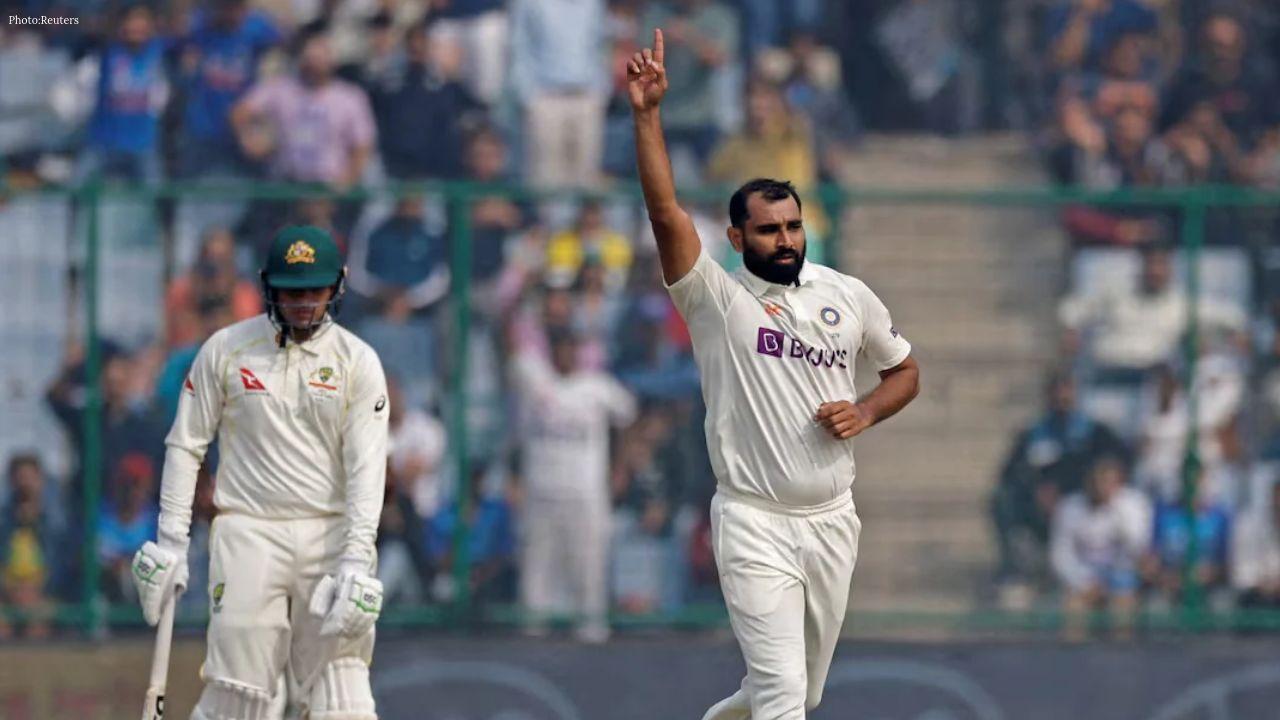
Mohammed Shami Retires From Test Cricket, Eyes White-Ball Career
Mohammed Shami retires from Test cricket after 13 years, with 229 wickets. He will continue playing

Singapore Warns Users About Privacy and Security Risks of AI Agents
Singapore warns users about AI agent security risks, data privacy, online scams and unauthorised acc
Chris Lynn Completes One-Month Ban After Positive Cocaine Test
Australian cricketer Chris Lynn completes a one-month ban after a positive cocaine test during the T

Djokovic Eyes Strong Season Finish as Health Improves Ahead of Paris Masters
Novak Djokovic reports improved health and performance as he targets a strong Paris Masters finish a