
You have not yet added any article to your bookmarks!
Join 10k+ people to get notified about new posts, news and tips.
Do not worry we don't spam!
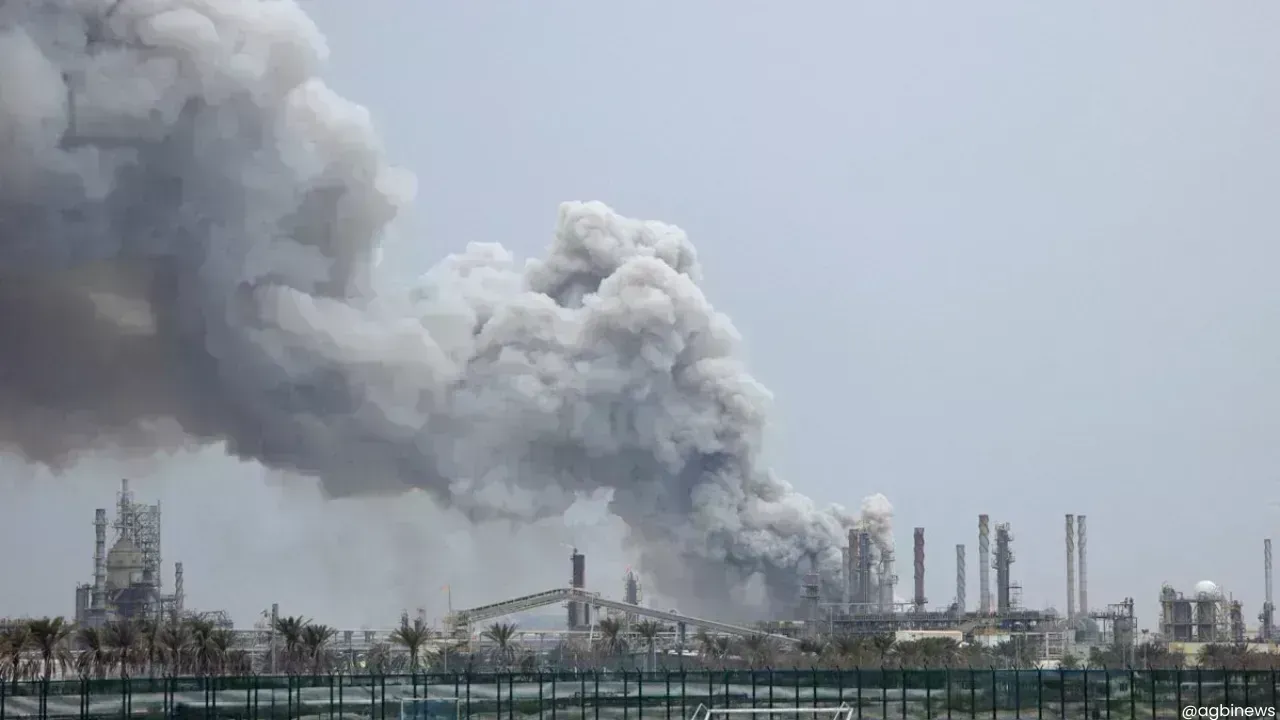
Post by : Abhinav Rana
Photo : X / @agbinews
As Bahrain approaches 2026, the kingdom is grappling with critical financial challenges marked by escalating debt and persistent fiscal deficits. Despite efforts to reform and diversify, the nation holds one of the heaviest debt burdens in the region, with public debt surpassing 130% of GDP. This dilemma transcends domestic borders, positioning Bahrain’s economic stability increasingly reliant on the financial aid from its more affluent Gulf neighbors.
Historically, Bahrain has turned to allies like Saudi Arabia, the UAE, and Kuwait during economic downturns. As fiscal strains escalate, this reliance is becoming more pronounced, reflecting the urgent need for external assistance. A $10 billion aid package from Gulf allies previously helped stabilize the economy, and similar financial support is essential for future stability, although it now comes with conditions that emphasize fiscal discipline and reform.
The primary stressor on Bahrain's finances stems from an imbalance between its revenues and expenditures. The country's economy still largely depends on hydrocarbon earnings, which provide nearly 75% of government revenue, exposing it to the volatility of global oil markets. Meanwhile, fixed government expenditures on wages and subsidies hinder significant reductions in the fiscal shortfall. As structural reforms continue, the anticipated deficits are likely to persist, pushing the nation closer to unsustainable debt levels.
Bahrain's economic outlook is also influenced by regional geopolitical tensions, especially around significant maritime corridors like the Strait of Hormuz. As a trade-dependent economy, any disruption in regional trade can severely affect both revenue and inflation through increased transport costs, amplifying the interconnected vulnerability of Bahrain’s economy to the Gulf region's stability.
Despite advancements in diversification, particularly in sectors like finance, aluminum, and tourism, these efforts have yet to effectively mitigate the risks tied to oil dependence. While non-oil industries now contribute more significantly to GDP, governmental income remains predominantly reliant on hydrocarbon sources, posing challenges to fiscal sustainability. The aspiration to become a regional financial hub has potential; however, the pressing fiscal pressures require urgent and balanced reforms.
Looking to the future, Bahrain's economic trajectory likely hinges on sustained assistance from Gulf nations and successful fiscal reform implementation. Although wealthy neighbors will continue to provide necessary support, this may increasingly come with stricter requirements, pushing Bahrain toward comprehensive economic restructuring. Policymakers face the daunting task of balancing social stability with the need for essential reforms to secure long-term financial health.
Bahrain is at a pivotal junction where its dependence on regional allies must be complemented by improved domestic fiscal management. While Gulf support offers temporary relief, the path ahead necessitates structural changes and enhanced economic resilience. Amid evolving regional dynamics and tightening financial conditions, Bahrain’s adaptability will be crucial in transitioning from reliance to sustainable growth.
#All from GCC #Bahrain News #Oil #Middle East business #Debt










PM Modi Pays Tribute to Mahatma Gandhi, Urges People to Support Khadi
PM Modi pays tribute to Mahatma Gandhi on Gandhi Jayanti and urges citizens to support Khadi and the

Amazon Seeks to Offload $8 Billion in Nvidia Chips to Investors
Amazon plans to move $8 billion in Nvidia chips to investors, using a new financing model to strengt

Samsung Raises Galaxy S26 Prices as Memory Chip Costs Rise
Samsung raises Galaxy S26 prices in South Korea as rising memory chip costs put pressure on smartpho

Lewis Hamilton Calls Singapore Grand Prix One of F1's Toughest Races
Lewis Hamilton discusses the demanding Singapore Grand Prix and brings Plus44 and Almave to Singapor

Denmark's Pandora Opens World's Largest Jewellery Factory in Vietnam
Pandora opens its largest jewellery factory in Vietnam, expanding global production, strengthening s

Gautam Gambhir Questions Batting-Friendly Pitches After India's Record ODI Chase
Gautam Gambhir questions batting-friendly ODI pitches after India’s record chase, calling for a bett

