
You have not yet added any article to your bookmarks!
Join 10k+ people to get notified about new posts, news and tips.
Do not worry we don't spam!
Post by : Shweta
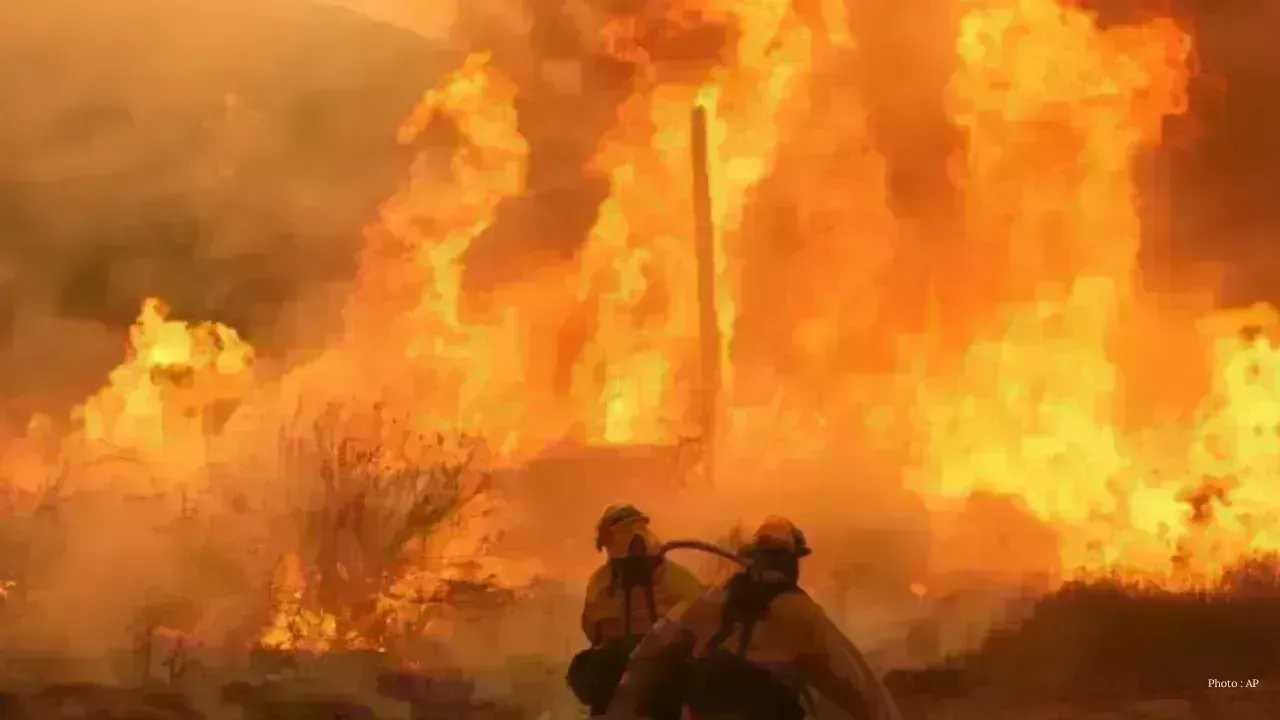
Experts predict that British Columbia may confront one of its worst wildfire seasons in 2026, with warnings of the “highest and most sustained” wildfire risk in recent history. Amid ongoing dry weather, increasing temperatures, and below-average rainfall, authorities express deep concern as the summer peak approaches.
Wildfire specialists report that various regions in British Columbia are exhibiting signs of extreme dryness earlier than expected. Limited moisture in winter and spring has raised the likelihood of rapid fire spread as temperatures rise further. There are fears that the wildfire season could extend longer and impact wider areas if adverse weather persists.
Emergency management authorities have indicated that communities adjacent to forested and rural areas might encounter heightened risks from swiftly advancing wildfires, smoke, and potential evacuation orders. British Columbia has endured several catastrophic wildfire seasons recently, with thousands displaced and vast expanses of land ravaged.
Climate scientists assert that climate change significantly exacerbates wildfire conditions throughout western Canada. Rising temperatures and prolonged dry spells render forests more susceptible to large-scale fires. Additionally, intensified winds and increased lightning activity may further elevate the intensity of the 2026 wildfire season.
The provincial government of B.C. is developing emergency response strategies and enhancing collaboration with firefighters, local agencies, and emergency services. Resources are being meticulously assessed to guarantee prompt responses if substantial fires ignite in the province. Residents are also advised to prepare emergency kits and stay vigilant regarding wildfire notifications throughout summer.
Public safety officials urge residents to refrain from activities that might inadvertently spark fires, particularly during periods of intense heat and dryness. Common triggers for wildfires during high-risk times include campfires, discarded cigarettes, and sparks from equipment. There’s a possibility of expanded fire bans if conditions deteriorate further.
Environmental specialists caution that intense wildfire seasons can leave lasting impacts on air quality, wildlife habitats, tourism, and local economies. Smoke from major fires can travel across provinces, reaching parts of the United States, thereby posing health risks to many, especially vulnerable populations.
The forewarning regarding the wildfire risk in British Columbia for 2026 has garnered national attention, as Canadians remain mindful of the devastating wildfire emergencies that have plagued communities in recent times. Officials stress that early action and preparedness will be critical in mitigating damage and safeguarding lives as the season approaches.
Authorities are set to keep a close watch on weather conditions in the forthcoming months as the province prepares for one of its most challenging wildfire seasons yet.
#world news #Global News #Breaking News #Environment #Canada News #wildlife










PM Modi Pays Tribute to Mahatma Gandhi, Urges People to Support Khadi
PM Modi pays tribute to Mahatma Gandhi on Gandhi Jayanti and urges citizens to support Khadi and the

Amazon Seeks to Offload $8 Billion in Nvidia Chips to Investors
Amazon plans to move $8 billion in Nvidia chips to investors, using a new financing model to strengt

Samsung Raises Galaxy S26 Prices as Memory Chip Costs Rise
Samsung raises Galaxy S26 prices in South Korea as rising memory chip costs put pressure on smartpho

Lewis Hamilton Calls Singapore Grand Prix One of F1's Toughest Races
Lewis Hamilton discusses the demanding Singapore Grand Prix and brings Plus44 and Almave to Singapor

Denmark's Pandora Opens World's Largest Jewellery Factory in Vietnam
Pandora opens its largest jewellery factory in Vietnam, expanding global production, strengthening s

Gautam Gambhir Questions Batting-Friendly Pitches After India's Record ODI Chase
Gautam Gambhir questions batting-friendly ODI pitches after India’s record chase, calling for a bett

