
You have not yet added any article to your bookmarks!
Join 10k+ people to get notified about new posts, news and tips.
Do not worry we don't spam!
Post by : Anis Farhan
Photo: AP
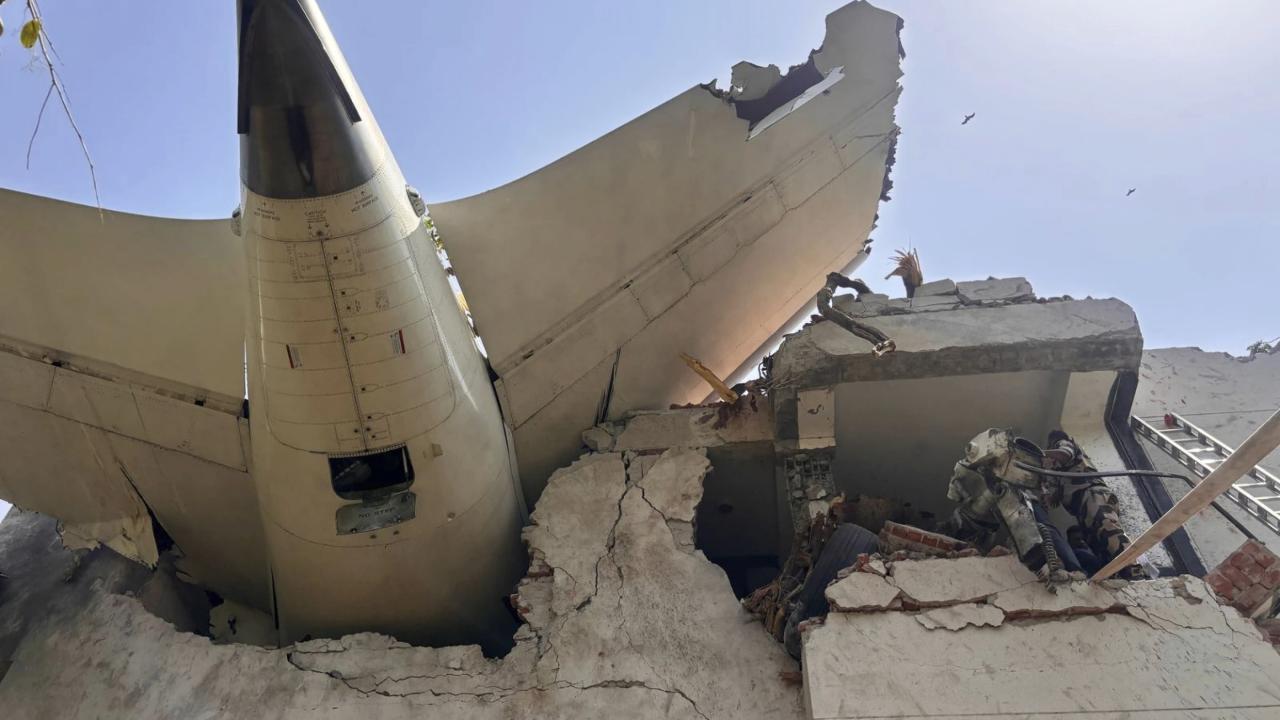
New Delhi — Investigators have made a crucial breakthrough in understanding the fatal crash of Air India Flight AI171 after successfully extracting data from both the flight data recorder (FDR) and cockpit voice recorder (CVR), according to government sources. The twin black boxes, recovered from the crash site near Ahmedabad’s B.J. Medical College hostel, were transported to the Aircraft Accident Investigation Bureau (AAIB) laboratory in New Delhi earlier this week.
The FDR arrived around 2:00 PM on Tuesday, followed by the CVR at 5:15 PM. Despite severe thermal and structural damage, experts completed successful data downloads by Wednesday, recovering vital parameters including altitude, airspeed, engine performance, and flight control activity—along with audio recordings from inside the cockpit.
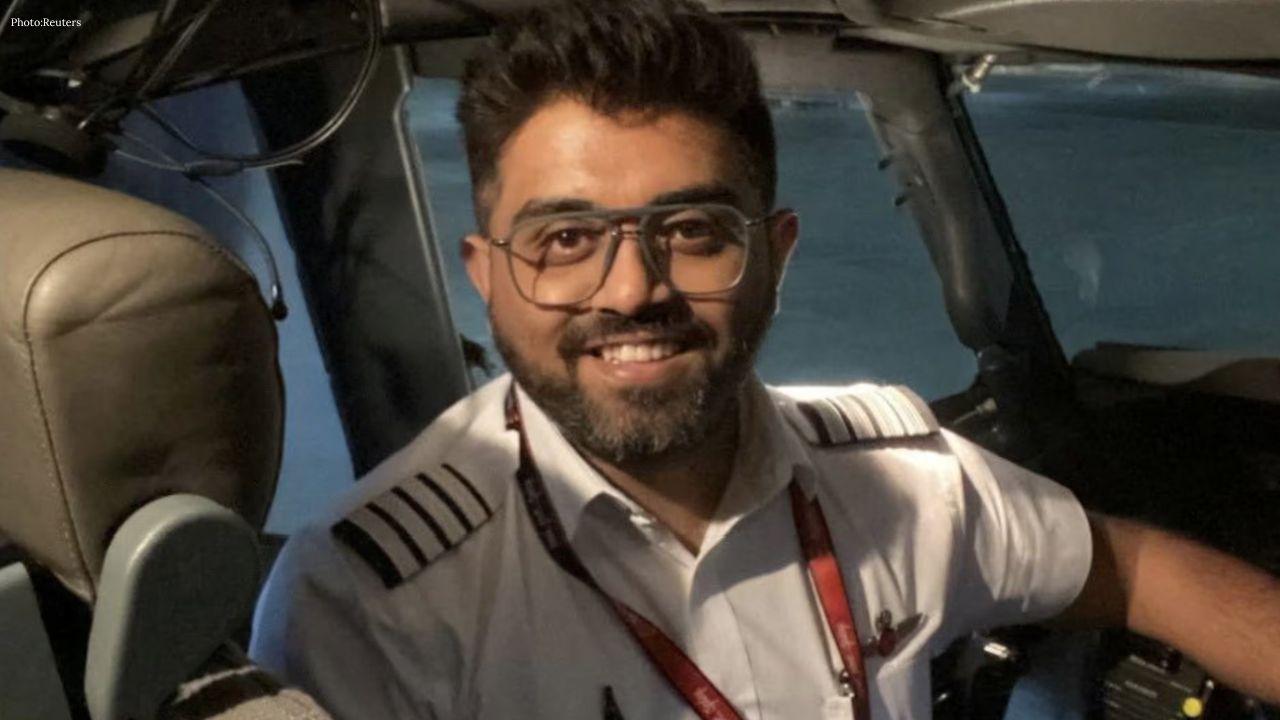
According to sources familiar with the preliminary readout, the cockpit voice recorder captured a chilling “mayday... no power” transmission from Captain Rohit Sabharwal just 36 seconds after the aircraft took off at 1:39 PM. The distress call suggests a sudden dual-engine failure, a catastrophic event rarely seen in commercial aviation.
The data from the FDR will now be used to validate this scenario by examining whether critical systems—such as the Ram Air Turbine (RAT), flap settings, or hydraulics—malfunctioned. Video evidence shared by eyewitnesses earlier this week had hinted at such anomalies, which will now be scrutinized in greater technical detail.
The AAIB has confirmed that it has begun reconstructing the final moments of the ill-fated flight, focusing on engine behavior, pilot inputs, and onboard alert systems. A preliminary report is expected within 30 days, with a full investigation scheduled to conclude within 12 months, in line with international aviation norms.
The successful retrieval of data from India’s own black-box decoding facility in New Delhi marks a milestone. The lab, previously viewed with skepticism over its technical capacity, handled the extraction without needing assistance from foreign agencies. However, officials said cooperation with the U.S. National Transportation Safety Board (NTSB) and aircraft manufacturer Boeing will continue for comparative analysis and equipment validation.
Flight AI171 was a Boeing 787 Dreamliner operating a domestic sector from Ahmedabad to Delhi. Moments after takeoff, the aircraft lost power and nosedived into a densely populated area, killing all 241 passengers and crew onboard and dozens on the ground. The tragedy marks India’s deadliest air disaster in nearly 30 years and is the first fatal incident involving a Boeing 787 globally.
The sole survivor—a British-Indian dual citizen—was seated near the rear of the aircraft and reportedly thrown clear upon impact. Their testimony is expected to play a pivotal role in corroborating cockpit recordings and aiding the timeline reconstruction.
In the aftermath, Air India has grounded its entire fleet of Boeing 787 aircraft pending comprehensive safety inspections. Early assessments flagged discrepancies in engine maintenance logs and software patching timelines, prompting urgent technical reviews.
Civil aviation regulators have ordered checks on engine mounts, electrical harnesses, and power redundancy systems across the 787 fleet in India. Maintenance contractors are also under review for procedural lapses.
A parliamentary committee has announced plans to summon senior executives from both Air India and Boeing for questioning. Lawmakers are expected to probe gaps in oversight, pilot readiness, and manufacturer guidance provided to airlines operating the Dreamliner.
With data in hand, investigators have entered the most decisive phase of the probe—distinguishing whether the crash was caused by pilot error, mechanical failure, environmental factors, or a systemic maintenance lapse.
Experts urge caution before drawing conclusions. “This is a high-fidelity moment,” said a senior AAIB official. “We now have the instruments and voices from the flight. It’s essential we analyze them thoroughly and not speculate.”
India’s aviation sector is now bracing for intensified regulatory scrutiny, not only of aircraft standards but also of crew certification, training protocols, and emergency procedures. As public attention remains sharply focused on the crash, any evidence pointing to preventable failures could reshape policy frameworks for years to come.








PM Modi Pays Tribute to Mahatma Gandhi, Urges People to Support Khadi
PM Modi pays tribute to Mahatma Gandhi on Gandhi Jayanti and urges citizens to support Khadi and the

Amazon Seeks to Offload $8 Billion in Nvidia Chips to Investors
Amazon plans to move $8 billion in Nvidia chips to investors, using a new financing model to strengt

Samsung Raises Galaxy S26 Prices as Memory Chip Costs Rise
Samsung raises Galaxy S26 prices in South Korea as rising memory chip costs put pressure on smartpho

Lewis Hamilton Calls Singapore Grand Prix One of F1's Toughest Races
Lewis Hamilton discusses the demanding Singapore Grand Prix and brings Plus44 and Almave to Singapor

Denmark's Pandora Opens World's Largest Jewellery Factory in Vietnam
Pandora opens its largest jewellery factory in Vietnam, expanding global production, strengthening s

Gautam Gambhir Questions Batting-Friendly Pitches After India's Record ODI Chase
Gautam Gambhir questions batting-friendly ODI pitches after India’s record chase, calling for a bett

