
You have not yet added any article to your bookmarks!
Join 10k+ people to get notified about new posts, news and tips.
Do not worry we don't spam!
Post by : Shweta
Germany and Norway are intensifying their efforts to persuade Canada to participate in a collaborative submarine initiative, which could develop into one of the preeminent conventional submarine fleets globally. This initiative is part of Canada's substantial investment to modernize its aging Victoria-class submarines and enhance military capabilities in the Arctic, North Atlantic, and Pacific. Rather than merely a defence agreement, this is framed as a long-term strategic alliance among NATO partners.
Canada is on the lookout for up to 12 new conventionally powered submarines through the Canadian Patrol Submarine Project, a defence initiative expected to result in expenditures totaling tens of billions of dollars over several years. With increasing pressures to update its fleet, the Royal Canadian Navy is addressing the challenges posed by aging vessels while responding to military activities in Arctic waters and the North Atlantic.
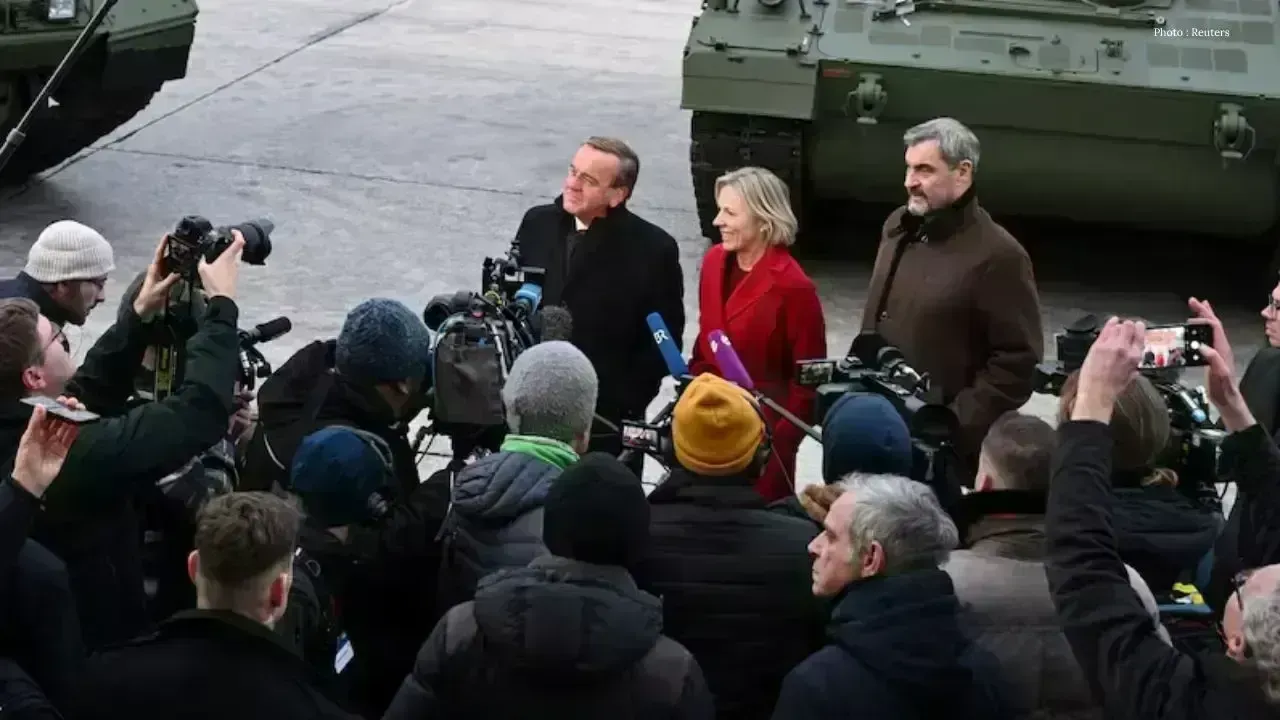
The German-Norwegian proposal features the cutting-edge Type 212CD submarine, crafted specifically for operations in northern maritime environments. German Defence Minister Boris Pistorius has been at the forefront of promoting the initiative, labeling it an opportunity for Canada to integrate into a broader allied submarine network. Should Canada accept the offer, the trio could eventually command a fleet of up to 24 submarines operating on the same platform, thus creating one of the largest conventional submarine fleets worldwide.
Speed forms a crucial aspect of the proposal. Canada expressed its need for several submarines to be delivered prior to its current fleet's retirement in the 2030s. To address this urgency, Germany and Norway have presented a unique proposition: they are willing to forgo submarines planned for their own forces to expedite Canada's delivery in the production schedule. Under this accord, Canada could potentially receive four submarines by 2036, thereby averting any capability void as older models retire.
German representatives assert that the Type 212CD is exceptionally designed for missions in Arctic and North Atlantic settings. This submarine utilizes advanced air-independent propulsion technology, enabling it to remain submerged for extended stretches without surfacing. Defence analysts highlight that this capacity is invaluable in the Arctic, where stealth and endurance are essential for surveillance, intelligence-gathering, and deterrent strategies.
The proposal also encompasses significant economic incentives. Germany and Norway are providing industrial partnerships, maintenance facilities, training initiatives, and long-term investments in Canada's defence sector. Advocates argue that engaging in an established multinational submarine program would lead to lower operational expenses, as maintenance, upgrades, training, and logistical needs could be shared across allied fleets.
Nevertheless, the German-Norwegian consortium is contending with fierce competition from South Korea’s Hanwha Ocean. South Korea is promoting its KSS-III submarine, which is already operational and has been presented to Canadian officials through a notable visit to British Columbia. Hanwha has proposed rapid delivery timelines, industrial investments, and considerable economic leverage if selected.
This competition has emerged as one of Canada's most closely monitored military procurement endeavors. Analysts suggest that the ultimate decision will hinge on more than mere submarine specifications; Ottawa will need to weigh factors such as delivery schedules, industrial advantages, alliance relationships, Arctic strategic priorities, and long-term defence partnerships. Both proposals stand as formidable options, supported by influential international allies.
For Canada, this decision is poised to influence its naval capabilities for generations to come. As the significance of Arctic security amplifies due to climate change, expanding shipping channels, and rising military dynamics within the region, submarines are expected to be pivotal in safeguarding Canadian sovereignty and bolstering NATO operations. The anticipated future fleet will likely operate well into the latter part of the century.
With a conclusion anticipated shortly, Germany and Norway are delineating their shared fleet vision as a strategic collaboration founded on mutual security concerns, Arctic defence, and NATO partnerships. Whether Canada opts for the European-backed Type 212CD or South Korea’s KSS-III, this outcome promises to be a landmark defence decision in contemporary Canadian history.










PM Modi Pays Tribute to Mahatma Gandhi, Urges People to Support Khadi
PM Modi pays tribute to Mahatma Gandhi on Gandhi Jayanti and urges citizens to support Khadi and the

Amazon Seeks to Offload $8 Billion in Nvidia Chips to Investors
Amazon plans to move $8 billion in Nvidia chips to investors, using a new financing model to strengt

Samsung Raises Galaxy S26 Prices as Memory Chip Costs Rise
Samsung raises Galaxy S26 prices in South Korea as rising memory chip costs put pressure on smartpho

Lewis Hamilton Calls Singapore Grand Prix One of F1's Toughest Races
Lewis Hamilton discusses the demanding Singapore Grand Prix and brings Plus44 and Almave to Singapor

Denmark's Pandora Opens World's Largest Jewellery Factory in Vietnam
Pandora opens its largest jewellery factory in Vietnam, expanding global production, strengthening s

Gautam Gambhir Questions Batting-Friendly Pitches After India's Record ODI Chase
Gautam Gambhir questions batting-friendly ODI pitches after India’s record chase, calling for a bett

