
You have not yet added any article to your bookmarks!
Join 10k+ people to get notified about new posts, news and tips.
Do not worry we don't spam!
Post by : Shweta
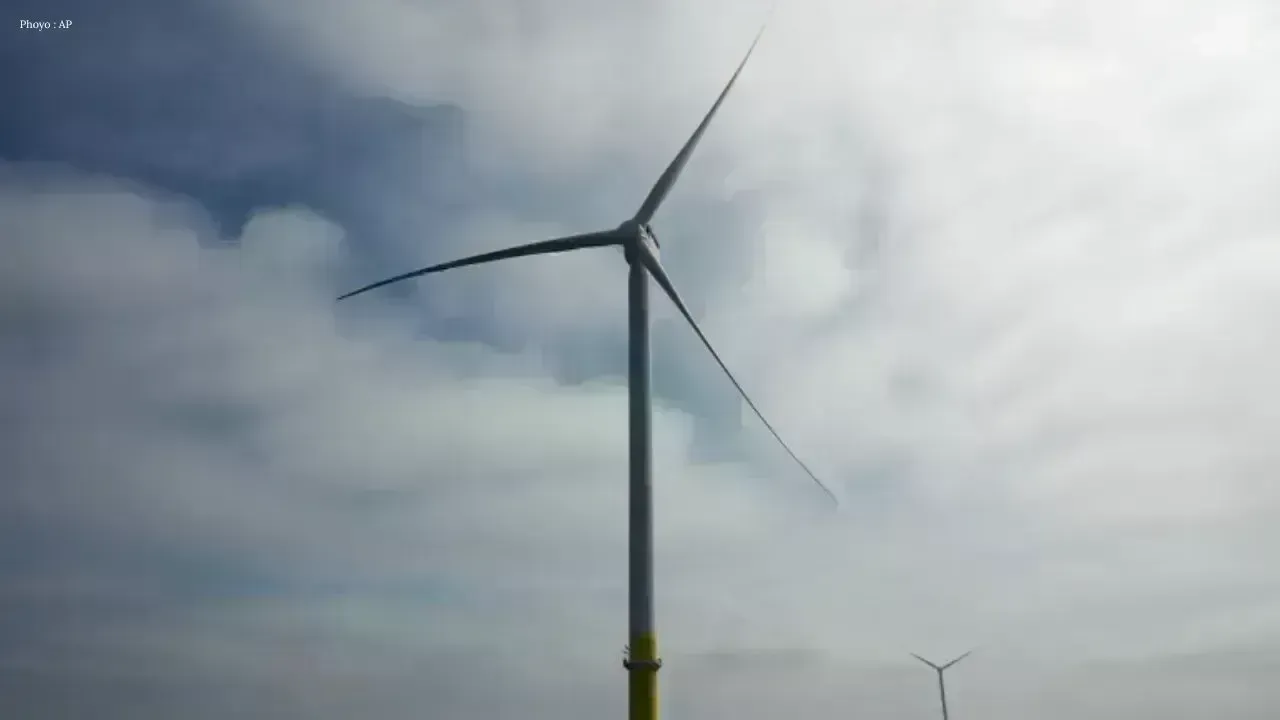
The renewable energy industry is grappling with significant uncertainty following the Trump administration's recent decision to cancel multiple wind energy projects across the United States. Developers, investors, and suppliers are expressing worries that these policy shifts are undermining long-term strategic planning, leading to heightened financial risks within the sector.
This policy change signals a dramatic transformation in U.S. energy strategy, raising doubts about the future of wind energy development. Firms that had heavily invested in projects and infrastructure are now forced to reevaluate their plans while awaiting further clarity from federal authorities.
Industry representatives claim that project cancellations come as a blow to anticipated job creation, investments, and local economic support. The ripples of uncertainty are particularly felt by businesses in construction, manufacturing, and equipment supply, with some expressing that this instability might hinder future investments in renewable energy.
Over the past decade, wind power has become a critical component of the U.S. energy mix. Both onshore and offshore initiatives have seen considerable growth due to government incentives and an increasing demand for cleaner electricity sources. Numerous states have relied on wind projects to fulfill environmental objectives and bolster energy production.
However, the Trump administration's focus has shifted towards traditional energy sources, prompting a reassessment of various renewable initiatives. Officials contend that energy policies should prioritize reliability, affordability, and national interests.
Consequently, numerous wind energy projects are facing delays, cancellations, or additional scrutiny. The resulting regulatory shifts pose challenges for businesses reliant on stable frameworks and long-term investment strategies. Experts note that large-scale energy projects necessitate extensive planning and significant financing, making regulatory certainty vital for investor confidence.
Clean energy companies argue that frequent regulatory changes undermine investor trust and complicate the process of securing funding for future projects. Some developers are rethinking their expansion strategies, while others assess the implications of the recent federal decisions on existing agreements and supply chains.
Proponents of wind energy emphasize its role as a major job creator and economic stimulant for various regions. They also highlight the essential role of renewable energy in curbing carbon emissions and diversifying electricity sources.
Conversely, supporters of the administration's strategy advocate for prioritizing cost-effectiveness and ensuring a reliable energy supply. They argue that reevaluating projects and regulations is crucial for maintaining a balanced energy approach.
The ramifications of these administrative actions extend beyond the developers; communities anticipating economic advantages from wind farms, including job opportunities and local tax revenues, are now facing their own uncertainty. Equipment manufacturers and businesses tied to the renewable energy supply chain are closely watching the situation unfold.
Investors and financial markets are also keenly observing how federal energy policies will shift. Long-term stability remains crucial for attracting investments in large infrastructure projects, as uncertainty may impact future financial commitments and expansions.
Experts predict that the discussion surrounding renewable energy policies will continue to be a pivotal issue in the U.S. As governments and businesses strive to harmonize economic interests, energy security, and environmental goals, the future direction of policies will significantly influence the pace of clean energy advancements.
Upcoming decisions from federal authorities could determine additional impacts on projects and how the industry adapts to evolving regulations. The ensuing months are expected to be scrutinized by stakeholders across North America.
Stay connected with us for the latest updates and developments.










PM Modi Pays Tribute to Mahatma Gandhi, Urges People to Support Khadi
PM Modi pays tribute to Mahatma Gandhi on Gandhi Jayanti and urges citizens to support Khadi and the

Amazon Seeks to Offload $8 Billion in Nvidia Chips to Investors
Amazon plans to move $8 billion in Nvidia chips to investors, using a new financing model to strengt

Samsung Raises Galaxy S26 Prices as Memory Chip Costs Rise
Samsung raises Galaxy S26 prices in South Korea as rising memory chip costs put pressure on smartpho

Lewis Hamilton Calls Singapore Grand Prix One of F1's Toughest Races
Lewis Hamilton discusses the demanding Singapore Grand Prix and brings Plus44 and Almave to Singapor

Denmark's Pandora Opens World's Largest Jewellery Factory in Vietnam
Pandora opens its largest jewellery factory in Vietnam, expanding global production, strengthening s

Gautam Gambhir Questions Batting-Friendly Pitches After India's Record ODI Chase
Gautam Gambhir questions batting-friendly ODI pitches after India’s record chase, calling for a bett

