
You have not yet added any article to your bookmarks!
Join 10k+ people to get notified about new posts, news and tips.
Do not worry we don't spam!
Post by : Shweta
China has firmly rejected the recent U.S. sanctions placed on certain Chinese oil refineries accused of acquiring Iranian crude. The Chinese government has labeled these restrictions as unjust, highlighting that they breach international law and disrupt legitimate trade between Chinese firms and their global partners.
The escalation started as the U.S. ramped up pressure on Iran’s oil sector as part of its broader sanctions agenda against the country. Washington has pointed fingers at various Chinese entities and independent refiners for allegedly aiding Iran in circumventing international restrictions, claiming that these oil transactions provide essential funds to Tehran amid increasing Middle Eastern tensions.
In response, China’s Commerce Ministry made it clear that the nation would neither acknowledge nor adhere to the imposed U.S. sanctions. The ministry's official statement asserted that these measures “shall not be recognized, implemented, or complied with,” as they hinder legitimate business practices and disrupt international trading relations. Beijing has also declared that unilateral sanctions lacking United Nations endorsement are unacceptable.
The sanctions primarily focus on five Chinese refineries associated with Iranian oil imports, including Hengli Petrochemical in Dalian and various independent “teapot” refineries mainly in Shandong province. The designation “teapot refinery” refers to smaller, privately-owned Chinese oil processing companies that frequently procure discounted crude oil from sanctioned nations, including Iran and Russia.
U.S. authorities have claimed that some of these companies brought in millions of barrels of Iranian crude oil via intricate shipping and trading networks. They allege that several firms employed concealed supply chains, ship-to-ship transfers, and deceptive shipping documentation to obscure the oil's origins. The U.S. Treasury Department noted that these actions enable Iran to continue generating substantial revenue from oil amid stiff international sanctions.
Despite the sanctions, China stands by its trade connection with Iran, arguing that regular energy collaboration should remain free from political interference. Chinese officials have cautioned that these sanctions could adversely affect global supply chains and increase volatility in international energy markets, pledging to take appropriate measures to safeguard the interests of impacted Chinese businesses.
This issue compounds already strained relations between Washington and Beijing, which have faced disagreements over various matters in recent years, including trade practices, tech regulations, Taiwan dynamics, and geopolitical influence in Asia and the Middle East. Analysts suggest that this latest clash over sanctions could further complicate diplomatic discussions between the two nations.
Experts indicate that China remains one of the largest purchasers of Iranian oil due to lower prices, making Iranian crude a vital source for many independent Chinese refineries, particularly during times of reduced domestic demand and diminishing refining margins.
Recent reports also hint that shipments of Iranian oil to China persist despite tighter U.S. sanctions, becoming increasingly clandestine, with some loads reportedly being misclassified as oil from other nations upon entering Chinese ports.
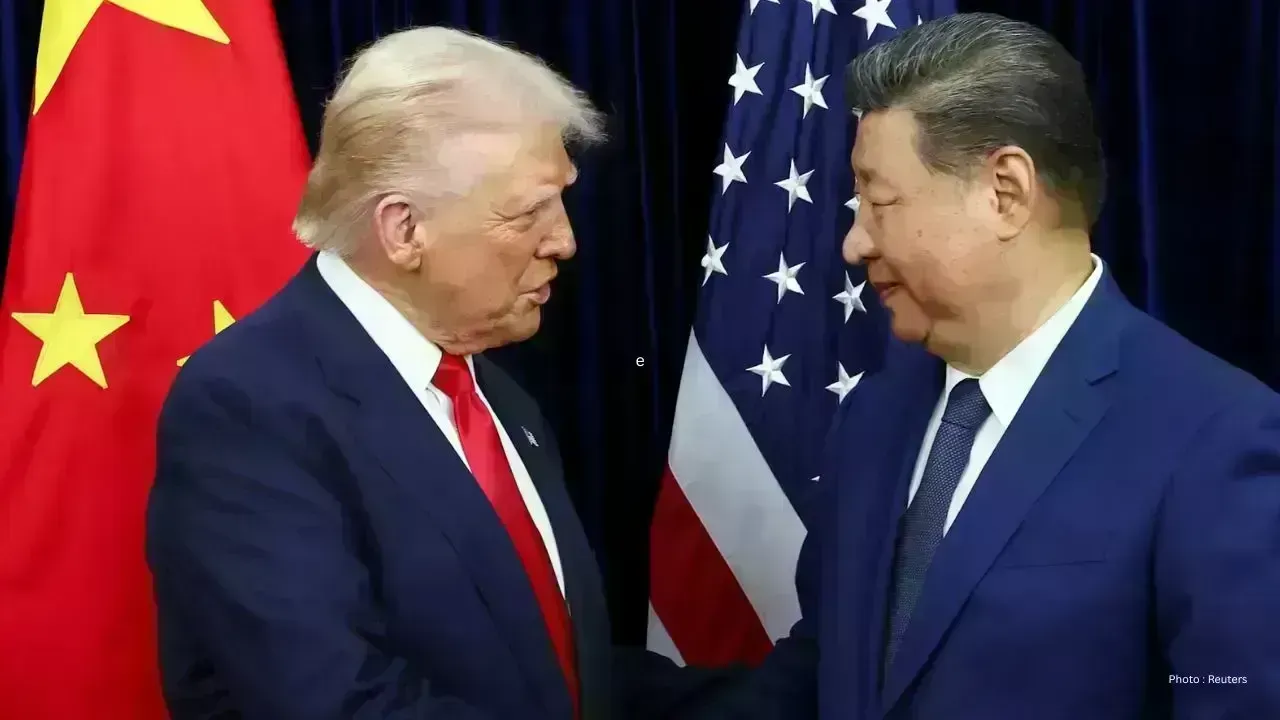
This latest round of disagreements emerges at a crucial juncture for international diplomacy, as U.S. President Donald Trump is slated to engage in discussions with Chinese President Xi Jinping later this month. Observers anticipate that the sanctions predicament and energy trade issues may be incorporated into broader dialogue between these two global powers.










PM Modi Pays Tribute to Mahatma Gandhi, Urges People to Support Khadi
PM Modi pays tribute to Mahatma Gandhi on Gandhi Jayanti and urges citizens to support Khadi and the

Amazon Seeks to Offload $8 Billion in Nvidia Chips to Investors
Amazon plans to move $8 billion in Nvidia chips to investors, using a new financing model to strengt

Samsung Raises Galaxy S26 Prices as Memory Chip Costs Rise
Samsung raises Galaxy S26 prices in South Korea as rising memory chip costs put pressure on smartpho

Lewis Hamilton Calls Singapore Grand Prix One of F1's Toughest Races
Lewis Hamilton discusses the demanding Singapore Grand Prix and brings Plus44 and Almave to Singapor

Denmark's Pandora Opens World's Largest Jewellery Factory in Vietnam
Pandora opens its largest jewellery factory in Vietnam, expanding global production, strengthening s

Gautam Gambhir Questions Batting-Friendly Pitches After India's Record ODI Chase
Gautam Gambhir questions batting-friendly ODI pitches after India’s record chase, calling for a bett

