
You have not yet added any article to your bookmarks!
Join 10k+ people to get notified about new posts, news and tips.
Do not worry we don't spam!
Post by : Shweta
In a crucial diplomatic gathering, China and Iran held discussions in Beijing against a backdrop of escalating global tension surrounding the Strait of Hormuz blockade, which has significantly impacted international shipping and raised alarms regarding energy security and economic well-being. Iranian Foreign Minister Abbas Araghchi met with Chinese Foreign Minister Wang Yi, set against a backdrop of heightened U.S.-Iranian animosity. The dialogue comes just prior to U.S. President Donald Trump’s expected visit to Beijing, during which the Hormuz crisis is anticipated to take center stage.
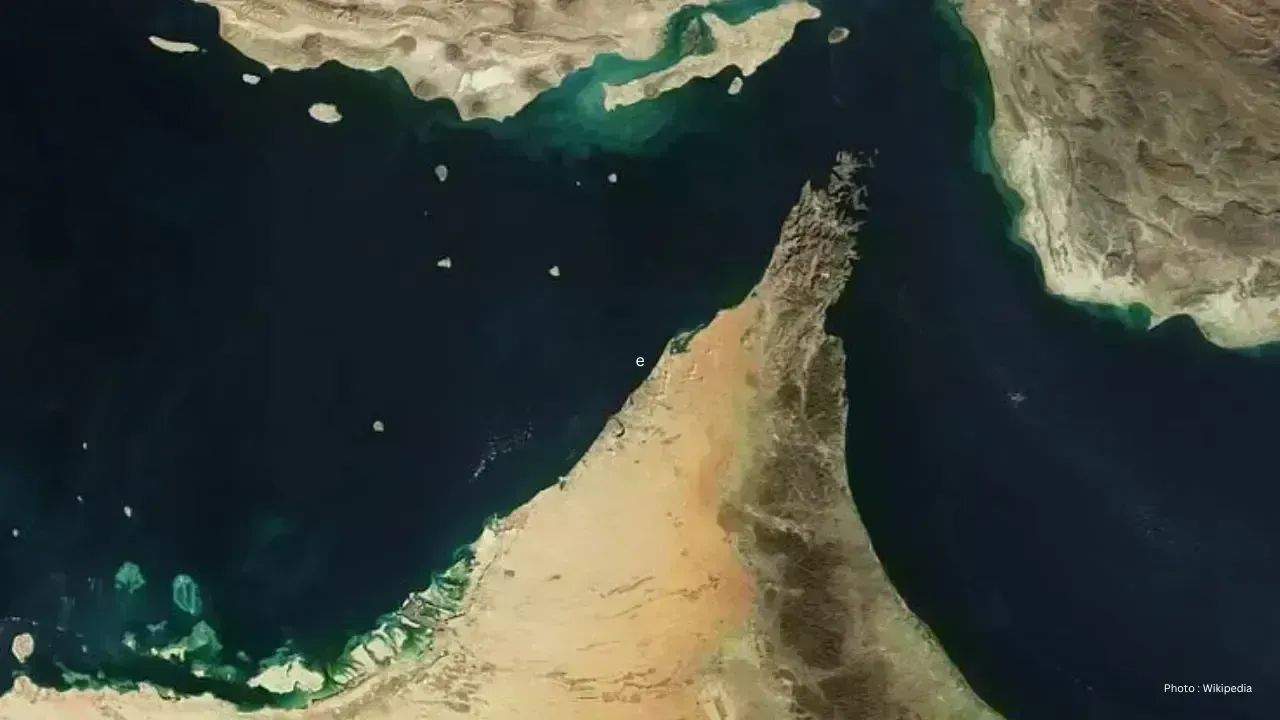
The core of the discussions centered around the Strait of Hormuz, a vital conduit for oil transport where approximately one-fifth of the global oil and gas supply traverses. Iran's actions have led to significant restrictions on navigation in the strait following rising tensions with the U.S. and Israel earlier this year, giving rise to worries about soaring fuel prices, delays in shipping, and economic strains on numerous nations.
According to reports from Chinese state media, the two nations engaged in dialogue aimed at alleviating tensions and securing maritime trade routes. As one of Iran’s key allies and a significant consumer of Iranian crude oil, China has a substantial interest in ensuring the safe transit of energy supplies through this region. Beijing has expressed concerns that extended instability in the Strait of Hormuz could adversely affect the global economy and exacerbate pressure on international markets.
Meanwhile, the U.S. has ramped up efforts to compel Iran to re-open the waterway. U.S. Secretary of State Marco Rubio has urged China to leverage its relationship with Tehran, advocating for Iranian leaders to cease restrictions in the strait. Rubio remarked that Iran's actions were fostering international isolation and harming nations reliant on energy imports—China included.
In tandem, President Trump indicated a temporary halt to the U.S.-led initiative known as “Project Freedom,” aimed at guiding commercial vessels safely through the Strait of Hormuz. This pause is intended to foster a diplomatic environment conducive to peace negotiations with Iran, although U.S. officials assert that other blockade measures against Iranian ports will persist during the discussions.
China has sought to navigate its support for Iran while advocating for reduced tensions in the region. Beijing has criticized the U.S.’ naval interdiction of Iranian ports while also subtly urging Tehran to refrain from additional provocations. Analysts suggest that China is working to safeguard its long-term economic interests by averting an expansive regional conflict that could jeopardize energy supplies and transportation routes vital to Asia.
Furthermore, there are indications that China has engaged in extensive diplomatic outreach with Pakistan and other regional powers to diminish tensions between Washington and Tehran. Earlier proposals from these nations envisioned peace talks, ceasefire arrangements, and the resumption of unobstructed navigation through the Strait of Hormuz. Observers note that China’s increasing diplomatic role underscores its burgeoning influence in Middle Eastern affairs.
Despite ongoing diplomatic undertakings, the Gulf region remains in a precarious state. Numerous commercial vessels are experiencing delays due to security issues, while oil markets continue to react sensitively to developments regarding the blockade. Experts caution that any further deterioration could impact global fuel prices and amplify pressures on economies grappling with inflation and trade volatility.
The talks in Beijing between China and Iran mark a notable diplomatic initiative as global powers strive for a peaceful resolution to the Hormuz predicament. With President Trump poised to meet Chinese President Xi Jinping next week, international observers are keenly monitoring whether these diplomatic efforts can effectively ease tensions and facilitate the reopening of this critical maritime trading route.










PM Modi Pays Tribute to Mahatma Gandhi, Urges People to Support Khadi
PM Modi pays tribute to Mahatma Gandhi on Gandhi Jayanti and urges citizens to support Khadi and the

Amazon Seeks to Offload $8 Billion in Nvidia Chips to Investors
Amazon plans to move $8 billion in Nvidia chips to investors, using a new financing model to strengt

Samsung Raises Galaxy S26 Prices as Memory Chip Costs Rise
Samsung raises Galaxy S26 prices in South Korea as rising memory chip costs put pressure on smartpho

Lewis Hamilton Calls Singapore Grand Prix One of F1's Toughest Races
Lewis Hamilton discusses the demanding Singapore Grand Prix and brings Plus44 and Almave to Singapor

Denmark's Pandora Opens World's Largest Jewellery Factory in Vietnam
Pandora opens its largest jewellery factory in Vietnam, expanding global production, strengthening s

Gautam Gambhir Questions Batting-Friendly Pitches After India's Record ODI Chase
Gautam Gambhir questions batting-friendly ODI pitches after India’s record chase, calling for a bett

