
You have not yet added any article to your bookmarks!
Join 10k+ people to get notified about new posts, news and tips.
Do not worry we don't spam!
Post by : Shakul
China has stepped up its maritime presence near Taiwan after Japan and the Philippines announced plans to begin formal negotiations on maritime boundary delimitation in waters east of the island. The move has added fresh tension to an already sensitive region where overlapping territorial and maritime claims continue to fuel geopolitical disputes.
On Monday, China's Coast Guard confirmed that it had carried out what it described as law enforcement patrols in waters east of Taiwan. Beijing said the operation was a direct response to the planned maritime talks between Tokyo and Manila, arguing that the discussions involve areas over which China claims sovereign rights and interests.
The announcement follows a joint statement by Japan and the Philippines last week in which both countries agreed to launch negotiations aimed at defining maritime boundaries related to their Exclusive Economic Zones and continental shelves. Chinese officials strongly objected to the plan, calling the proposed talks illegal and invalid because they involve waters that Beijing considers part of its territorial claims.
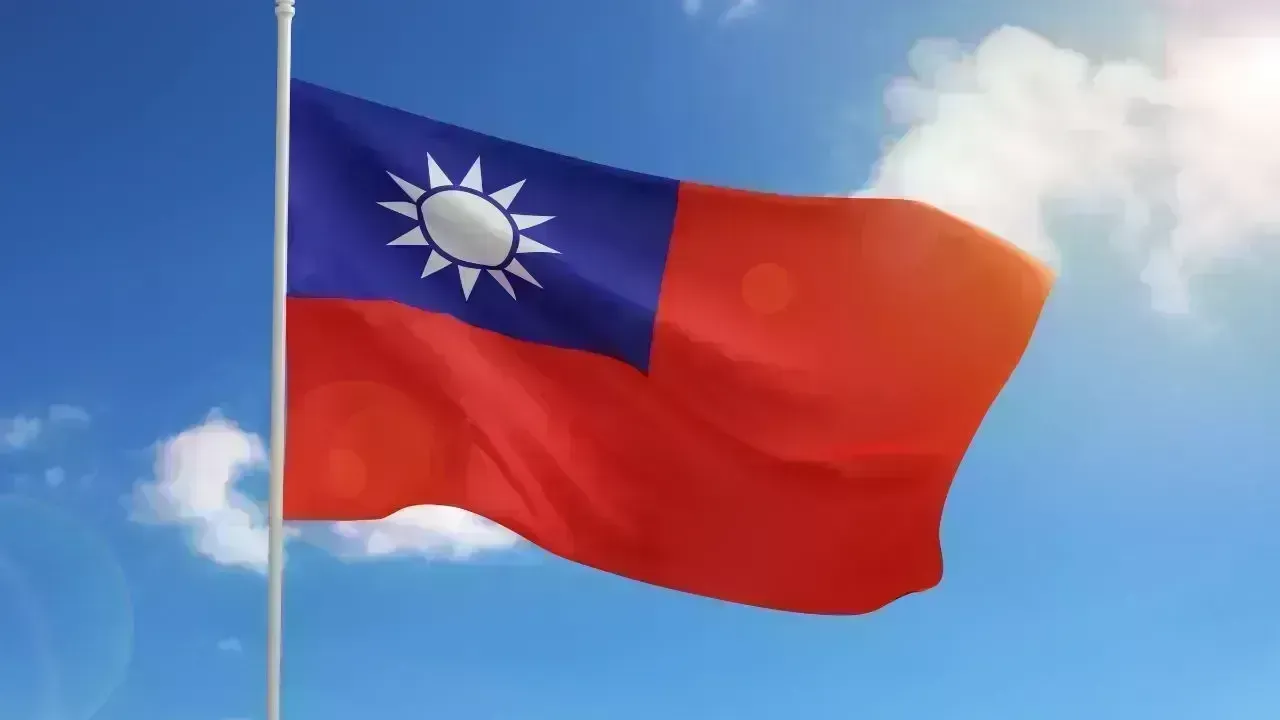
Taiwan swiftly condemned China's actions and rejected Beijing's assertion that it has authority over the waters surrounding the island. Taiwan's Coast Guard reported that it monitored only two Chinese vessels operating southeast of Orchid Island and stated that the ships did not enter restricted Taiwanese waters. Authorities in Taipei emphasized that Taiwan would continue to defend its sovereignty and maritime security.
The dispute reflects the broader struggle over control of strategic waters in the region. China claims Taiwan as part of its territory and also asserts sovereignty over vast portions of the South China Sea through its controversial nine-dash line claim. Those claims overlap with maritime zones claimed by several countries, including the Philippines, Vietnam, Malaysia, Brunei, and Indonesia.
Japan also responded to the controversy, stating that any maritime agreement reached with the Philippines would not be legally binding on third parties. Japanese officials maintained that the negotiations are fully consistent with international law and should not be viewed as a challenge to any country's sovereignty claims.
Security analysts say the latest developments highlight increasing competition in the Indo-Pacific region, where maritime boundaries, freedom of navigation, and strategic sea lanes remain key issues. The waters east of Taiwan are particularly important because they connect major shipping routes and hold significant economic and security value for regional nations.
As diplomatic tensions continue, regional governments are expected to closely monitor maritime activities in the area. While no direct confrontation has occurred, the competing claims and military presence underscore the fragile security environment surrounding Taiwan and the wider Asia-Pacific region.










PM Modi Pays Tribute to Mahatma Gandhi, Urges People to Support Khadi
PM Modi pays tribute to Mahatma Gandhi on Gandhi Jayanti and urges citizens to support Khadi and the

Amazon Seeks to Offload $8 Billion in Nvidia Chips to Investors
Amazon plans to move $8 billion in Nvidia chips to investors, using a new financing model to strengt

Samsung Raises Galaxy S26 Prices as Memory Chip Costs Rise
Samsung raises Galaxy S26 prices in South Korea as rising memory chip costs put pressure on smartpho

Lewis Hamilton Calls Singapore Grand Prix One of F1's Toughest Races
Lewis Hamilton discusses the demanding Singapore Grand Prix and brings Plus44 and Almave to Singapor

Denmark's Pandora Opens World's Largest Jewellery Factory in Vietnam
Pandora opens its largest jewellery factory in Vietnam, expanding global production, strengthening s

Gautam Gambhir Questions Batting-Friendly Pitches After India's Record ODI Chase
Gautam Gambhir questions batting-friendly ODI pitches after India’s record chase, calling for a bett

